
What is Network Policy Enforcement
Introduction
When you think about keeping your network safe, you might wonder how organizations control who can access what. That’s where network policy enforcement comes in. It’s a way to make sure that only the right users and devices get access to the right parts of a network.
In this article, I’ll explain what network policy enforcement means, how it works, and why it’s so important for businesses and individuals. You’ll also learn about the tools and methods used to enforce these policies effectively.
What is Network Policy Enforcement?
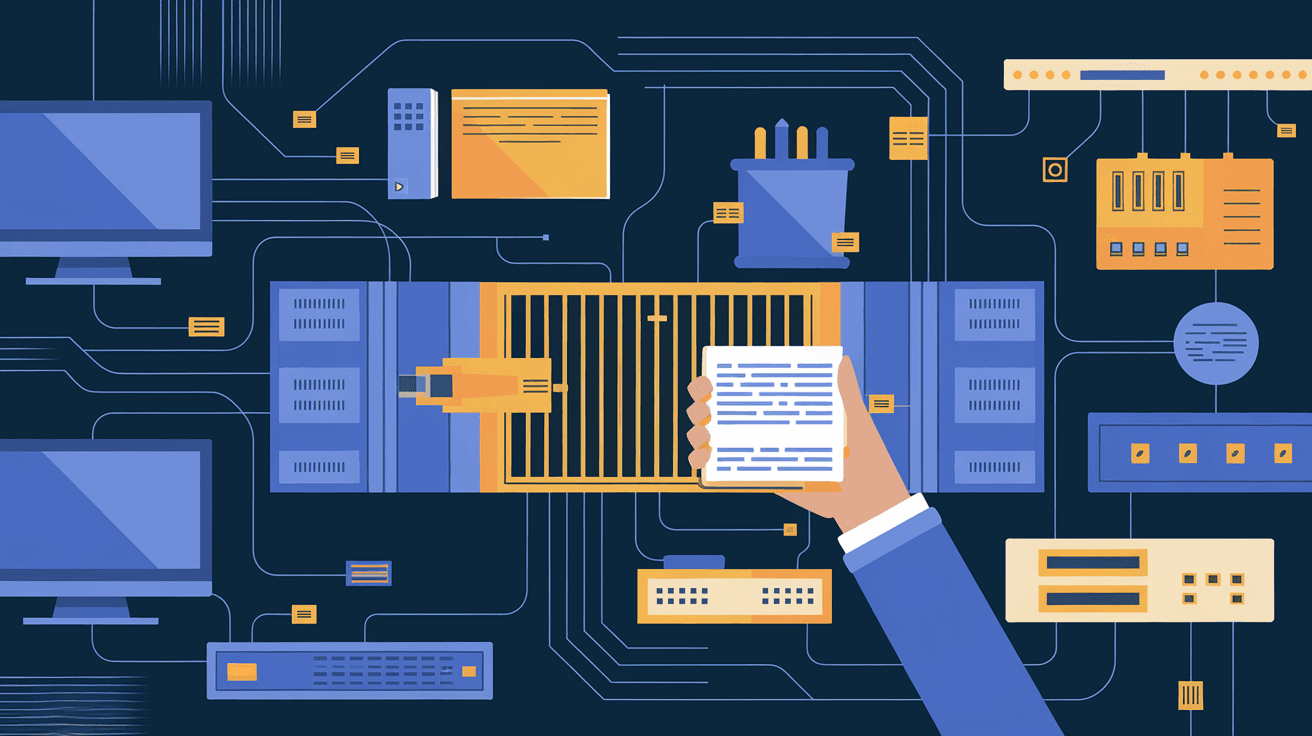
Network policy enforcement is the process of applying rules that control access to network resources. These rules determine who can connect, what they can do, and which parts of the network they can reach. The goal is to protect sensitive data and prevent unauthorized access.
Think of it like a security guard at a building entrance. The guard checks if you have permission before letting you in. Similarly, network policy enforcement checks devices and users before granting access.
Key Components of Network Policy Enforcement
- Authentication: Verifying the identity of users or devices.
- Authorization: Deciding what resources the user or device can access.
- Access Control: Enforcing the rules that allow or deny access.
- Monitoring: Keeping track of network activity to detect policy violations.
Why is Network Policy Enforcement Important?
Without network policy enforcement, anyone could access sensitive parts of a network, leading to data breaches or cyberattacks. It helps organizations:
- Protect confidential information.
- Comply with legal and industry regulations.
- Prevent malware and unauthorized devices from entering the network.
- Manage network traffic efficiently.
For example, a hospital uses network policy enforcement to ensure only doctors and nurses can access patient records, while visitors can only use guest Wi-Fi.
How Does Network Policy Enforcement Work?
Network policy enforcement works by combining several technologies and processes. Here’s a simple breakdown:
1. Defining Policies
Organizations create rules based on their security needs. These policies specify who can access what, when, and how. For example:
- Employees can access internal servers during work hours.
- Guests can only use the internet but not internal resources.
- Devices must have updated antivirus software to connect.
2. Identifying Users and Devices
Before enforcing policies, the system must identify who or what is trying to connect. This is done through:
- Usernames and passwords.
- Digital certificates.
- Device fingerprints.
- Multi-factor authentication (MFA).
3. Enforcing Access Controls
Once identified, the system checks the policies and decides whether to allow or block access. This happens through:
- Firewalls that filter traffic.
- Network Access Control (NAC) systems that check device compliance.
- Software-defined networking (SDN) that dynamically adjusts access.
4. Monitoring and Logging
Even after access is granted, network policy enforcement continues to monitor activity. It logs events and alerts administrators if suspicious behavior occurs.
Types of Network Policy Enforcement
There are different ways to enforce network policies depending on the network setup and security needs.
Network Access Control (NAC)
NAC solutions verify devices before they connect. They check if devices meet security standards like updated software or proper configuration. If a device fails, NAC can block or limit its access.
Firewall Policy Enforcement
Firewalls enforce policies by filtering incoming and outgoing traffic based on rules. They can block unauthorized IP addresses or restrict access to certain applications.
Software-Defined Networking (SDN)
SDN allows centralized control of network traffic. Policies can be applied dynamically, adjusting access based on real-time conditions.
Cloud-Based Policy Enforcement
With more networks moving to the cloud, cloud-based enforcement applies policies across distributed environments. It ensures consistent security whether users are in the office or remote.
Benefits of Network Policy Enforcement
Implementing network policy enforcement brings many advantages:
- Improved Security: Reduces risk of breaches by controlling access tightly.
- Regulatory Compliance: Helps meet standards like GDPR, HIPAA, or PCI-DSS.
- Better Network Performance: Limits unnecessary traffic and reduces congestion.
- Simplified Management: Centralized control makes it easier to update policies.
- Enhanced User Experience: Ensures users have access to what they need without delays.
Challenges in Network Policy Enforcement
While network policy enforcement is powerful, it comes with challenges:
- Complexity: Managing policies for many users and devices can be complicated.
- User Resistance: Strict policies might frustrate users if they feel restricted.
- Keeping Up with Changes: Networks evolve, so policies must be updated regularly.
- Integration Issues: Combining different enforcement tools can be difficult.
Organizations need to balance security with usability and keep policies flexible.
Best Practices for Effective Network Policy Enforcement
To get the most out of network policy enforcement, consider these tips:
- Start with Clear Policies: Define simple, understandable rules.
- Use Multi-Factor Authentication: Add extra layers of identity verification.
- Segment Your Network: Divide the network into zones to limit access.
- Regularly Update Policies: Review and adjust rules as needed.
- Monitor Continuously: Use tools to detect and respond to threats quickly.
- Educate Users: Train employees on security policies and why they matter.
Tools and Technologies for Network Policy Enforcement
Several tools help enforce network policies effectively:
| Tool Type | Description | Example Products |
| Network Access Control | Checks device compliance before access | Cisco ISE, Aruba ClearPass |
| Firewalls | Filters traffic based on rules | Palo Alto Networks, Fortinet |
| Software-Defined Networking | Centralizes control of network traffic | VMware NSX, Cisco ACI |
| Cloud Security Platforms | Enforces policies across cloud environments | Zscaler, Microsoft Defender |
| Identity and Access Management (IAM) | Manages user identities and permissions | Okta, Azure AD |
Using a combination of these tools can strengthen your network’s security posture.
Real-World Examples of Network Policy Enforcement
Many industries rely on network policy enforcement to protect their data:
- Healthcare: Hospitals enforce strict access to patient data, ensuring only authorized staff can view records.
- Finance: Banks use policy enforcement to prevent unauthorized transactions and secure customer information.
- Education: Schools limit student access to certain websites while allowing teachers full network access.
- Retail: Stores protect payment systems by isolating them from guest Wi-Fi networks.
These examples show how network policy enforcement adapts to different needs.
Future Trends in Network Policy Enforcement
As technology evolves, network policy enforcement is becoming smarter and more automated:
- AI and Machine Learning: These help detect unusual behavior and adjust policies in real-time.
- Zero Trust Security: Assumes no user or device is trusted by default, enforcing strict verification.
- Integration with IoT: Policies will increasingly cover Internet of Things devices, which often have weaker security.
- Cloud-Native Enforcement: More policies will be managed directly in cloud environments for flexibility.
Staying updated with these trends will help you keep your network secure.
Conclusion
Network policy enforcement is a vital part of modern cybersecurity. It controls who can access your network and what they can do, protecting sensitive data from threats. By understanding how it works and using the right tools, you can create a safer network environment.
Whether you manage a small business or a large enterprise, enforcing network policies helps you stay compliant, improve security, and keep your network running smoothly. Remember to keep your policies clear, monitor activity, and adapt to new challenges as they arise.
FAQs
What is the main goal of network policy enforcement?
The main goal is to control access to network resources, ensuring only authorized users and devices can connect and perform allowed actions.
How does Network Access Control (NAC) help in policy enforcement?
NAC verifies device compliance with security standards before granting network access, blocking or limiting devices that don’t meet requirements.
Can network policy enforcement improve network performance?
Yes, by limiting unnecessary traffic and controlling access, it reduces congestion and improves overall network efficiency.
What role does multi-factor authentication play in network policy enforcement?
MFA adds an extra layer of identity verification, making it harder for unauthorized users to gain access.
How is network policy enforcement evolving with cloud computing?
It’s becoming more cloud-native, allowing consistent policy application across distributed environments and remote users.




