
What is Network Intrusion Detection
Introduction
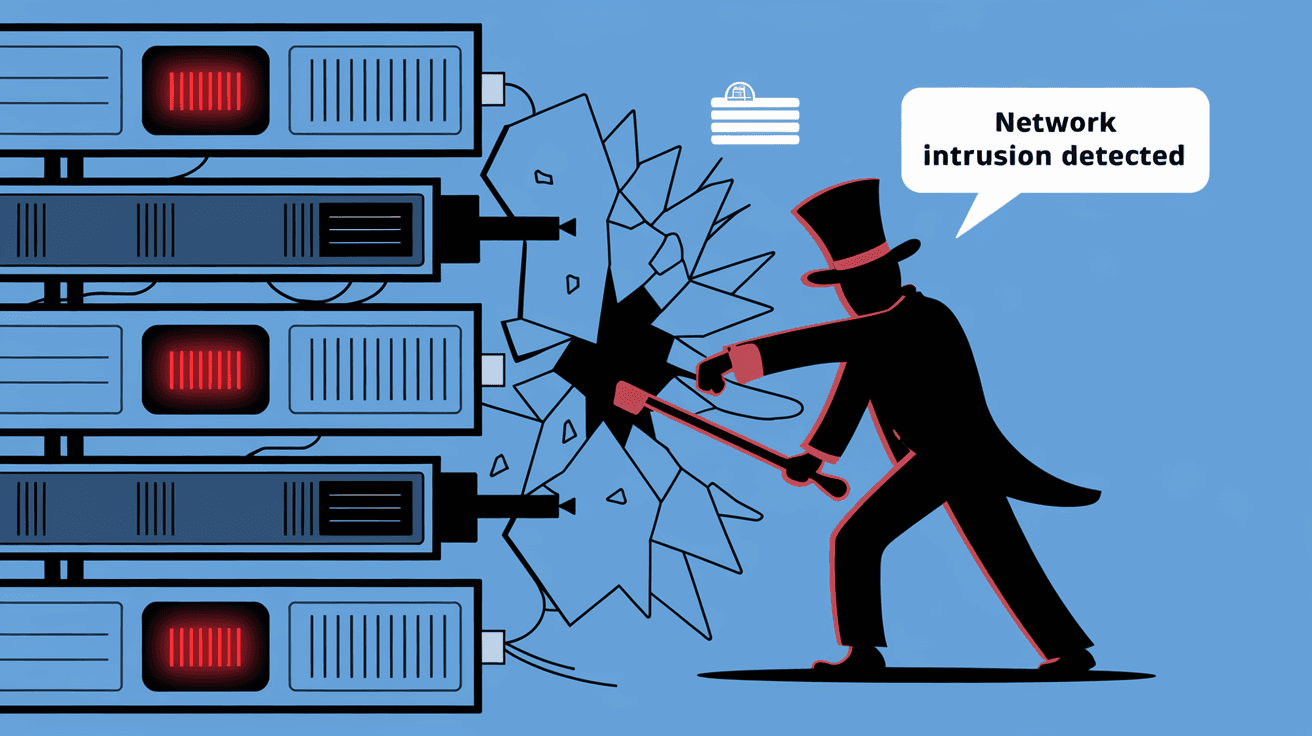
You might wonder how organizations keep their networks safe from hackers and cyber threats. Network intrusion detection is a key part of that defense. It helps spot suspicious activities and alerts you before serious damage happens.
In this article, I’ll explain what network intrusion detection is, how it works, and why it’s important for your security. Whether you’re a business owner or just curious, understanding this can help you protect your digital world better.
What Is Network Intrusion Detection?
Network intrusion detection is a security process that monitors network traffic for signs of malicious activity or policy violations. It acts like a security guard watching the flow of data, looking for anything unusual or harmful.
Unlike firewalls that block traffic, intrusion detection systems (IDS) focus on identifying threats. They analyze data packets moving through the network and alert administrators if they detect suspicious behavior.
Key Functions of Network Intrusion Detection
- Monitoring: Constantly scans network traffic in real-time.
- Detection: Identifies known attack patterns or unusual behavior.
- Alerting: Sends notifications to security teams about potential threats.
- Logging: Records details of detected events for analysis.
This system helps organizations respond quickly to threats, reducing the risk of data breaches or system damage.
How Does Network Intrusion Detection Work?
Network intrusion detection systems use various methods to analyze network traffic. The two main approaches are signature-based detection and anomaly-based detection.
Signature-Based Detection
This method compares network data against a database of known attack signatures. Think of it like a virus scanner that looks for specific patterns.
- Pros: Accurate for known threats, low false positives.
- Cons: Cannot detect new or unknown attacks.
Anomaly-Based Detection
This approach establishes a baseline of normal network behavior. It then flags any activity that deviates from this baseline.
- Pros: Can detect new or unknown threats.
- Cons: Higher false positive rates, requires tuning.
Hybrid Detection
Many modern systems combine both methods to improve accuracy and coverage.
How Data Is Analyzed
- Packet Inspection: Examines individual data packets for suspicious content.
- Protocol Analysis: Checks if network protocols are used correctly.
- Behavioral Analysis: Monitors patterns over time to spot unusual activity.
By using these techniques, network intrusion detection systems can spot threats early and help prevent attacks.
Types of Network Intrusion Detection Systems
There are different types of IDS based on where they are deployed and how they operate.
Network-Based Intrusion Detection System (NIDS)
NIDS monitors traffic on entire networks or segments. It’s usually placed at key points like gateways or routers.
- Advantages: Covers large areas, detects attacks from outside.
- Limitations: May miss attacks inside encrypted traffic.
Host-Based Intrusion Detection System (HIDS)
HIDS runs on individual devices or servers. It monitors system logs, file changes, and local activity.
- Advantages: Detects insider threats, monitors encrypted data.
- Limitations: Limited to the host it’s installed on.
Inline Intrusion Prevention Systems (IPS)
While IDS only detect and alert, IPS can actively block malicious traffic. IPS is often integrated with IDS for a combined defense.
- Advantages: Stops attacks in real-time.
- Limitations: Risk of false positives blocking legitimate traffic.
Why Is Network Intrusion Detection Important?
Network intrusion detection plays a vital role in cybersecurity for several reasons.
Early Threat Detection
It helps identify attacks before they cause damage. Early alerts give security teams time to respond and contain threats.
Compliance Requirements
Many industries require intrusion detection to meet regulations like GDPR, HIPAA, or PCI-DSS. It helps organizations avoid fines and legal issues.
Protecting Sensitive Data
By spotting intrusions, IDS protects personal and business data from theft or corruption.
Enhancing Overall Security
IDS works alongside firewalls, antivirus, and other tools to create a layered defense strategy.
Real-World Examples
- Detecting malware spreading through network traffic.
- Identifying unauthorized access attempts.
- Spotting unusual data transfers that indicate data exfiltration.
Challenges in Network Intrusion Detection
While IDS is powerful, it faces some challenges.
False Positives and Negatives
False positives occur when normal activity is flagged as malicious, causing alert fatigue. False negatives happen when real threats go undetected.
Encrypted Traffic
With more data encrypted, IDS may struggle to inspect traffic without decryption, which can be complex and raise privacy concerns.
High Volume of Data
Large networks generate massive traffic, making real-time analysis demanding on resources.
Evolving Threats
Attackers constantly change tactics, requiring IDS to update signatures and detection methods regularly.
Best Practices for Using Network Intrusion Detection
To get the most out of your IDS, consider these tips:
- Regularly Update Signatures: Keep your system’s database current to detect new threats.
- Tune Your System: Adjust settings to reduce false positives and improve accuracy.
- Integrate with Other Tools: Combine IDS with firewalls, SIEM, and endpoint protection.
- Monitor Alerts Actively: Have a dedicated team or service to respond quickly.
- Use Encryption Wisely: Balance security and privacy when handling encrypted traffic.
Future Trends in Network Intrusion Detection
The field of network intrusion detection is evolving fast. Here are some trends shaping its future:
AI and Machine Learning
AI helps improve anomaly detection by learning normal behavior and spotting subtle threats.
Cloud-Based IDS
With more networks moving to the cloud, IDS solutions are adapting to monitor cloud environments effectively.
Automation
Automated response systems can act on alerts faster, reducing the time attackers have to cause harm.
Integration with Zero Trust
IDS is becoming a key part of zero trust security models, which assume no user or device is trusted by default.
Conclusion
Network intrusion detection is essential for protecting your digital environment. It monitors network traffic, detects threats, and alerts you to suspicious activity. By understanding how it works and its benefits, you can better safeguard your data and systems.
As cyber threats grow more complex, using a reliable IDS combined with other security tools is crucial. Staying updated and tuning your system will help you stay one step ahead of attackers. Whether for personal use or business, network intrusion detection is a smart investment in your cybersecurity.
FAQs
What is the difference between IDS and IPS?
IDS detects and alerts about threats, while IPS can block or prevent malicious traffic in real-time. IPS is often integrated with IDS for active defense.
Can network intrusion detection work on encrypted traffic?
It’s challenging because encryption hides data content. Some IDS use metadata analysis or decrypt traffic temporarily, but this raises privacy and performance concerns.
How often should IDS signatures be updated?
Signatures should be updated regularly, ideally daily or weekly, to keep up with new threats and maintain detection accuracy.
Is network intrusion detection only for large companies?
No, IDS benefits organizations of all sizes. Small businesses can use simpler or cloud-based IDS solutions to enhance their security.
What are common signs that an IDS has detected an intrusion?
Common signs include alerts about unusual traffic patterns, repeated failed login attempts, or detection of known malware signatures.




