
What is Network Gateway
Introduction
When you connect to the internet or any large network, you’re using a device called a network gateway. But what exactly is a network gateway, and why is it so important? If you’ve ever wondered how different networks talk to each other, a gateway is the answer.
In this article, I’ll explain what a network gateway is, how it works, and why it matters for your home or business network. By the end, you’ll understand how gateways help connect devices, manage traffic, and keep your data safe.
What Is a Network Gateway?
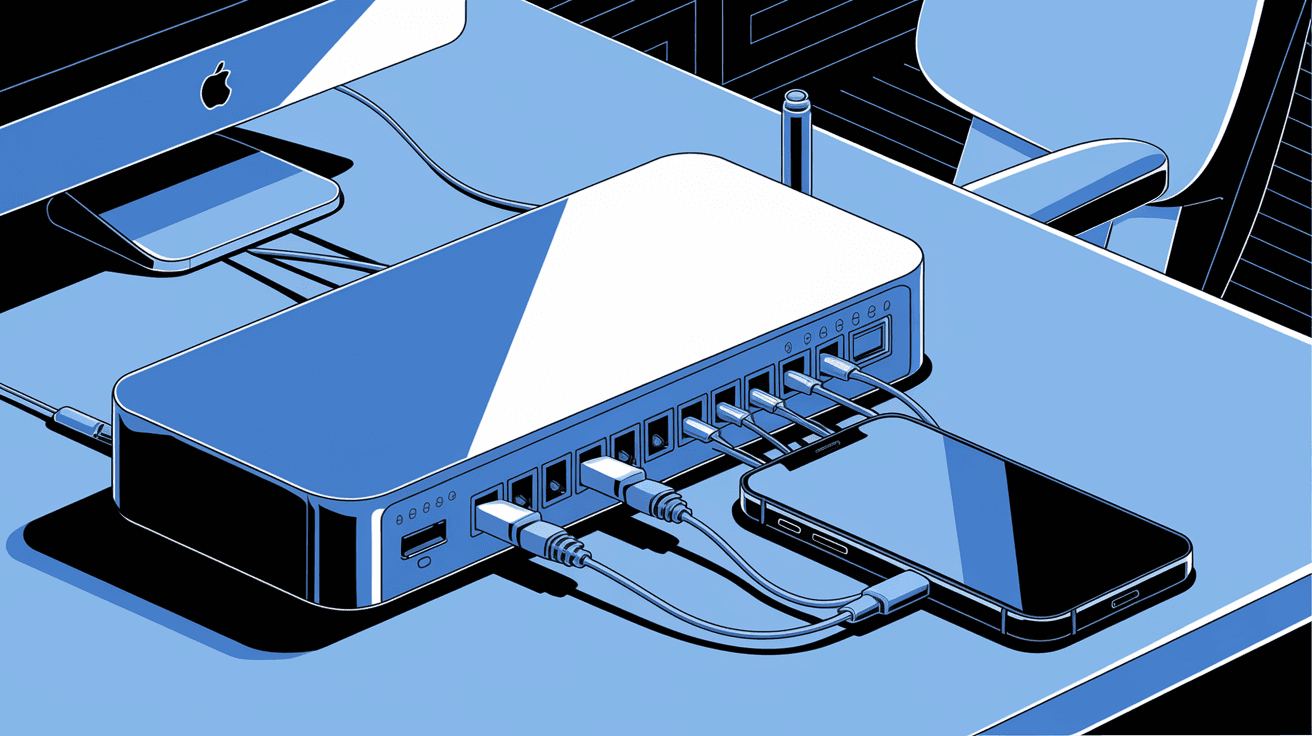
A network gateway is a device that connects two different networks and allows them to communicate. Think of it as a bridge or a translator between two separate systems. Without a gateway, networks with different protocols or architectures wouldn’t be able to exchange information.
How It Works
- Protocol Translation: Gateways convert data from one protocol to another. For example, they can translate data between a local network using Ethernet and the internet using TCP/IP.
- Traffic Management: They control the flow of data, deciding which packets can pass through and which should be blocked.
- Address Translation: Gateways often perform Network Address Translation (NAT), which hides private IP addresses behind a public IP, improving security.
Common Types of Gateways
- Internet Gateway: Connects a local network to the internet.
- Cloud Gateway: Connects on-premises networks to cloud services.
- VoIP Gateway: Converts voice signals between traditional phone networks and IP networks.
Why Are Network Gateways Important?
Without gateways, networks would be isolated islands, unable to share data or resources. Here’s why gateways are essential:
- Enabling Communication: They allow devices on different networks to communicate seamlessly.
- Security: Gateways can filter traffic, block unauthorized access, and protect networks from attacks.
- Network Efficiency: By managing data flow, gateways prevent congestion and improve performance.
- Protocol Compatibility: They make it possible for networks using different technologies to work together.
How Does a Network Gateway Differ from a Router or Switch?
It’s easy to confuse gateways with routers or switches, but they serve different roles.
| Device | Primary Function | Network Layers Operated On |
| Gateway | Connects different networks, translates protocols | Network (Layer 3) and above |
| Router | Routes data packets within or between networks | Network Layer (Layer 3) |
| Switch | Connects devices within the same network | Data Link Layer (Layer 2) |
- Gateways work at higher layers and handle protocol conversions.
- Routers direct traffic between networks but don’t translate protocols.
- Switches connect devices within the same network and manage data flow locally.
Examples of Network Gateway Use Cases
Understanding gateways becomes easier when you see them in action.
Home Network Gateway
Your home Wi-Fi router acts as a gateway. It connects your devices (phones, laptops) to your Internet Service Provider’s (ISP) network and then to the internet. It also translates private IP addresses to public ones using NAT.
Corporate Network Gateway
In businesses, gateways connect internal networks to external networks, including the internet or cloud services. They often include firewalls to protect sensitive data.
Cloud Gateway
Cloud gateways help companies connect their on-premises data centers with cloud platforms like AWS or Azure. This allows seamless data transfer and hybrid cloud setups.
How to Set Up a Network Gateway
Setting up a gateway depends on your network size and needs. Here’s a simple guide for a home network:
- Choose a Gateway Device: Usually, a modem-router combo from your ISP.
- Connect to the ISP: Plug the gateway into your internet source.
- Configure Network Settings: Set up Wi-Fi, passwords, and security options.
- Enable NAT and Firewall: These features protect your network.
- Test Connectivity: Make sure devices can access the internet.
For businesses, setup involves more complex configurations, including VPNs, advanced firewalls, and traffic monitoring.
Security Features of Network Gateways
Gateways play a crucial role in network security. Here’s how:
- Firewall Integration: Many gateways include firewalls to block malicious traffic.
- VPN Support: Gateways can create secure tunnels for remote access.
- Intrusion Detection: Some gateways monitor for suspicious activity.
- Access Control: They can restrict which devices or users connect to the network.
Using a gateway with strong security features helps protect your data and devices from cyber threats.
Future Trends in Network Gateways
As networks evolve, so do gateways. Here are some trends shaping their future:
- Cloud-Native Gateways: Designed to work seamlessly with cloud environments.
- AI-Powered Security: Using artificial intelligence to detect and respond to threats faster.
- IoT Integration: Gateways that manage and secure Internet of Things devices.
- Edge Computing: Gateways processing data closer to the source for faster response times.
These innovations will make gateways smarter, faster, and more secure.
Conclusion
Now you know that a network gateway is a vital device that connects different networks, enabling communication and protecting your data. Whether at home, in a business, or in the cloud, gateways help manage traffic, translate protocols, and keep networks secure.
Understanding how gateways work and their role in your network can help you make better decisions about your internet setup and security. Next time you connect to the internet, remember the gateway is working behind the scenes to keep everything running smoothly.
FAQs
What is the main function of a network gateway?
A network gateway connects different networks and translates data between them, allowing devices on separate networks to communicate effectively.
How does a gateway differ from a router?
While routers direct traffic between networks, gateways also translate protocols and operate at higher network layers, enabling communication between different network types.
Can a home router act as a network gateway?
Yes, most home routers function as gateways by connecting your local devices to the internet and managing traffic with NAT and firewall features.
What security features do network gateways offer?
Gateways often include firewalls, VPN support, intrusion detection, and access control to protect networks from unauthorized access and cyber threats.
Are network gateways necessary for cloud computing?
Yes, cloud gateways connect on-premises networks to cloud services, enabling hybrid cloud environments and secure data transfer.




