
What is Network Forensics
Introduction
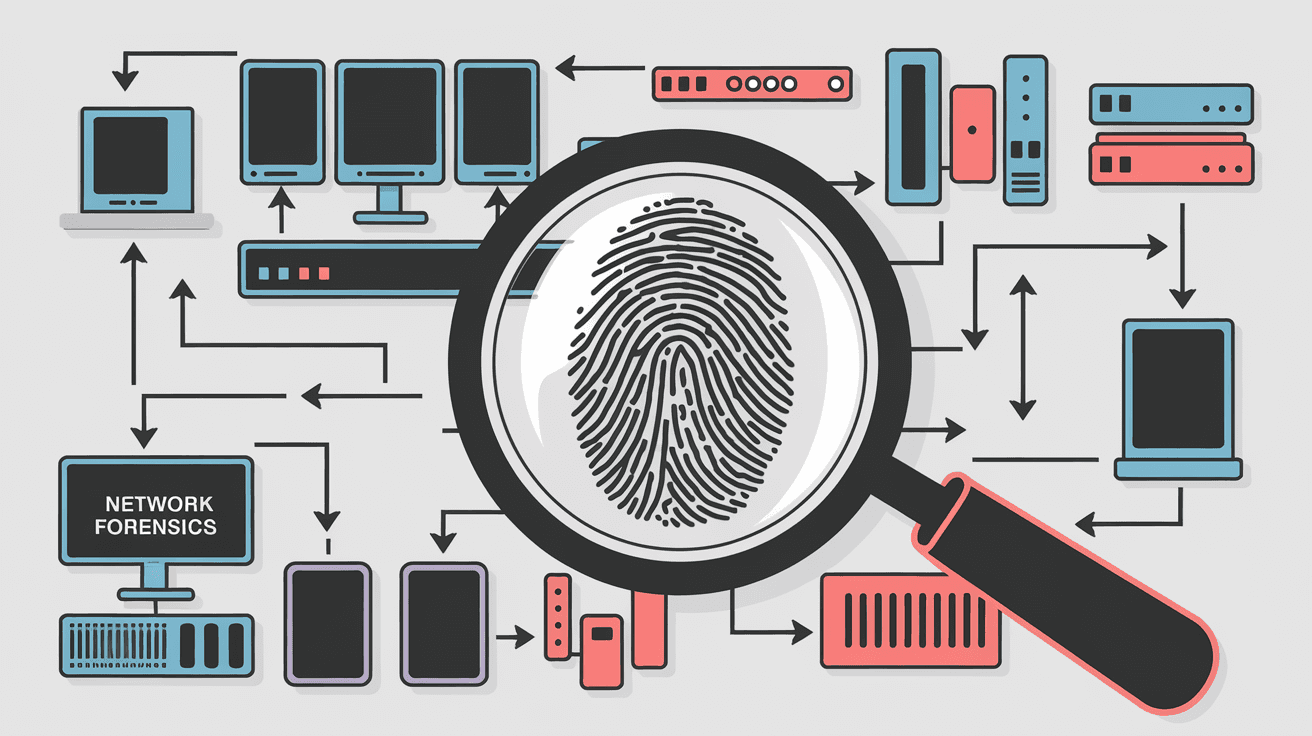
When you hear the term "network forensics," you might wonder what it really means and why it matters. In simple terms, network forensics is the process of capturing, recording, and analyzing network traffic to investigate security incidents or cybercrimes. It helps you understand what happened on a network and who might be responsible.
If you want to protect your digital environment or respond effectively to cyber threats, knowing about network forensics is a must. In this article, I’ll walk you through what network forensics involves, how it works, and why it’s a critical part of modern cybersecurity.
What Is Network Forensics?
Network forensics is a branch of digital forensics focused on monitoring and analyzing computer network traffic. Unlike traditional forensics, which might look at physical evidence, network forensics deals with data moving through networks.
It involves:
- Capturing network packets in real-time or from stored logs.
- Analyzing these packets to detect suspicious activity.
- Reconstructing events to understand security breaches or attacks.
This process helps identify unauthorized access, data theft, malware infections, and other cyber threats. Network forensics is essential for incident response teams to trace back the source of an attack and gather evidence for legal or organizational action.
How Does Network Forensics Work?
Network forensics works by collecting and examining data that flows through a network. Here’s a simple breakdown of the process:
Data Capture
Tools like packet sniffers or network taps capture raw data packets. This can happen live or from saved network logs.Data Storage
Captured data is stored securely for analysis. Storage must be efficient because network traffic can be huge.Data Analysis
Analysts use software to filter and inspect packets, looking for anomalies or known attack patterns.Event Reconstruction
By piecing together packet data, analysts recreate the sequence of events during a security incident.Reporting
Findings are documented to support incident response or legal proceedings.
Tools Used in Network Forensics
Several tools help with network forensics, including:
- Wireshark: A popular packet analyzer for capturing and inspecting network traffic.
- Tcpdump: A command-line tool for capturing packets.
- NetworkMiner: A tool for extracting files and metadata from network traffic.
- Snort: An intrusion detection system that can alert on suspicious network activity.
These tools help you collect and analyze data efficiently, making it easier to spot threats.
Why Is Network Forensics Important?
Network forensics plays a vital role in cybersecurity for several reasons:
- Detecting Cyber Attacks: It helps identify attacks like malware infections, denial-of-service (DoS), or unauthorized access.
- Incident Response: Provides evidence to understand how an attack happened and who was involved.
- Legal Evidence: Helps organizations collect proof that can be used in court.
- Improving Security: Insights from network forensics can guide better security policies and defenses.
- Compliance: Many industries require network monitoring and forensic capabilities to meet regulations.
Without network forensics, organizations would struggle to respond effectively to cyber incidents or prevent future attacks.
Types of Network Forensics
Network forensics can be divided into two main types:
1. Passive Network Forensics
This type involves monitoring and analyzing network traffic without interfering with it. It’s like quietly observing what’s happening on the network. Passive forensics is useful for detecting ongoing attacks or suspicious behavior.
2. Active Network Forensics
Active forensics involves interacting with the network to collect data. This might include redirecting traffic or deploying honeypots (decoy systems) to lure attackers. Active methods can provide deeper insights but may affect network performance.
Both types are important depending on the situation and goals of the investigation.
Common Challenges in Network Forensics
Network forensics is powerful but comes with challenges:
- High Data Volume: Networks generate massive amounts of data, making storage and analysis difficult.
- Encrypted Traffic: Increasing use of encryption hides packet content, complicating analysis.
- Real-Time Analysis: Detecting attacks as they happen requires fast processing and alerting.
- Data Privacy: Collecting network data must respect privacy laws and policies.
- Skill Requirements: Analysts need specialized knowledge to interpret network data correctly.
Overcoming these challenges requires advanced tools, skilled personnel, and clear policies.
Network Forensics in Cybersecurity Incident Response
When a cyber attack occurs, network forensics is a key part of the incident response process. Here’s how it fits in:
- Detection: Network forensics tools help spot unusual traffic or signs of compromise.
- Investigation: Analysts examine captured data to understand the attack’s nature and scope.
- Containment: Insights from forensics guide actions to stop the attack from spreading.
- Eradication: Helps identify and remove malicious elements from the network.
- Recovery: Assists in restoring normal operations and preventing recurrence.
- Reporting: Provides evidence for internal reports or legal action.
By integrating network forensics into incident response, organizations can respond faster and more effectively.
Real-World Examples of Network Forensics
Network forensics has been crucial in many high-profile cyber investigations. Here are a few examples:
- Data Breach Investigations: Companies use network forensics to trace how hackers accessed sensitive data.
- Ransomware Attacks: Forensics helps identify the malware’s entry point and communication with command servers.
- Insider Threats: Monitoring network traffic can reveal unauthorized data transfers by employees.
- Botnet Detection: Network forensics can uncover networks of infected devices controlled by attackers.
These cases show how network forensics helps protect organizations and bring cybercriminals to justice.
Best Practices for Implementing Network Forensics
If you want to set up network forensics in your organization, consider these best practices:
- Deploy Network Sensors: Place sensors at key points to capture relevant traffic.
- Use Automated Tools: Leverage software that can analyze data quickly and flag threats.
- Maintain Logs Securely: Store captured data safely to preserve evidence integrity.
- Train Analysts: Ensure your team has the skills to interpret network data.
- Follow Legal Guidelines: Comply with privacy laws and regulations when collecting data.
- Integrate with Security Systems: Combine network forensics with firewalls, IDS, and SIEM tools for better protection.
Following these steps will help you build a strong network forensics capability.
Future Trends in Network Forensics
Network forensics is evolving with technology. Here are some trends shaping its future:
- AI and Machine Learning: These technologies help analyze large data sets faster and detect unknown threats.
- Cloud Forensics: As more networks move to the cloud, forensic methods adapt to virtual environments.
- Encrypted Traffic Analysis: New techniques are emerging to analyze encrypted data without breaking privacy.
- Automated Incident Response: Integration of forensics with automated systems speeds up threat mitigation.
- IoT Forensics: With the rise of Internet of Things devices, network forensics expands to cover these new endpoints.
Staying updated on these trends will keep your network forensics efforts effective.
Conclusion
Network forensics is a crucial tool for anyone serious about cybersecurity. It helps you capture and analyze network data to detect, investigate, and respond to cyber threats. Whether you’re defending a small business or a large enterprise, understanding network forensics can improve your security posture.
By using the right tools, following best practices, and staying aware of future trends, you can make network forensics a key part of your defense strategy. It’s not just about catching attackers—it’s about learning from incidents to build stronger, safer networks.
FAQs
What is the main goal of network forensics?
The main goal is to capture and analyze network traffic to detect and investigate cyber incidents. It helps identify attackers, understand attacks, and gather evidence for response or legal action.
How is network forensics different from traditional digital forensics?
Network forensics focuses on data moving through networks, while traditional digital forensics examines data stored on devices like hard drives. Network forensics deals with live or recorded network traffic.
Can network forensics work with encrypted data?
Encrypted data is harder to analyze, but some techniques can inspect metadata or traffic patterns without decrypting content. New tools are improving encrypted traffic analysis.
What skills do network forensic analysts need?
They need knowledge of networking protocols, cybersecurity threats, packet analysis tools, and incident response procedures. Analytical thinking and attention to detail are also important.
Is network forensics legal to use in all situations?
Network forensics must comply with privacy laws and organizational policies. Unauthorized monitoring or data collection can be illegal, so it’s important to follow legal guidelines.




