
What is Network Firewall Appliance
Introduction
You might have heard about network firewall appliances but wonder what they really are and why they matter. In today’s digital world, protecting your network is more important than ever. A network firewall appliance is a key tool that helps keep your data safe from hackers and unwanted access.
In this article, I’ll explain what a network firewall appliance is, how it works, and why you should consider using one. Whether you’re managing a small business or a large organization, understanding this technology can help you secure your network better.
What Is a Network Firewall Appliance?
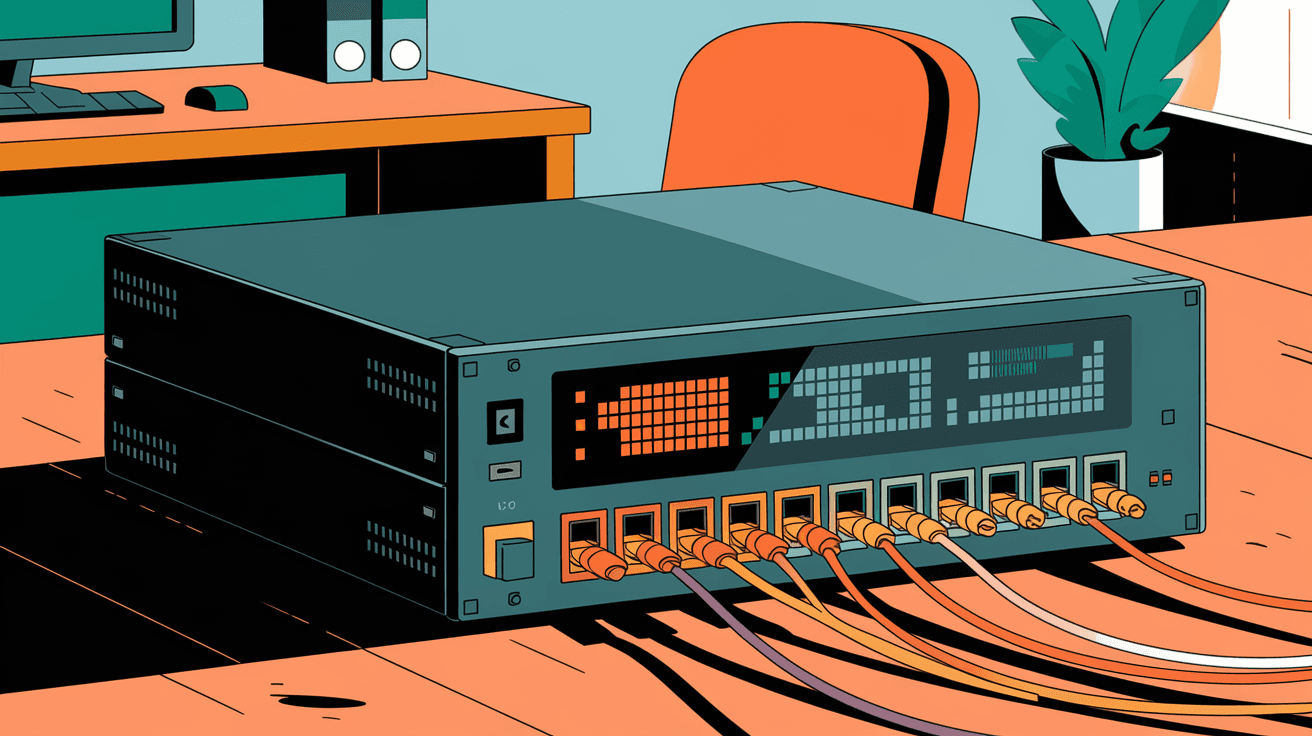
A network firewall appliance is a dedicated hardware device designed to protect your network from unauthorized access and cyber threats. Unlike software firewalls, which run on computers or servers, these appliances are standalone devices that sit between your internal network and the internet.
They monitor and control incoming and outgoing network traffic based on a set of security rules. This helps block malicious traffic, prevent hacking attempts, and stop harmful data from entering or leaving your network.
Key Features of Network Firewall Appliances
- Hardware-based security: Provides faster processing and better performance than software firewalls.
- Traffic filtering: Inspects data packets to allow or block traffic based on rules.
- Intrusion prevention: Detects and stops suspicious activities in real time.
- VPN support: Enables secure remote access for employees.
- Logging and reporting: Tracks network activity for analysis and compliance.
How Does a Network Firewall Appliance Work?
A network firewall appliance works by examining every data packet that tries to enter or leave your network. It uses predefined security policies to decide whether to allow or block the traffic. Here’s a simple breakdown of the process:
- Packet Inspection: The appliance checks the header and content of each data packet.
- Rule Matching: It compares the packet against security rules set by the network administrator.
- Decision Making: If the packet meets the rules, it’s allowed through; if not, it’s blocked.
- Logging: The appliance records details about the traffic for monitoring and troubleshooting.
Types of Packet Inspection
- Stateless Inspection: Checks packets individually without considering previous packets.
- Stateful Inspection: Tracks the state of active connections and makes decisions based on the context.
- Deep Packet Inspection (DPI): Examines the actual data inside packets to detect hidden threats.
Why Use a Network Firewall Appliance?
Using a network firewall appliance offers several benefits that help protect your network and data:
- Enhanced Security: Blocks unauthorized access and cyberattacks like malware, ransomware, and phishing.
- Improved Network Performance: Dedicated hardware processes traffic faster than software solutions.
- Simplified Management: Centralized control over network security policies.
- Compliance: Helps meet regulatory requirements by logging and controlling data flow.
- Scalability: Can handle growing network traffic as your business expands.
Common Use Cases for Network Firewall Appliances
Network firewall appliances are used in many environments to protect sensitive data and maintain network integrity. Here are some common scenarios:
- Small and Medium Businesses (SMBs): Protects company data and customer information.
- Large Enterprises: Secures complex networks with multiple branches and remote users.
- Data Centers: Guards critical infrastructure and servers.
- Educational Institutions: Controls access to online resources and protects student data.
- Healthcare Providers: Ensures compliance with health data privacy laws like HIPAA.
Choosing the Right Network Firewall Appliance
Selecting the right firewall appliance depends on your specific needs and network size. Here are some factors to consider:
- Performance: Look for appliances that can handle your network’s traffic volume without slowing down.
- Security Features: Ensure it supports advanced features like intrusion prevention and VPN.
- Ease of Use: Choose devices with user-friendly management interfaces.
- Scalability: Pick appliances that can grow with your network.
- Support and Updates: Check for regular firmware updates and vendor support.
Popular Brands and Models
- Cisco ASA Series: Known for robust security and scalability.
- Fortinet FortiGate: Offers high performance with integrated threat intelligence.
- Palo Alto Networks: Provides advanced threat detection and cloud integration.
- Sophos XG Firewall: User-friendly with strong security features.
- WatchGuard Firebox: Ideal for SMBs with flexible deployment options.
How to Set Up a Network Firewall Appliance
Setting up a network firewall appliance involves several steps to ensure it protects your network effectively:
- Plan Your Network: Identify where the firewall will sit between your internal network and the internet.
- Install the Appliance: Connect it physically to your network infrastructure.
- Configure Security Policies: Define rules for allowed and blocked traffic based on your needs.
- Enable Additional Features: Set up VPNs, intrusion prevention, and logging.
- Test the Configuration: Verify that the firewall blocks unwanted traffic and allows legitimate access.
- Monitor and Update: Regularly check logs and update firmware to maintain security.
Network Firewall Appliance vs. Software Firewall
It’s important to understand the difference between hardware firewall appliances and software firewalls:
| Feature | Network Firewall Appliance | Software Firewall |
| Deployment | Dedicated hardware device | Installed on individual devices |
| Performance | High, handles large traffic loads | Limited by host device resources |
| Security Scope | Protects entire network | Protects single device |
| Management | Centralized control | Managed per device |
| Cost | Higher upfront cost | Usually lower cost or free |
Using both together can provide layered security, but a network firewall appliance is essential for protecting your entire network perimeter.
Future Trends in Network Firewall Appliances
As cyber threats evolve, so do firewall appliances. Here are some trends shaping their future:
- AI and Machine Learning: Automate threat detection and response.
- Cloud Integration: Firewalls that protect hybrid and cloud environments.
- Zero Trust Security: Enforce strict access controls inside the network.
- IoT Security: Protect growing numbers of connected devices.
- Simplified Management: More intuitive interfaces and automation tools.
These advancements will make network firewall appliances even more effective and easier to use.
Conclusion
Now you know that a network firewall appliance is a powerful hardware device that protects your network from cyber threats. It works by filtering traffic based on security rules, helping to block unauthorized access and keep your data safe. Whether you run a small business or a large enterprise, using a firewall appliance is a smart step toward stronger network security.
Choosing the right appliance and setting it up properly can improve your network’s performance and compliance. As technology advances, these devices will continue to evolve, offering better protection and easier management. Investing in a network firewall appliance is investing in your network’s safety and your peace of mind.
FAQs
What is the main difference between a network firewall appliance and a software firewall?
A network firewall appliance is a dedicated hardware device that protects the entire network, while a software firewall runs on individual devices and protects only that device.
Can a network firewall appliance protect against ransomware?
Yes, many firewall appliances include intrusion prevention and deep packet inspection features that help detect and block ransomware attacks before they reach your network.
How often should I update my firewall appliance?
You should update your firewall appliance regularly, ideally as soon as new firmware or security patches are released by the vendor to protect against the latest threats.
Is a network firewall appliance necessary for small businesses?
Yes, even small businesses benefit from firewall appliances because they provide strong, centralized protection against cyber threats and help secure sensitive data.
Can I manage a network firewall appliance remotely?
Most modern firewall appliances support remote management through secure web interfaces or VPN, allowing administrators to configure and monitor the device from anywhere.




