
What is Network Detection and Response
Introduction
You might have heard about Network Detection and Response, or NDR, but wondered what it really means for your business or personal security. In today’s digital world, threats are more advanced and harder to spot. That’s where NDR comes in—it helps you detect and respond to cyber threats lurking in your network.
We’ll explore what NDR is, how it works, and why it’s becoming a key part of cybersecurity. By the end, you’ll understand how NDR can protect your network from attacks and keep your data safe.
What is Network Detection and Response?
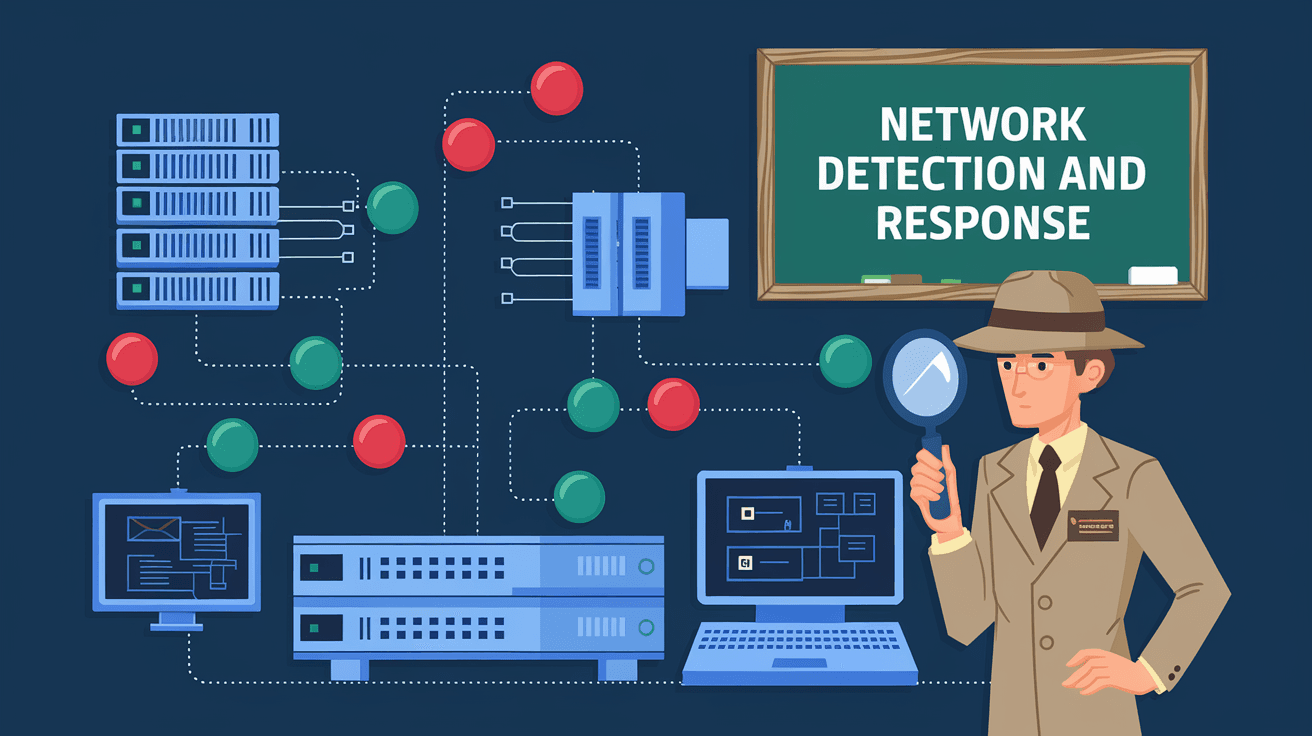
Network Detection and Response (NDR) is a cybersecurity technology designed to monitor network traffic continuously. Its goal is to detect suspicious activities or threats and respond quickly to prevent damage.
Unlike traditional security tools that focus on known threats, NDR uses advanced analytics and machine learning to identify unusual behavior. This means it can spot new or hidden attacks that other tools might miss.
Key Features of NDR
- Continuous Network Monitoring: Keeps an eye on all network traffic in real time.
- Behavioral Analysis: Detects unusual patterns that may indicate threats.
- Threat Detection: Identifies malware, ransomware, insider threats, and more.
- Automated Response: Can trigger alerts or actions to stop attacks fast.
- Integration: Works with other security tools for a complete defense.
NDR focuses on the network layer, analyzing data flows between devices, servers, and cloud services. This broad view helps uncover threats that endpoint or firewall tools might overlook.
How Does Network Detection and Response Work?
NDR systems collect data from various points in your network, such as routers, switches, and sensors. They analyze this data using advanced techniques to find signs of malicious activity.
Data Collection and Analysis
- Packet Capture: NDR tools capture network packets, the small pieces of data sent between devices.
- Flow Data: They also analyze metadata about connections, like source and destination IPs.
- Deep Packet Inspection: Examines the content of packets for suspicious payloads.
- Machine Learning: Learns normal network behavior to spot anomalies.
Once the system detects something unusual, it alerts security teams or automatically takes action to contain the threat.
Response Capabilities
- Alerting: Sends detailed notifications about the threat.
- Quarantine: Isolates affected devices or network segments.
- Blocking: Stops malicious traffic in real time.
- Forensics: Provides data for investigation and remediation.
By combining detection and response, NDR reduces the time attackers have inside your network, limiting damage.
Why is Network Detection and Response Important?
Cyber threats are evolving rapidly. Attackers use sophisticated methods that can bypass traditional defenses like firewalls and antivirus software. NDR fills this gap by focusing on network behavior, which is harder for attackers to hide.
Benefits of NDR
- Early Threat Detection: Finds attacks before they cause harm.
- Improved Incident Response: Speeds up how quickly you can react.
- Visibility: Gives a clear picture of network activity.
- Reduced Risk: Limits the impact of breaches.
- Supports Zero Trust: Helps verify every network action.
With more businesses moving to cloud and hybrid environments, NDR is essential for maintaining security across complex networks.
NDR vs. Other Security Technologies
It’s helpful to understand how NDR compares to other tools like Endpoint Detection and Response (EDR) and Security Information and Event Management (SIEM).
| Technology | Focus Area | Strengths | Limitations |
| NDR | Network traffic and behavior | Detects network-based threats, broad visibility | May miss endpoint-specific attacks |
| EDR | Endpoints (computers, devices) | Detects malware on devices, detailed endpoint data | Limited network visibility |
| SIEM | Aggregates logs from multiple sources | Centralized alerting and correlation | Depends on quality of input data |
Many organizations use NDR alongside EDR and SIEM for a layered defense strategy.
Implementing Network Detection and Response
If you’re considering NDR, here are some steps to get started:
1. Assess Your Network Environment
Understand your network architecture, traffic patterns, and critical assets. This helps tailor the NDR solution to your needs.
2. Choose the Right NDR Solution
Look for tools that offer:
- Real-time monitoring
- Machine learning capabilities
- Easy integration with existing security systems
- Automated response features
3. Deploy Sensors Strategically
Place sensors at key points like data centers, cloud gateways, and branch offices to capture relevant traffic.
4. Train Your Security Team
Ensure your team understands how to interpret alerts and respond effectively.
5. Continuously Tune and Update
Regularly update detection rules and machine learning models to adapt to new threats.
Challenges and Considerations with NDR
While NDR offers many benefits, it also comes with challenges:
- False Positives: Too many alerts can overwhelm teams.
- Complexity: Deploying and managing NDR requires expertise.
- Privacy Concerns: Deep packet inspection may raise data privacy issues.
- Integration: Ensuring smooth operation with other security tools can be tricky.
Addressing these challenges involves careful planning, skilled staff, and ongoing management.
Future Trends in Network Detection and Response
NDR technology is evolving quickly to keep up with cyber threats. Here are some trends to watch:
- AI and Automation: More advanced AI will improve detection accuracy and automate responses.
- Cloud-Native NDR: Solutions designed specifically for cloud environments.
- Extended Detection and Response (XDR): Combining NDR with endpoint and other data sources for a unified view.
- Threat Intelligence Integration: Real-time sharing of threat data to enhance detection.
These trends will make NDR even more powerful and essential for cybersecurity.
Conclusion
Network Detection and Response is a vital tool in today’s cybersecurity landscape. It helps you monitor your network continuously, detect hidden threats, and respond quickly to stop attacks. By focusing on network behavior, NDR fills gaps left by traditional security tools.
If you want to protect your business or personal data from advanced cyber threats, understanding and implementing NDR is a smart move. It gives you better visibility, faster response, and stronger defense against evolving attacks.
FAQs
What types of threats can NDR detect?
NDR can detect malware, ransomware, insider threats, lateral movement, data exfiltration, and other suspicious network activities.
How does NDR differ from traditional firewalls?
Firewalls block traffic based on rules, while NDR analyzes network behavior to detect hidden or unknown threats.
Can NDR work in cloud environments?
Yes, modern NDR solutions are designed to monitor cloud and hybrid networks effectively.
Is NDR suitable for small businesses?
Yes, many NDR tools scale to fit small and medium businesses, offering essential network visibility and protection.
How does NDR improve incident response?
NDR provides real-time alerts and automated actions, helping security teams respond faster and reduce damage.




