
What is Network Behavior Analysis
Introduction
You might have heard about Network Behavior Analysis (NBA) but wonder what it really means and why it matters. In today’s digital world, networks are more complex and vulnerable than ever. Understanding how your network behaves can help you spot problems before they become disasters.
We’ll explore what Network Behavior Analysis is, how it works, and why you should care. Whether you manage a small business network or a large enterprise system, knowing about NBA can improve your security and performance.
What is Network Behavior Analysis?
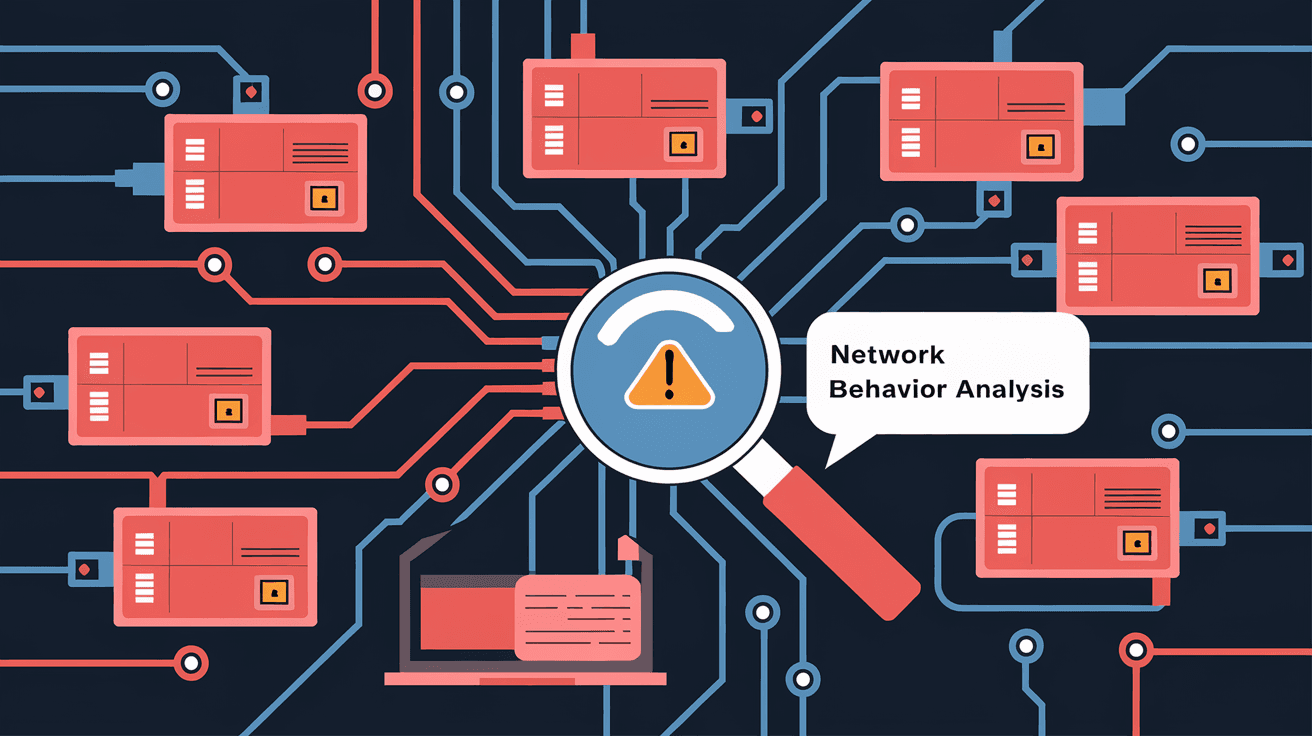
Network Behavior Analysis is a cybersecurity technique that monitors network traffic and activities to detect unusual or suspicious behavior. Instead of just looking for known threats, NBA focuses on how devices and users behave on the network.
This approach helps identify new or hidden threats that traditional security tools might miss. NBA systems analyze patterns like data flow, connection frequency, and device communication to spot anything out of the ordinary.
Key Features of NBA
- Real-time monitoring: Constantly watches network traffic to catch issues quickly.
- Anomaly detection: Identifies behavior that deviates from normal patterns.
- Threat identification: Finds potential security risks like malware or insider threats.
- Network performance insights: Helps optimize network efficiency by spotting bottlenecks or failures.
How Does Network Behavior Analysis Work?
NBA uses advanced algorithms and machine learning to understand what “normal” looks like on your network. It collects data from various sources like routers, switches, and firewalls, then analyzes this data to detect anomalies.
Here’s a simple breakdown of the process:
- Data Collection: NBA tools gather network traffic data, including packet information, connection logs, and device activity.
- Baseline Creation: The system learns typical network behavior over time, creating a baseline.
- Continuous Monitoring: It compares current activity against the baseline to find deviations.
- Alert Generation: When unusual behavior is detected, NBA sends alerts for further investigation.
- Response: Security teams or automated systems respond to potential threats.
Technologies Behind NBA
- Machine Learning: Helps improve detection accuracy by learning from new data.
- Statistical Analysis: Measures deviations from normal behavior.
- Signature-less Detection: Finds threats without relying on known malware signatures.
- Integration with SIEM: NBA often works with Security Information and Event Management systems for better threat management.
Why is Network Behavior Analysis Important?
Traditional security tools like firewalls and antivirus software focus on known threats. However, cyber attackers constantly evolve, using new methods that can bypass these defenses. NBA fills this gap by detecting unusual behavior that might indicate an attack.
Benefits of NBA
- Early Threat Detection: Spot zero-day attacks and insider threats before damage occurs.
- Reduced False Positives: By understanding normal behavior, NBA reduces unnecessary alerts.
- Improved Incident Response: Faster detection means quicker action to stop threats.
- Enhanced Network Visibility: Provides a clear picture of all devices and activities on the network.
- Compliance Support: Helps meet regulatory requirements by monitoring network security continuously.
Common Use Cases for Network Behavior Analysis
NBA is useful in many scenarios where network security and performance are critical. Here are some examples:
- Detecting Insider Threats: Employees or contractors misusing access can be spotted by unusual activity patterns.
- Identifying Malware and Ransomware: NBA can detect unusual data transfers or communication with suspicious servers.
- Preventing Data Exfiltration: Alerts when large amounts of data are sent outside the network unexpectedly.
- Monitoring IoT Devices: Many IoT devices have weak security; NBA helps track their behavior for anomalies.
- Supporting Cloud Security: NBA tools can monitor traffic between cloud services and on-premises networks.
How to Implement Network Behavior Analysis
If you want to use NBA, here are some steps to get started:
- Assess Your Network: Understand your network size, devices, and traffic patterns.
- Choose the Right NBA Tool: Look for solutions that fit your needs, whether on-premises or cloud-based.
- Set Up Data Collection: Configure your network devices to send traffic data to the NBA system.
- Train the System: Allow the NBA tool to learn your network’s normal behavior.
- Define Alert Policies: Customize alerts based on your security priorities.
- Integrate with Other Security Tools: Connect NBA with firewalls, SIEM, and endpoint protection for a unified defense.
- Regularly Review and Update: Keep your NBA system tuned to adapt to network changes and new threats.
Challenges and Limitations of Network Behavior Analysis
While NBA is powerful, it’s not perfect. Here are some challenges you might face:
- Complex Baseline Creation: Networks with highly variable traffic can make it hard to define “normal.”
- Resource Intensive: NBA tools can require significant processing power and storage.
- False Positives: Although reduced, some false alerts still occur and need investigation.
- Encrypted Traffic: Increasing use of encryption can limit visibility into network content.
- Skill Requirements: Effective NBA needs trained analysts to interpret alerts and respond properly.
Future Trends in Network Behavior Analysis
As cyber threats grow more sophisticated, NBA is evolving too. Here are some trends shaping its future:
- AI and Deep Learning: More advanced AI models will improve anomaly detection accuracy.
- Integration with Zero Trust: NBA will play a key role in verifying user and device behavior continuously.
- Cloud-Native NBA: Tools designed specifically for cloud environments will become standard.
- Automated Response: NBA systems will increasingly trigger automatic actions to contain threats.
- Behavioral Biometrics: Combining network behavior with user biometrics for stronger security.
Conclusion
Network Behavior Analysis is a vital tool for anyone serious about network security and management. By focusing on how your network behaves, NBA helps detect threats that traditional tools might miss. It also improves your understanding of network performance and supports compliance efforts.
If you want to protect your network from evolving cyber threats, NBA is worth considering. With the right tools and approach, you can gain better visibility, detect attacks early, and respond faster. As networks grow more complex, NBA will only become more important in keeping your digital world safe.
FAQs
What types of threats can Network Behavior Analysis detect?
NBA can detect insider threats, malware, ransomware, data exfiltration, and unusual device activity that might indicate a cyberattack or network misuse.
How is NBA different from traditional security tools?
Unlike traditional tools that rely on known threat signatures, NBA focuses on detecting unusual behavior patterns, allowing it to find new or unknown threats.
Can NBA work with encrypted network traffic?
NBA has limitations with encrypted traffic visibility, but it can still analyze metadata and traffic patterns to detect anomalies without decrypting content.
Is Network Behavior Analysis suitable for small businesses?
Yes, many NBA solutions are scalable and can be tailored to small business networks to improve security and network monitoring.
How often should NBA baselines be updated?
Baselines should be updated regularly to reflect changes in network usage, device additions, and new applications to maintain accurate anomaly detection.




