
What is NERC CIP (Critical Infrastructure Protection)
Introduction
You might have heard about NERC CIP if you work in the energy sector or deal with critical infrastructure. But what exactly is it? NERC CIP stands for North American Electric Reliability Corporation Critical Infrastructure Protection. It’s a set of standards designed to keep our electric grid safe and reliable.
In this article, I’ll explain what NERC CIP is, why it’s important, and how it helps protect the energy systems we all depend on. Whether you’re new to this topic or want to understand its impact better, this guide will give you clear and useful insights.
What is NERC CIP?
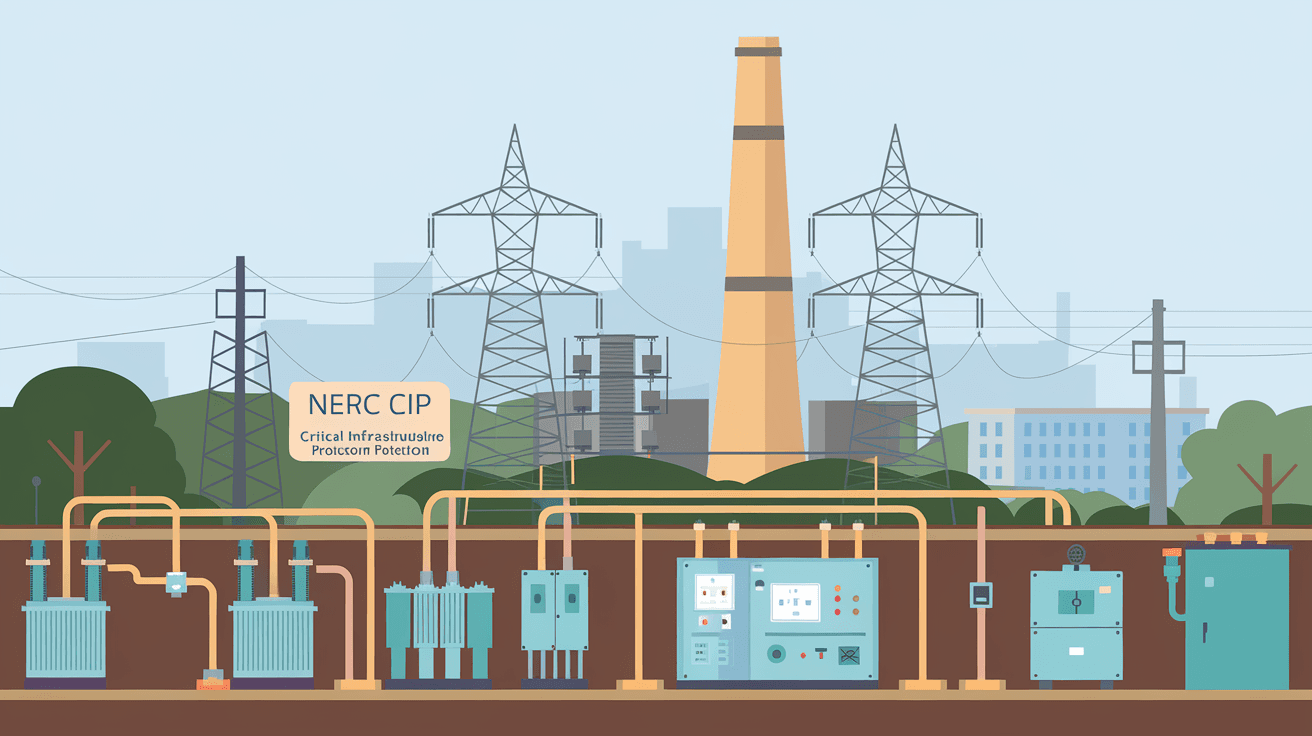
NERC CIP is a collection of cybersecurity and physical security standards. These standards are created by the North American Electric Reliability Corporation (NERC). Their main goal is to protect the electric grid’s critical infrastructure from cyberattacks, physical threats, and other risks.
The electric grid is vital for daily life, powering homes, businesses, and essential services. Any disruption can cause widespread problems. NERC CIP helps prevent such disruptions by setting rules for utilities and organizations that manage the grid.
Key Features of NERC CIP
- Cybersecurity Focus: Protects digital systems controlling the grid.
- Physical Security: Ensures physical access to critical equipment is controlled.
- Risk Management: Requires organizations to identify and manage risks.
- Incident Reporting: Mandates quick reporting of security incidents.
- Continuous Improvement: Encourages regular updates and audits.
These features work together to create a strong defense against threats.
Why is NERC CIP Important?
The electric grid is a prime target for cybercriminals and other threats. Attacks on this infrastructure can lead to blackouts, economic losses, and even risks to public safety. NERC CIP is important because it helps reduce these risks.
Protecting Critical Infrastructure
Critical infrastructure includes systems and assets essential for the country’s security and economy. The electric grid is one of the most critical infrastructures. NERC CIP ensures that organizations managing the grid follow strict security practices.
Compliance and Legal Requirements
Utilities and grid operators must comply with NERC CIP standards. Failure to comply can result in heavy fines and legal consequences. This compliance also builds trust with customers and regulators.
Enhancing Grid Reliability
By securing the grid’s systems, NERC CIP helps maintain reliable electricity delivery. This reliability is crucial for hospitals, emergency services, and everyday life.
The History and Evolution of NERC CIP
NERC CIP standards have evolved over time to address new threats and technologies. The first version was introduced in the early 2000s after several high-profile cyber incidents.
Timeline Highlights
- Early 2000s: Initial standards focused on basic cybersecurity.
- 2010: Major updates expanded scope and detail.
- 2020s: Continuous revisions to address emerging threats like ransomware.
- 2026: Latest version emphasizes supply chain security and cloud computing risks.
This evolution shows how NERC CIP adapts to keep pace with changing security landscapes.
Who Must Comply with NERC CIP?
NERC CIP applies to entities involved in the bulk electric system (BES). This includes:
- Electric utilities
- Power generators
- Transmission operators
- Distribution providers (in some cases)
- Control centers and system operators
These entities are responsible for protecting their critical cyber assets and physical infrastructure.
Core NERC CIP Standards Explained
NERC CIP consists of several standards, each focusing on different security aspects. Here are some of the main ones:
CIP-002: Identification of Critical Cyber Assets
This standard requires organizations to identify which assets are critical to the grid’s operation. Knowing what to protect is the first step in security.
CIP-003: Security Management Controls
It sets rules for managing security programs, including policies and procedures.
CIP-004: Personnel and Training
Ensures that employees and contractors receive proper security training.
CIP-005: Electronic Security Perimeters
Defines how to protect electronic access to critical systems.
CIP-006: Physical Security of Critical Cyber Assets
Focuses on controlling physical access to important equipment.
CIP-007: System Security Management
Covers patch management, malware protection, and vulnerability assessments.
CIP-008: Incident Reporting and Response Planning
Requires quick reporting and response to security incidents.
CIP-010: Configuration Change Management
Ensures changes to systems are controlled and documented.
CIP-013: Supply Chain Risk Management
Addresses risks from third-party vendors and suppliers.
Each standard plays a role in building a comprehensive security framework.
How Organizations Implement NERC CIP
Implementing NERC CIP involves several steps:
1. Asset Identification
Organizations start by identifying critical cyber assets and their impact on the grid.
2. Risk Assessment
They assess risks related to these assets, including cyber threats and physical vulnerabilities.
3. Security Controls
Based on risk, they apply controls like firewalls, access restrictions, and monitoring.
4. Training and Awareness
Staff receive training to understand security policies and respond to threats.
5. Incident Response
Organizations develop plans to detect, report, and respond to incidents quickly.
6. Audits and Reporting
Regular audits ensure compliance, and reports are submitted to regulators.
Tools and Technologies Used
- Firewalls and intrusion detection systems
- Encryption and multi-factor authentication
- Security information and event management (SIEM) systems
- Physical access controls like badges and cameras
Challenges in NERC CIP Compliance
While NERC CIP is essential, it comes with challenges:
Complexity and Cost
Meeting all standards requires significant investment in technology and personnel.
Keeping Up with Changes
Standards evolve, so organizations must stay updated and adapt quickly.
Supply Chain Risks
Managing third-party risks is difficult but critical, especially with increasing cloud use.
Balancing Security and Operations
Security measures must not disrupt grid operations, which requires careful planning.
The Future of NERC CIP
Looking ahead, NERC CIP will continue to evolve. Here are some trends to watch:
Increased Focus on Cloud Security
As more utilities move to cloud platforms, standards will address cloud-specific risks.
Advanced Threat Detection
Use of AI and machine learning to detect and respond to threats faster.
Greater Supply Chain Oversight
More detailed requirements for vendor security assessments.
Integration with Other Frameworks
NERC CIP may align more closely with international cybersecurity standards.
Conclusion
NERC CIP is a vital framework that protects the electric grid’s critical infrastructure. It sets clear rules for cybersecurity and physical security, helping prevent disruptions that could affect millions of people. By understanding and following these standards, organizations keep the lights on and ensure public safety.
Whether you work in the energy sector or are simply curious, knowing about NERC CIP helps you appreciate the efforts behind a reliable and secure power supply. As threats evolve, so will NERC CIP, making it a key part of our energy future.
FAQs
What does NERC CIP stand for?
NERC CIP stands for North American Electric Reliability Corporation Critical Infrastructure Protection. It’s a set of standards to secure the electric grid’s critical systems.
Who enforces NERC CIP standards?
NERC, along with regional entities and the Federal Energy Regulatory Commission (FERC), enforces NERC CIP compliance in North America.
How often are NERC CIP standards updated?
NERC CIP standards are reviewed and updated regularly, typically every few years, to address new threats and technologies.
What happens if an organization fails NERC CIP compliance?
Organizations can face fines, penalties, and increased regulatory scrutiny if they fail to comply with NERC CIP standards.
Does NERC CIP only cover cybersecurity?
No, NERC CIP covers both cybersecurity and physical security to protect critical infrastructure comprehensively.




