
What is Monitoring Appliance
Introduction
If you’ve ever wondered how companies keep an eye on their networks and systems, you’re in the right place. A monitoring appliance is a tool designed to help you track the health, performance, and security of your IT environment. Whether you manage a small office network or a large data center, understanding what a monitoring appliance does can make your job easier.
In this article, I’ll walk you through what a monitoring appliance is, how it works, and why it’s important. You’ll also learn about different types of monitoring appliances and how they help businesses stay ahead of problems before they become serious.
What Is a Monitoring Appliance?
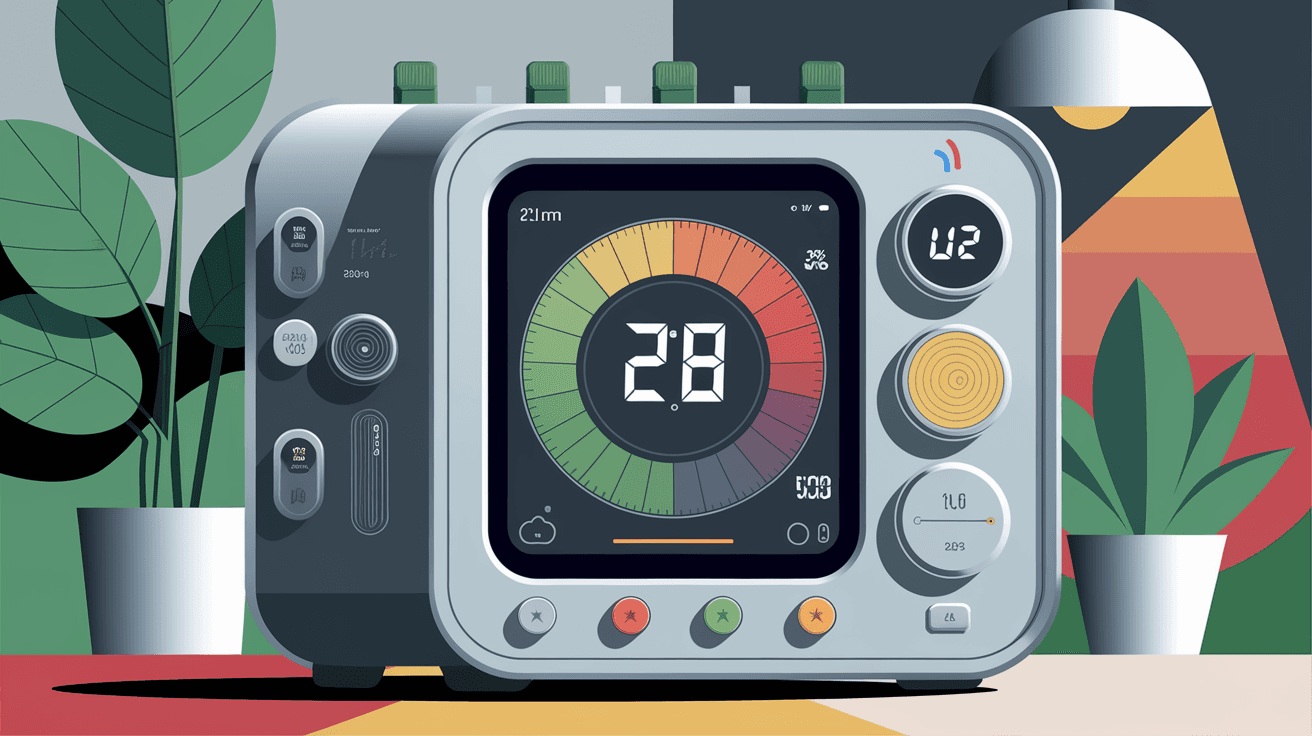
A monitoring appliance is a dedicated hardware or software device that continuously checks the status of computer networks, servers, applications, or other IT infrastructure components. Its main job is to collect data, analyze it, and alert you if something goes wrong.
Unlike general-purpose computers, monitoring appliances are optimized for this task. They often come pre-configured with monitoring software and are designed to run 24/7 without interruption.
Key Features of Monitoring Appliances
- Real-time data collection: Constantly gathers information about system performance.
- Alerting system: Notifies you immediately if there’s an issue.
- Data analysis: Processes collected data to identify trends or anomalies.
- Reporting: Generates reports to help you understand system health over time.
- Easy deployment: Often plug-and-play, requiring minimal setup.
How Does a Monitoring Appliance Work?
Monitoring appliances work by connecting to your network or systems and gathering data through various methods. They can monitor hardware metrics like CPU usage, memory, disk space, and network traffic, as well as software metrics such as application performance and error rates.
Common Monitoring Techniques
- SNMP (Simple Network Management Protocol): Used to collect data from network devices.
- Agent-based monitoring: Small software agents installed on servers send data to the appliance.
- Agentless monitoring: The appliance collects data remotely without installing software on devices.
- Packet sniffing: Captures network traffic to analyze communication patterns.
- Log monitoring: Reads system and application logs to detect errors or unusual activity.
Once data is collected, the appliance analyzes it against predefined thresholds. If something is outside the normal range, it triggers alerts via email, SMS, or dashboard notifications.
Types of Monitoring Appliances
There are several types of monitoring appliances, each designed for specific monitoring needs. Choosing the right one depends on your environment and what you want to monitor.
Network Monitoring Appliances
These focus on tracking network devices like routers, switches, firewalls, and wireless access points. They help you:
- Detect network outages or slowdowns.
- Monitor bandwidth usage.
- Identify unauthorized devices.
- Track network security threats.
Server Monitoring Appliances
These appliances keep an eye on physical and virtual servers. They monitor:
- CPU, memory, and disk usage.
- Server uptime and availability.
- Application performance.
- Security events.
Application Monitoring Appliances
These specialize in monitoring software applications, ensuring they run smoothly. They track:
- Response times.
- Error rates.
- User experience.
- Transaction volumes.
Security Monitoring Appliances
Focused on cybersecurity, these appliances detect threats and vulnerabilities. They include:
- Intrusion detection systems (IDS).
- Intrusion prevention systems (IPS).
- Firewall monitoring.
- Malware detection.
Benefits of Using a Monitoring Appliance
Using a monitoring appliance offers many advantages for IT teams and businesses. Here’s why you might want to invest in one:
- Proactive problem detection: Spot issues before users notice them.
- Reduced downtime: Faster response to outages or failures.
- Improved performance: Optimize resources based on real data.
- Enhanced security: Detect and respond to threats quickly.
- Simplified management: Centralized monitoring reduces complexity.
- Compliance support: Helps meet regulatory requirements by tracking system activity.
How to Choose the Right Monitoring Appliance
Selecting the right monitoring appliance depends on your specific needs and environment. Here are some factors to consider:
1. Scope of Monitoring
Decide whether you need to monitor networks, servers, applications, or security. Some appliances cover multiple areas, while others specialize.
2. Deployment Type
- Hardware appliances: Physical devices installed on-site.
- Virtual appliances: Software-based, running on virtual machines.
- Cloud-based appliances: Hosted in the cloud, accessible remotely.
3. Scalability
Make sure the appliance can grow with your business. It should handle more devices or data as your network expands.
4. Integration
Check if the appliance integrates with your existing tools, such as ticketing systems or dashboards.
5. Ease of Use
Look for user-friendly interfaces and straightforward setup processes.
6. Cost
Consider upfront costs, licensing fees, and ongoing maintenance expenses.
Real-World Examples of Monitoring Appliances
Many companies rely on monitoring appliances to keep their IT environments stable. Here are some examples:
- Data centers: Use network and server monitoring appliances to maintain uptime for thousands of servers.
- Retail chains: Monitor point-of-sale systems and network connectivity across multiple stores.
- Healthcare providers: Use security monitoring appliances to protect sensitive patient data.
- Cloud service providers: Deploy virtual monitoring appliances to track cloud infrastructure performance.
Common Challenges and How to Overcome Them
While monitoring appliances are powerful, they come with challenges:
Data Overload
Too much data can overwhelm IT teams. Use filtering and prioritization features to focus on critical alerts.
False Positives
Incorrect alerts waste time. Fine-tune thresholds and use machine learning features to reduce false alarms.
Integration Issues
Some appliances may not work well with existing systems. Choose appliances with open APIs and good vendor support.
Maintenance
Regular updates and patches are necessary to keep appliances secure and effective.
Future Trends in Monitoring Appliances
Monitoring appliances continue to evolve with technology. Here’s what to expect:
- AI and machine learning: Smarter analysis and predictive alerts.
- Edge monitoring: Appliances designed for IoT and remote locations.
- Cloud-native monitoring: More appliances built specifically for cloud environments.
- Unified monitoring: Combining network, server, application, and security monitoring into one platform.
Conclusion
A monitoring appliance is a vital tool that helps you keep your IT systems running smoothly. By continuously tracking performance and security, it allows you to catch problems early and respond quickly. Whether you manage a small network or a large enterprise, using the right monitoring appliance can save you time, reduce downtime, and improve overall efficiency.
As technology advances, these appliances are becoming smarter and more integrated, making it easier than ever to maintain a healthy IT environment. If you want to stay ahead of issues and protect your business, investing in a monitoring appliance is a smart move.
FAQs
What is the main purpose of a monitoring appliance?
A monitoring appliance’s main purpose is to continuously track the health and performance of IT systems and networks, alerting you to any issues before they cause downtime or security problems.
Can monitoring appliances work without installing software on devices?
Yes, some monitoring appliances use agentless monitoring techniques, collecting data remotely without needing software installed on each device.
Are monitoring appliances only hardware devices?
No, monitoring appliances can be hardware-based, virtual machines, or cloud-hosted software solutions depending on your needs.
How do monitoring appliances help with security?
They detect unusual activity, intrusions, and vulnerabilities by analyzing network traffic, logs, and system behavior to alert you of potential threats.
Is it difficult to set up a monitoring appliance?
Most modern monitoring appliances are designed for easy deployment with pre-configured settings, but complexity can vary based on your environment and appliance type.




