
What is Managed Security Service Provider (MSSP)
Introduction
You might have heard the term Managed Security Service Provider, or MSSP, but wondered what it really means. In today’s digital world, keeping your business safe from cyber threats is more important than ever. That’s where MSSPs come in. They help you protect your data and systems without the hassle of managing everything yourself.
In this article, I’ll explain what an MSSP is, how it works, and why many companies choose to work with them. Whether you’re a small business owner or part of a larger organization, understanding MSSPs can help you make smarter security decisions.
What is a Managed Security Service Provider (MSSP)?
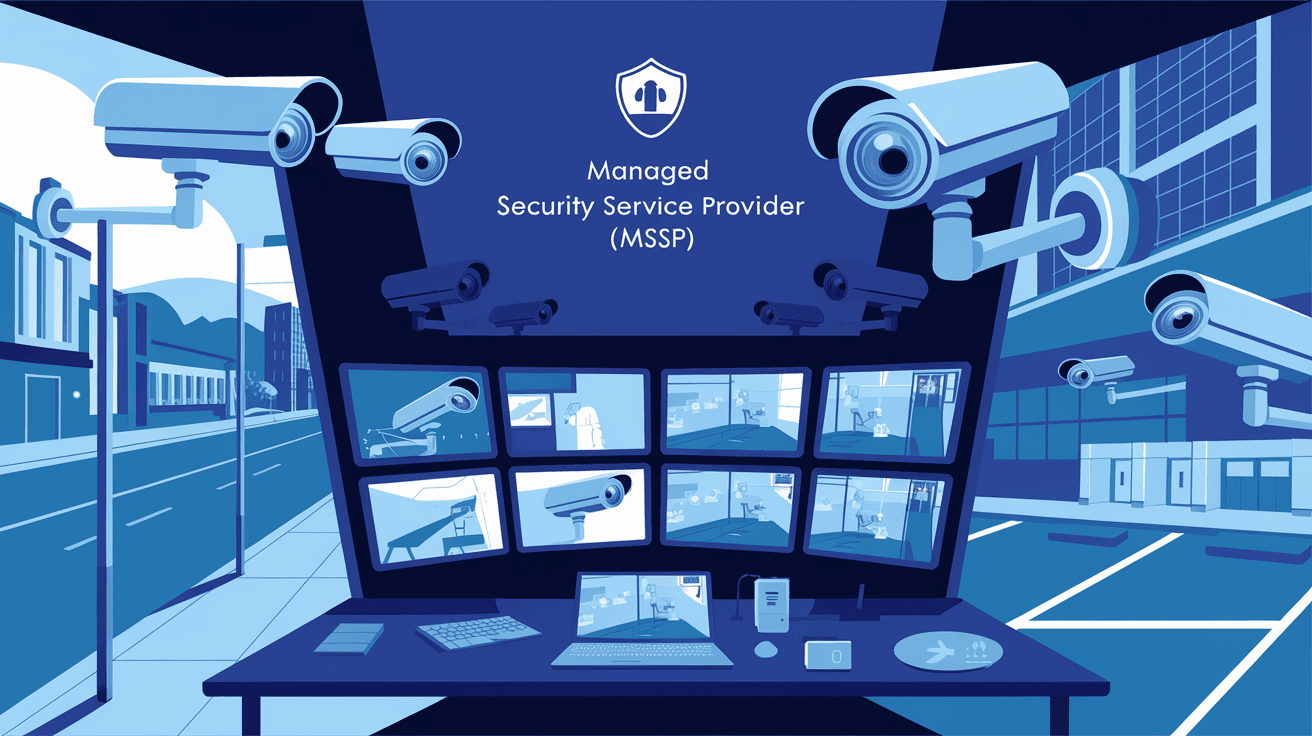
A Managed Security Service Provider (MSSP) is a company that offers outsourced cybersecurity services to businesses. Instead of handling security on your own, an MSSP takes care of monitoring, managing, and protecting your IT infrastructure from cyber threats.
MSSPs provide a wide range of security services, including:
- Continuous monitoring of networks and systems
- Threat detection and response
- Firewall management
- Vulnerability assessments
- Incident handling and reporting
By partnering with an MSSP, you get access to expert security teams and advanced tools without having to build your own in-house security department.
How Does an MSSP Work?
MSSPs use a combination of technology and skilled professionals to keep your business safe. Here’s how they typically operate:
- Assessment and Planning: The MSSP evaluates your current security posture and identifies risks.
- Implementation: They set up security tools like firewalls, intrusion detection systems, and antivirus software.
- Monitoring: MSSPs continuously watch your network for suspicious activity using Security Operations Centers (SOCs).
- Threat Detection: When a threat is detected, the MSSP investigates and determines the severity.
- Response: They respond to incidents by blocking attacks, removing malware, or alerting your team.
- Reporting: Regular reports keep you informed about your security status and any incidents.
This proactive approach helps prevent attacks before they cause damage.
Key Services Offered by MSSPs
MSSPs offer a variety of services tailored to meet different business needs. Some of the most common services include:
- Security Monitoring: 24/7 surveillance of your network to spot threats early.
- Firewall Management: Configuring and maintaining firewalls to control incoming and outgoing traffic.
- Intrusion Detection and Prevention: Identifying and stopping unauthorized access attempts.
- Vulnerability Management: Scanning systems to find and fix security weaknesses.
- Incident Response: Handling security breaches quickly to minimize damage.
- Compliance Management: Helping businesses meet industry regulations like GDPR or HIPAA.
- Threat Intelligence: Using data from global sources to anticipate new cyber threats.
These services help businesses stay secure without needing a large internal security team.
Benefits of Using an MSSP
Working with an MSSP offers many advantages, especially if you don’t have the resources or expertise to manage security yourself. Here are some key benefits:
- Cost Savings: Avoid the expense of hiring and training a full security team.
- Expertise: Gain access to cybersecurity professionals with specialized skills.
- 24/7 Protection: MSSPs provide round-the-clock monitoring to catch threats anytime.
- Advanced Tools: Benefit from the latest security technologies without buying them yourself.
- Scalability: Easily adjust security services as your business grows or changes.
- Regulatory Compliance: MSSPs help ensure you meet legal and industry standards.
- Focus on Core Business: Free up your team to focus on business goals instead of security.
These benefits make MSSPs a smart choice for many organizations.
Who Should Consider Using an MSSP?
Not every business needs an MSSP, but many can benefit from their services. Consider an MSSP if:
- You lack in-house cybersecurity expertise.
- Your business handles sensitive data like customer information or financial records.
- You want to improve your security posture quickly.
- You need to comply with strict regulations.
- Your IT team is already stretched thin.
- You want to reduce the risk of costly cyberattacks.
Small and medium-sized businesses often find MSSPs especially helpful because they can’t afford large security teams but still face serious cyber threats.
How to Choose the Right MSSP
Choosing the right MSSP is important to get the best protection for your business. Here are some tips to help you decide:
- Check Experience: Look for MSSPs with a proven track record in your industry.
- Evaluate Services: Make sure they offer the specific services you need.
- Ask About Technology: Find out what tools and platforms they use.
- Consider Response Times: Fast incident response is critical.
- Review Compliance Support: Ensure they understand relevant regulations.
- Look for Transparency: You should get clear reports and communication.
- Assess Pricing: Understand their pricing model and what’s included.
Taking time to research and compare MSSPs will help you find a partner that fits your needs.
Common Challenges When Working with MSSPs
While MSSPs offer many benefits, there are some challenges to keep in mind:
- Loss of Control: Outsourcing security means you rely on an external team.
- Communication Issues: Poor communication can delay incident response.
- Integration Problems: MSSP tools may not always fit well with your existing systems.
- Hidden Costs: Some MSSPs charge extra for certain services.
- Data Privacy Concerns: Sharing sensitive data with a third party requires trust.
To avoid these issues, establish clear agreements and maintain regular communication with your MSSP.
The Future of MSSPs
The cybersecurity landscape is always changing, and MSSPs are evolving to keep up. In 2026, MSSPs are focusing on:
- AI and Machine Learning: Using advanced algorithms to detect threats faster.
- Cloud Security: Helping businesses secure cloud environments as more move to cloud computing.
- Zero Trust Models: Implementing strict access controls to reduce insider threats.
- Automation: Streamlining routine tasks to improve efficiency.
- Threat Hunting: Proactively searching for hidden threats before they cause harm.
These trends mean MSSPs will continue to play a vital role in protecting businesses from cyber risks.
Conclusion
Now that you know what a Managed Security Service Provider (MSSP) is, you can see why many businesses rely on them for cybersecurity. MSSPs offer expert protection, 24/7 monitoring, and a wide range of services that help keep your data safe. Whether you’re a small business or a large enterprise, working with an MSSP can save you time, money, and stress.
Choosing the right MSSP means understanding your security needs and finding a partner that fits your business. As cyber threats grow more complex, MSSPs will continue to be an essential part of any strong security strategy. If you want to protect your business effectively, considering an MSSP is a smart step forward.
FAQs
What types of businesses use MSSPs?
Businesses of all sizes use MSSPs, but small to medium-sized companies and those handling sensitive data often benefit the most. MSSPs help organizations without large security teams manage risks effectively.
How much does it cost to hire an MSSP?
Costs vary based on services, company size, and complexity. Many MSSPs offer flexible pricing models, including monthly subscriptions or pay-as-you-go plans, making it affordable for different budgets.
Can MSSPs help with regulatory compliance?
Yes, MSSPs assist businesses in meeting regulations like GDPR, HIPAA, and PCI-DSS by providing compliance monitoring, reporting, and security controls aligned with legal requirements.
What is the difference between MSSP and Managed IT Service Provider?
An MSSP focuses specifically on cybersecurity services, while a Managed IT Service Provider (MSP) handles broader IT management like network support, hardware, and software maintenance.
How quickly can an MSSP respond to a security incident?
Most MSSPs offer 24/7 monitoring and aim to respond within minutes to hours, depending on the severity. Fast response helps minimize damage and recover systems quickly.




