
What is Managed Detection and Response
Introduction
You might have heard about Managed Detection and Response, or MDR, but wondered what it really means for your business or personal security. In today’s digital world, cyber threats are growing more complex and frequent. You need a way to detect and respond to these threats quickly and effectively.
That’s where MDR comes in. It’s a service designed to help you spot cyberattacks early and stop them before they cause damage. In this article, I’ll explain what MDR is, how it works, and why it’s becoming a must-have for organizations of all sizes.
What is Managed Detection and Response?
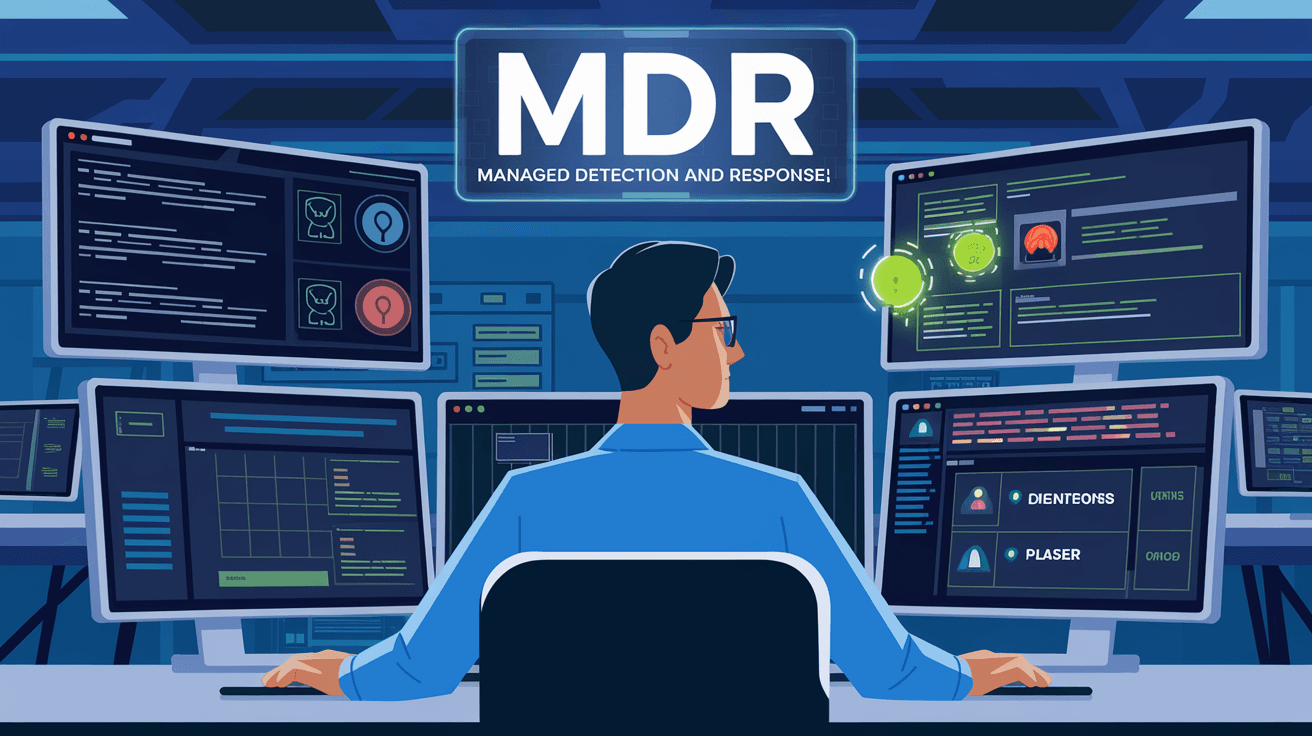
Managed Detection and Response (MDR) is a cybersecurity service that combines technology and human expertise to detect, analyze, and respond to cyber threats. Unlike traditional security tools that only alert you to potential problems, MDR actively investigates and takes action to stop attacks.
MDR providers use advanced tools like threat intelligence, machine learning, and behavioral analytics to monitor your network 24/7. When they find suspicious activity, security experts step in to analyze the threat and respond quickly.
Key Features of MDR
- Continuous Monitoring: MDR services watch your systems around the clock.
- Threat Detection: They identify known and unknown threats using advanced analytics.
- Incident Response: Experts investigate alerts and take action to contain threats.
- Threat Hunting: Proactively searching for hidden threats before they cause harm.
- Reporting and Compliance: Providing detailed reports to help with audits and regulations.
MDR is designed to fill the gaps left by traditional security tools and internal teams, especially for organizations that lack the resources to maintain a full security operations center (SOC).
How Does Managed Detection and Response Work?
MDR works by combining technology and human skills to protect your digital environment. Here’s a simple breakdown of the process:
1. Data Collection
MDR platforms collect data from various sources such as endpoints, servers, cloud environments, and network traffic. This data includes logs, alerts, and system events.
2. Threat Detection
Using machine learning and behavioral analytics, the system scans the data to identify unusual patterns or activities that may indicate a cyberattack.
3. Alert Triage
When a potential threat is detected, MDR analysts review the alert to determine its severity and legitimacy. This step reduces false positives and focuses on real risks.
4. Incident Investigation
If the alert is confirmed as a threat, the MDR team investigates further to understand the attack’s scope and impact.
5. Response and Mitigation
The team takes action to contain and neutralize the threat. This can include isolating affected devices, blocking malicious IPs, or removing malware.
6. Reporting and Recommendations
After resolving the incident, MDR providers deliver detailed reports and suggest improvements to prevent future attacks.
Benefits of This Approach
- Faster detection and response times.
- Reduced workload for your internal IT team.
- Access to cybersecurity experts without hiring full-time staff.
- Continuous improvement through threat intelligence updates.
Why is Managed Detection and Response Important?
Cyber threats are evolving rapidly. Attackers use sophisticated techniques that can bypass traditional security tools. MDR helps you stay ahead by providing:
1. Proactive Threat Hunting
Instead of waiting for alerts, MDR teams actively search for hidden threats. This reduces the chance of attackers staying undetected for long periods.
2. 24/7 Security Coverage
Cyberattacks can happen anytime. MDR services monitor your systems all day and night, ensuring no threat goes unnoticed.
3. Expert Analysis and Response
MDR providers have skilled analysts who understand the latest attack methods. They can quickly assess threats and respond effectively.
4. Cost-Effective Security
Building an in-house SOC is expensive and requires specialized staff. MDR offers a more affordable way to get expert protection.
5. Compliance Support
Many industries require strict security standards. MDR services help you meet these requirements with detailed reporting and audit support.
Who Should Use Managed Detection and Response?
MDR is valuable for a wide range of organizations, including:
- Small and Medium Businesses (SMBs): Often lack the budget or staff for full-time cybersecurity teams.
- Enterprises: Need to supplement existing security operations with advanced detection and response.
- Healthcare Providers: Must protect sensitive patient data and comply with regulations like HIPAA.
- Financial Institutions: Face constant threats and require rapid incident response.
- Government Agencies: Need to secure critical infrastructure and sensitive information.
If you want to improve your security posture without investing heavily in new technology or staff, MDR is a smart choice.
How to Choose the Right MDR Provider
Selecting the right MDR service can be challenging. Here are some tips to help you decide:
1. Understand Your Needs
Assess your current security gaps and what you want from an MDR service. Consider your industry, compliance requirements, and risk level.
2. Look for Proven Technology
Choose providers that use advanced detection tools like AI, machine learning, and behavioral analytics.
3. Check Response Capabilities
Make sure the provider offers real-time incident response and has skilled analysts available 24/7.
4. Evaluate Reporting and Transparency
You should receive clear, detailed reports and have access to your security data.
5. Consider Integration
The MDR service should work well with your existing security tools and IT infrastructure.
6. Review Customer Support
Good communication and support are essential, especially during incidents.
Common Challenges with MDR and How to Overcome Them
While MDR offers many benefits, there are some challenges to keep in mind:
Challenge 1: False Positives
Too many alerts can overwhelm your team. Choose an MDR provider with strong alert triage to reduce noise.
Challenge 2: Integration Issues
MDR tools must fit into your current environment. Work closely with the provider to ensure smooth integration.
Challenge 3: Data Privacy Concerns
Sharing sensitive data with a third party can be risky. Verify the provider’s security policies and compliance certifications.
Challenge 4: Cost Management
MDR services vary in price. Balance cost with the level of protection you need.
By addressing these challenges upfront, you can get the most value from your MDR investment.
The Future of Managed Detection and Response
MDR is evolving rapidly to keep pace with new cyber threats. Here’s what to expect:
- More Automation: AI will handle routine tasks, freeing analysts to focus on complex threats.
- Integration with Zero Trust: MDR will support zero trust security models by continuously verifying user and device behavior.
- Cloud-Native MDR: As more businesses move to the cloud, MDR services will adapt to protect cloud environments better.
- Threat Intelligence Sharing: MDR providers will collaborate more to share threat data and improve detection.
- Customized Services: MDR will offer tailored solutions based on industry and organizational needs.
Staying informed about these trends will help you choose the best MDR strategy for your future security.
Conclusion
Managed Detection and Response is a powerful way to protect your organization from today’s complex cyber threats. By combining advanced technology with expert human analysis, MDR helps you detect attacks early and respond quickly. This service is especially useful if you don’t have the resources to build a full security team.
Choosing the right MDR provider means understanding your needs, evaluating technology, and ensuring good support. As cyber threats continue to grow, MDR will play a crucial role in keeping your data and systems safe. If you want peace of mind and stronger security, MDR is worth considering.
FAQs
What is the difference between MDR and traditional antivirus?
MDR goes beyond antivirus by continuously monitoring, detecting, and responding to threats using advanced analytics and human experts. Antivirus mainly focuses on blocking known malware.
Can MDR services prevent all cyberattacks?
No service can guarantee 100% prevention. MDR reduces risk by detecting and responding quickly, minimizing damage from attacks.
How quickly does MDR respond to threats?
MDR providers typically offer real-time or near-real-time response, often within minutes of detecting a threat.
Is MDR suitable for small businesses?
Yes, MDR is ideal for small businesses that lack in-house cybersecurity teams but want expert protection.
Does MDR help with regulatory compliance?
Yes, MDR services provide detailed reports and support to help meet industry regulations and standards.




