
What is Man in the Middle Attack
Introduction
You might have heard about cyberattacks but wondered what a Man in the Middle attack really means. It’s one of the sneakiest ways hackers steal your information without you even noticing. Understanding this attack helps you stay safer online.
In this article, I’ll explain what a Man in the Middle attack is, how it works, and what you can do to protect yourself. By the end, you’ll know how to spot this threat and keep your data secure.
What is a Man in the Middle Attack?
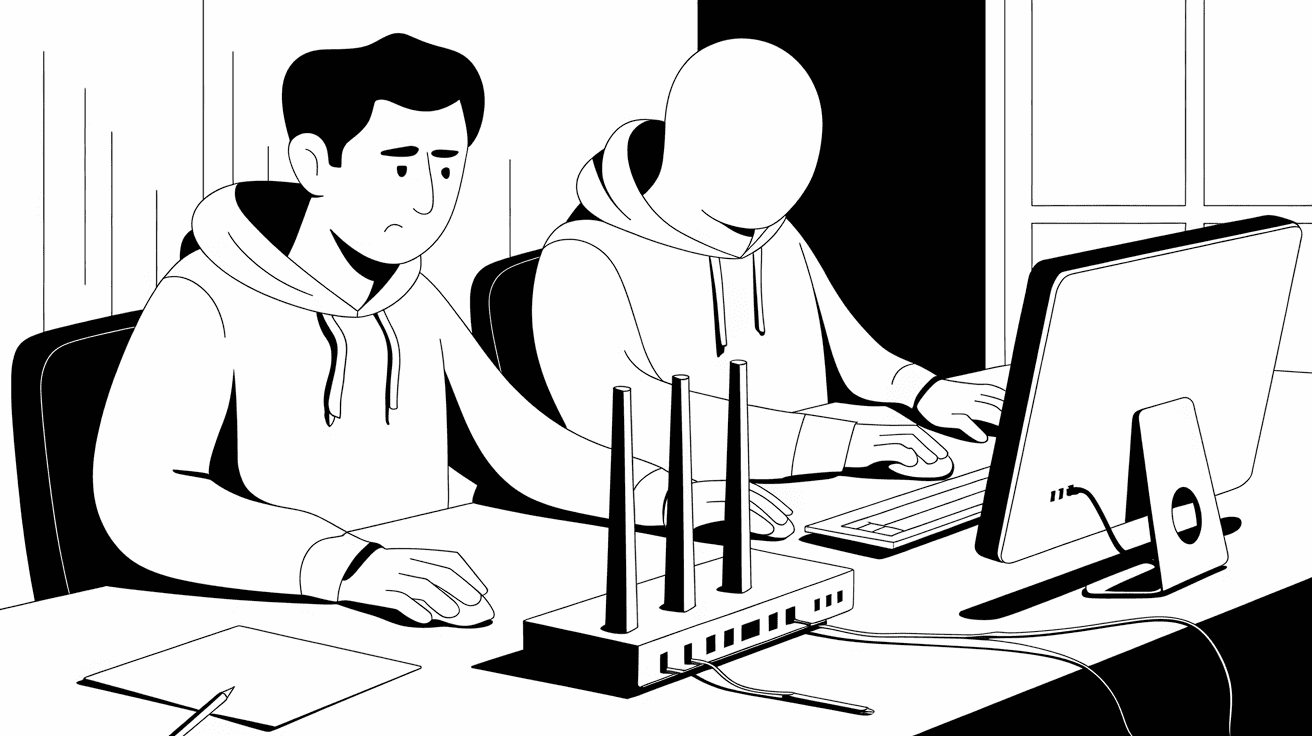
A Man in the Middle (MITM) attack happens when a hacker secretly intercepts communication between two parties. Imagine you’re talking to a friend, but someone else is secretly listening and even changing what you say without either of you knowing.
This attack lets hackers steal sensitive information like passwords, credit card numbers, or private messages. They can also alter the data being sent, causing confusion or harm.
How Does It Work?
- The attacker inserts themselves between two communicating parties.
- They intercept messages sent back and forth.
- The attacker can read, modify, or block the messages.
- Neither party realizes their communication is compromised.
This makes MITM attacks very dangerous because they happen silently and can go unnoticed for a long time.
Common Types of Man in the Middle Attacks
There are several ways hackers carry out MITM attacks. Here are some common types:
1. Wi-Fi Eavesdropping
Hackers set up fake Wi-Fi hotspots in public places like cafes or airports. When you connect, they capture all the data you send and receive.
- They can steal login details or credit card info.
- Fake hotspots often have names similar to real ones.
2. Session Hijacking
In this attack, hackers steal your session cookies after you log into a website. Cookies keep you logged in, so stealing them lets attackers access your account without your password.
3. Email Hijacking
Hackers gain access to your email account and monitor or alter messages. This can lead to identity theft or fraud.
4. DNS Spoofing
The attacker changes DNS records to redirect you to fake websites. You think you’re visiting a trusted site, but it’s controlled by the hacker.
How to Recognize a Man in the Middle Attack
Spotting a MITM attack can be tricky, but some signs may alert you:
- Unexpected pop-ups asking for login info.
- Browser warnings about insecure websites.
- Sudden disconnections from Wi-Fi networks.
- Unusual activity in your online accounts.
If you notice these, it’s best to stop using the network and check your device for malware.
Real-World Examples of Man in the Middle Attacks
MITM attacks have caused major problems worldwide. Here are a few examples:
- In 2024, a fake Wi-Fi hotspot in a busy airport stole credit card data from hundreds of travelers.
- Hackers intercepted emails between companies to steal trade secrets.
- Attackers used DNS spoofing to redirect users to fake banking sites, stealing login credentials.
These cases show how important it is to stay alert and protect your data.
How to Protect Yourself from Man in the Middle Attacks
You can take several steps to reduce the risk of MITM attacks:
Use Secure Connections
- Always use websites with HTTPS, which encrypts data.
- Avoid public Wi-Fi for sensitive activities like banking.
Use a VPN
A Virtual Private Network (VPN) encrypts your internet traffic, making it harder for attackers to intercept your data.
Keep Software Updated
Regular updates fix security flaws that hackers exploit.
Enable Two-Factor Authentication (2FA)
2FA adds an extra layer of security by requiring a second form of verification.
Be Careful with Emails and Links
- Don’t click on suspicious links.
- Verify the sender’s email address.
Use Strong, Unique Passwords
This limits damage if one account is compromised.
Tools and Technologies to Detect and Prevent MITM Attacks
Security experts use various tools to detect and stop MITM attacks:
- Intrusion Detection Systems (IDS): Monitor network traffic for unusual activity.
- SSL/TLS Certificates: Ensure websites encrypt data properly.
- Public Key Infrastructure (PKI): Helps verify identities online.
- Security Awareness Training: Educates users about phishing and other threats.
Using these tools helps organizations protect their networks and users.
What to Do If You Suspect a Man in the Middle Attack
If you think you’re a victim of a MITM attack, act quickly:
- Disconnect from the internet immediately.
- Change your passwords from a secure device.
- Run a full antivirus scan.
- Notify your bank if financial info was involved.
- Report the incident to your IT department or authorities.
Taking these steps can limit damage and help recover your security.
Conclusion
Man in the Middle attacks are a serious threat that can steal your personal information without you knowing. By understanding how these attacks work, you can better protect yourself online. Always use secure connections, avoid public Wi-Fi for sensitive tasks, and keep your devices updated.
Remember, staying cautious and using tools like VPNs and two-factor authentication can make a big difference. Protecting your data is easier when you know what to watch for and how to respond. Stay safe out there!
FAQs
What is the main goal of a Man in the Middle attack?
The main goal is to secretly intercept and possibly alter communication between two parties to steal information or cause harm without being detected.
Can a Man in the Middle attack happen on mobile devices?
Yes, mobile devices are vulnerable, especially when connected to unsecured Wi-Fi networks or using outdated apps.
How does HTTPS protect against MITM attacks?
HTTPS encrypts data between your browser and the website, making it difficult for attackers to read or alter the information.
Is using a VPN enough to prevent Man in the Middle attacks?
A VPN greatly reduces risk by encrypting your traffic, but combining it with other security measures is best for full protection.
What should I do if I connect to a suspicious Wi-Fi network?
Disconnect immediately, avoid entering sensitive info, and scan your device for malware to stay safe.




