
What is Layer 3 Switch Security
Introduction
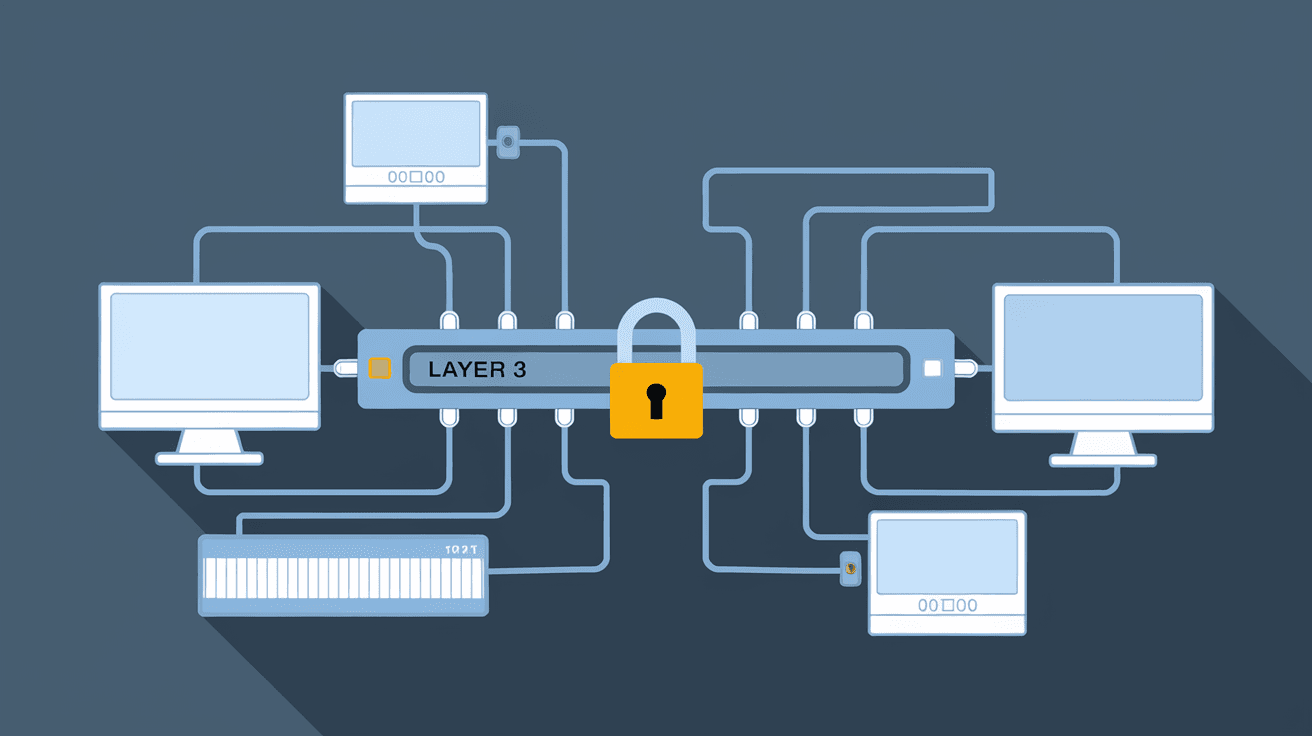
When you think about network security, you might picture firewalls or antivirus software. But did you know that Layer 3 switches play a crucial role in keeping your network safe? Layer 3 switch security is all about protecting data as it moves through your network, ensuring that only authorized devices communicate with each other.
In this article, I’ll guide you through what Layer 3 switch security means, how it works, and why it’s important for your network’s safety. Whether you manage a small office or a large enterprise, understanding this concept can help you build a stronger, more secure network.
What is a Layer 3 Switch?
A Layer 3 switch is a network device that combines the functions of a traditional switch and a router. Unlike Layer 2 switches, which only handle data at the MAC address level, Layer 3 switches can route data based on IP addresses.
Here’s what makes Layer 3 switches special:
- Routing Capabilities: They can make decisions about where to send data packets based on IP addresses.
- High Speed: They operate at wire speed, meaning they can route traffic quickly without slowing down the network.
- Multiple Functions: They handle both switching within a local network and routing between different networks.
Because of these features, Layer 3 switches are often used in large networks where efficient data routing and security are essential.
Why is Security Important for Layer 3 Switches?
Layer 3 switches manage traffic between different network segments. This makes them a critical point for enforcing security policies. If a Layer 3 switch is compromised, attackers could intercept or redirect sensitive data.
Here’s why security on Layer 3 switches matters:
- Traffic Control: They control data flow between VLANs (Virtual Local Area Networks), so securing them prevents unauthorized access.
- Access Management: They can restrict which devices communicate across networks.
- Threat Prevention: Proper security settings help block attacks like IP spoofing or man-in-the-middle attacks.
Without strong security on Layer 3 switches, your entire network could be vulnerable to breaches.
Key Security Features of Layer 3 Switches
Layer 3 switches come with several built-in security features that help protect your network. Understanding these features can help you configure your switch for maximum safety.
Access Control Lists (ACLs)
ACLs are rules that control which traffic is allowed or denied through the switch. They filter packets based on IP addresses, protocols, or ports.
- Example: You can block traffic from suspicious IP addresses or restrict access to sensitive servers.
- Benefit: ACLs help prevent unauthorized access and reduce the risk of attacks.
VLAN Segmentation
VLANs divide a network into smaller segments, isolating traffic between groups of devices.
- Example: Separate your guest Wi-Fi from your corporate network.
- Benefit: Limits the spread of malware and controls who can access certain resources.
Routing Protocol Security
Layer 3 switches use routing protocols like OSPF or EIGRP to share routing information. Securing these protocols prevents attackers from injecting false routes.
- Methods: Use authentication for routing updates.
- Benefit: Ensures only trusted devices share routing information.
DHCP Snooping
DHCP snooping protects against rogue DHCP servers that can assign incorrect IP addresses.
- How it works: The switch monitors DHCP messages and blocks unauthorized servers.
- Benefit: Prevents attackers from redirecting traffic or causing network disruptions.
IP Source Guard
This feature blocks packets with spoofed IP addresses.
- How it works: The switch checks if the source IP matches the assigned IP for a port.
- Benefit: Stops IP spoofing attacks that can lead to data interception.
Dynamic ARP Inspection (DAI)
DAI prevents ARP spoofing attacks by verifying ARP packets.
- How it works: The switch inspects ARP requests and responses against a trusted database.
- Benefit: Protects against man-in-the-middle attacks.
How to Implement Layer 3 Switch Security
Securing a Layer 3 switch involves configuring its features properly and following best practices. Here’s a step-by-step approach:
Plan Your Network Segmentation
- Define VLANs based on departments or functions.
- Isolate sensitive systems from general users.
Configure Access Control Lists
- Create ACLs to allow only necessary traffic.
- Deny all other traffic by default.
Enable DHCP Snooping and IP Source Guard
- Activate DHCP snooping on all VLANs.
- Enable IP source guard on user ports.
Set Up Dynamic ARP Inspection
- Enable DAI on VLANs where ARP spoofing is a risk.
- Maintain an accurate ARP inspection database.
Secure Routing Protocols
- Use authentication for routing updates.
- Limit routing protocol access to trusted devices.
Regularly Update Firmware
- Keep your switch’s software up to date to patch vulnerabilities.
Monitor Network Traffic
- Use logging and alerts to detect suspicious activity.
Common Threats Layer 3 Switch Security Protects Against
Understanding the threats helps you appreciate why Layer 3 switch security is vital. Here are some common attacks Layer 3 switch security can defend against:
- IP Spoofing: Attackers send packets with fake IP addresses to bypass security.
- ARP Spoofing: Fake ARP messages redirect traffic to the attacker.
- Rogue DHCP Servers: Unauthorized DHCP servers assign incorrect IPs.
- Unauthorized Access: Without ACLs, attackers can access restricted areas.
- Routing Attacks: Fake routing updates can disrupt network traffic.
By enabling the right security features, you can block these threats and keep your network safe.
Benefits of Layer 3 Switch Security for Your Network
Investing time in Layer 3 switch security brings several advantages:
- Improved Network Performance: Proper segmentation reduces unnecessary traffic.
- Enhanced Data Protection: Sensitive information stays within authorized areas.
- Reduced Attack Surface: Security features block common network attacks.
- Simplified Management: Centralized control over traffic and access.
- Compliance Support: Helps meet industry security standards.
These benefits make Layer 3 switch security a smart choice for any organization.
Challenges in Layer 3 Switch Security
While Layer 3 switch security is powerful, it comes with challenges:
- Complex Configuration: Setting up ACLs and VLANs requires careful planning.
- Ongoing Maintenance: Security settings need regular updates and monitoring.
- Potential Performance Impact: Overly strict rules can slow down traffic.
- Skill Requirements: Network admins must understand advanced security concepts.
Being aware of these challenges helps you prepare and manage your network effectively.
Future Trends in Layer 3 Switch Security
As networks evolve, Layer 3 switch security is also advancing. Here are some trends to watch:
- Integration with AI: Using artificial intelligence to detect and respond to threats faster.
- Zero Trust Networking: Enforcing strict identity verification for every device.
- Cloud-Managed Switches: Centralized security management through cloud platforms.
- Enhanced Automation: Automating security policies to reduce human error.
- Support for IoT Devices: Securing a growing number of connected devices.
Staying updated on these trends will help you keep your network secure in the future.
Conclusion
Layer 3 switch security is a vital part of modern network protection. By combining routing and switching with strong security features, these devices help control traffic, prevent attacks, and protect sensitive data. Whether you’re managing a small office or a large enterprise, understanding and implementing Layer 3 switch security can make your network safer and more efficient.
Remember, securing your Layer 3 switches is not a one-time task. It requires ongoing attention, updates, and monitoring. But with the right approach, you can build a network that stands strong against today’s cyber threats.
FAQs
What is the main difference between Layer 2 and Layer 3 switches?
Layer 2 switches operate at the data link layer and forward traffic based on MAC addresses. Layer 3 switches operate at the network layer and can route traffic based on IP addresses, combining switching and routing functions.
How do Access Control Lists (ACLs) enhance Layer 3 switch security?
ACLs filter network traffic by allowing or denying packets based on IP addresses, protocols, or ports. This helps prevent unauthorized access and controls which devices can communicate across the network.
Can Layer 3 switches prevent IP spoofing attacks?
Yes, features like IP Source Guard on Layer 3 switches check if the source IP address matches the assigned IP for a port, blocking packets with spoofed IP addresses and preventing IP spoofing attacks.
Why is VLAN segmentation important for network security?
VLAN segmentation isolates different groups of devices within a network. This limits the spread of malware and restricts access to sensitive resources, enhancing overall network security.
How often should Layer 3 switch security settings be reviewed?
Security settings should be reviewed regularly, at least quarterly or whenever there are network changes. Regular reviews ensure that configurations remain effective against evolving threats.




