
What is Key Management Policy
Introduction
When you hear the term "Key Management Policy," you might wonder what it really means and why it’s important. If you’re responsible for data security or work with encryption, understanding this policy is essential. It helps you protect sensitive information by managing encryption keys properly.
In this article, I’ll explain what a Key Management Policy is, why your organization needs one, and how it works. You’ll also learn best practices and common challenges to watch out for. By the end, you’ll see how this policy plays a crucial role in keeping your data safe.
What is a Key Management Policy?
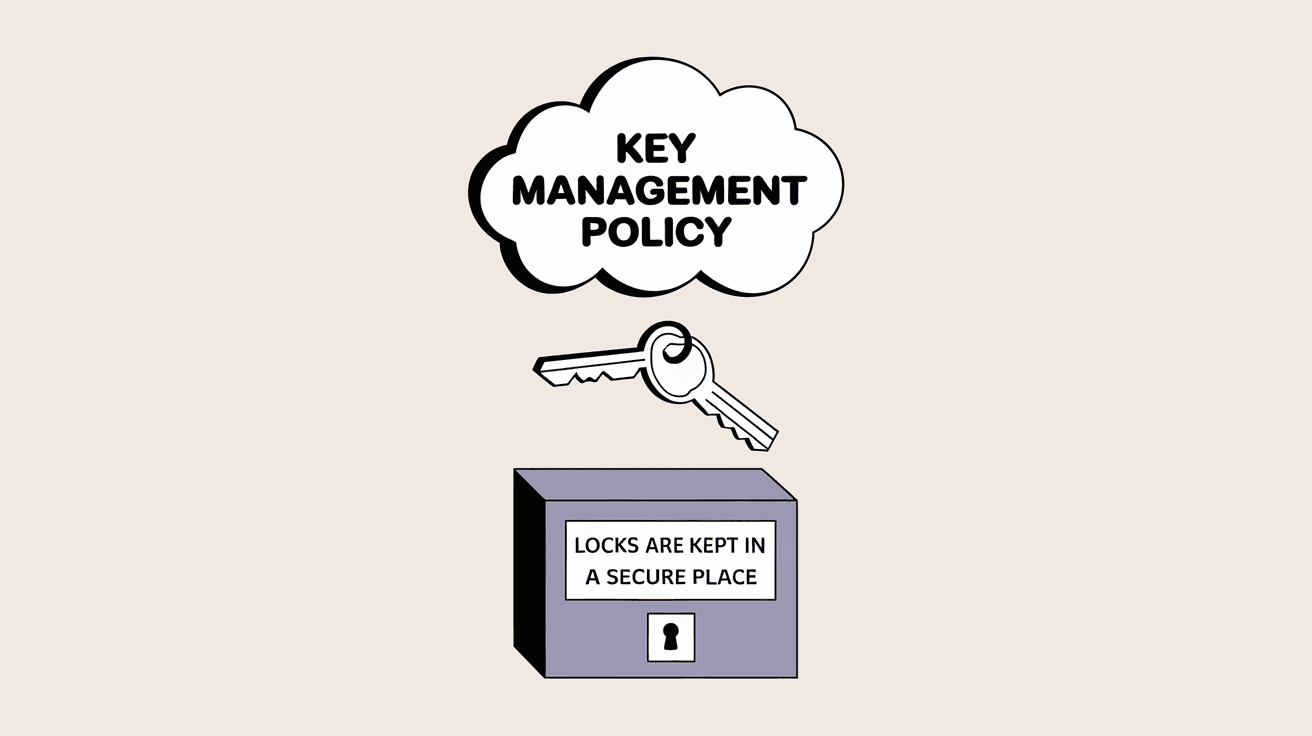
A Key Management Policy is a formal set of rules and procedures that guide how an organization handles its encryption keys. Encryption keys are like digital passwords that lock and unlock sensitive data. Without proper management, these keys can be lost, stolen, or misused, leading to serious security risks.
This policy defines how keys are created, stored, distributed, used, and destroyed. It ensures that only authorized people can access the keys and that they are protected throughout their lifecycle. The goal is to maintain confidentiality, integrity, and availability of encrypted data.
Key Elements of a Key Management Policy
- Key Generation: How and where keys are created.
- Key Storage: Secure methods for storing keys.
- Key Distribution: How keys are shared with authorized users.
- Key Usage: Rules on how keys should be used.
- Key Rotation: When and how keys are changed.
- Key Revocation: How to invalidate keys that are compromised.
- Key Destruction: Secure deletion of keys no longer needed.
Why is a Key Management Policy Important?
You might think encryption alone is enough to protect your data, but without a strong Key Management Policy, encryption can fail. Here’s why having this policy matters:
- Prevents Data Breaches: Proper key management stops unauthorized access to encrypted data.
- Ensures Compliance: Many regulations like GDPR, HIPAA, and PCI DSS require secure key management.
- Reduces Operational Risks: Avoids loss of keys that could lock you out of your own data.
- Supports Incident Response: Helps quickly revoke or replace keys if a breach occurs.
- Builds Trust: Shows customers and partners that you take data security seriously.
How Does a Key Management Policy Work?
A Key Management Policy works by setting clear guidelines that everyone in your organization must follow. It usually involves a combination of technology, processes, and people.
Technology
- Hardware Security Modules (HSMs): Physical devices that generate and store keys securely.
- Key Management Systems (KMS): Software platforms that automate key lifecycle management.
- Access Controls: Systems that restrict who can use or view keys.
Processes
- Regular Audits: Checking that keys are managed according to policy.
- Key Rotation Schedules: Changing keys periodically to reduce risk.
- Incident Handling: Procedures for responding to key compromise.
People
- Training: Educating staff about key management responsibilities.
- Role Assignments: Defining who can create, use, or revoke keys.
- Accountability: Tracking actions related to key management.
Best Practices for Creating a Key Management Policy
Creating an effective Key Management Policy involves careful planning and ongoing management. Here are some best practices to help you get started:
- Define Clear Roles: Assign responsibilities for key management tasks.
- Use Strong Encryption Algorithms: Ensure keys protect data with modern standards.
- Implement Multi-Factor Authentication: Protect access to key management systems.
- Automate Key Rotation: Reduce human error by scheduling automatic key changes.
- Document Everything: Keep detailed records of key creation, usage, and destruction.
- Test Your Policy: Regularly review and update your policy to address new threats.
- Limit Key Access: Follow the principle of least privilege to minimize risk.
Common Challenges in Key Management
Managing encryption keys is not without its difficulties. Here are some common challenges organizations face:
- Key Loss: Losing keys can make encrypted data inaccessible.
- Insider Threats: Employees with access to keys might misuse them.
- Complex Environments: Managing keys across multiple systems and cloud services.
- Compliance Pressure: Keeping up with changing regulations.
- Scalability: Handling a growing number of keys as the organization expands.
Addressing these challenges requires a combination of strong policies, technology, and training.
Key Management Policy in Cloud Environments
With more organizations moving to the cloud, key management has become even more critical. Cloud providers offer key management services, but you still need a policy to govern how keys are handled.
Cloud Key Management Considerations
- Shared Responsibility: Understand what your cloud provider manages and what you control.
- Bring Your Own Key (BYOK): Some providers let you generate and control your own keys.
- Key Access Controls: Ensure only authorized users can access cloud keys.
- Audit Trails: Use logging to monitor key usage in the cloud.
- Data Residency: Consider where keys and data are stored geographically.
A strong Key Management Policy helps you maintain control and security in cloud environments.
Examples of Key Management Policies
Different organizations tailor their Key Management Policies based on their needs. Here are a few examples of what these policies might include:
- Financial Institution: Requires hardware security modules and quarterly key rotation.
- Healthcare Provider: Enforces strict access controls and compliance with HIPAA.
- E-commerce Company: Uses automated key rotation and multi-factor authentication.
- Government Agency: Implements detailed audit logs and key destruction protocols.
Each policy reflects the organization's risk tolerance, regulatory requirements, and technical environment.
Conclusion
Understanding what a Key Management Policy is and why it matters is vital for protecting your organization’s data. This policy ensures encryption keys are handled securely throughout their lifecycle, reducing the risk of data breaches and compliance failures.
By following best practices and addressing common challenges, you can create a strong Key Management Policy that fits your needs. Whether you operate on-premises or in the cloud, this policy is a cornerstone of your overall data security strategy.
FAQs
What is the main purpose of a Key Management Policy?
Its main purpose is to establish rules and procedures for securely handling encryption keys to protect sensitive data from unauthorized access or loss.
How often should encryption keys be rotated?
Keys should be rotated regularly, often every 90 days or according to your organization’s risk assessment and compliance requirements.
Can cloud providers manage encryption keys for me?
Yes, many cloud providers offer key management services, but you still need a policy to govern how keys are controlled and accessed.
What happens if encryption keys are lost?
If keys are lost, encrypted data may become permanently inaccessible, which is why secure backup and recovery processes are critical.
Who should be responsible for key management in an organization?
Key management roles should be clearly assigned to trained personnel with defined responsibilities and limited access based on the principle of least privilege.




