
What is IT Compliance Assessment
Introduction
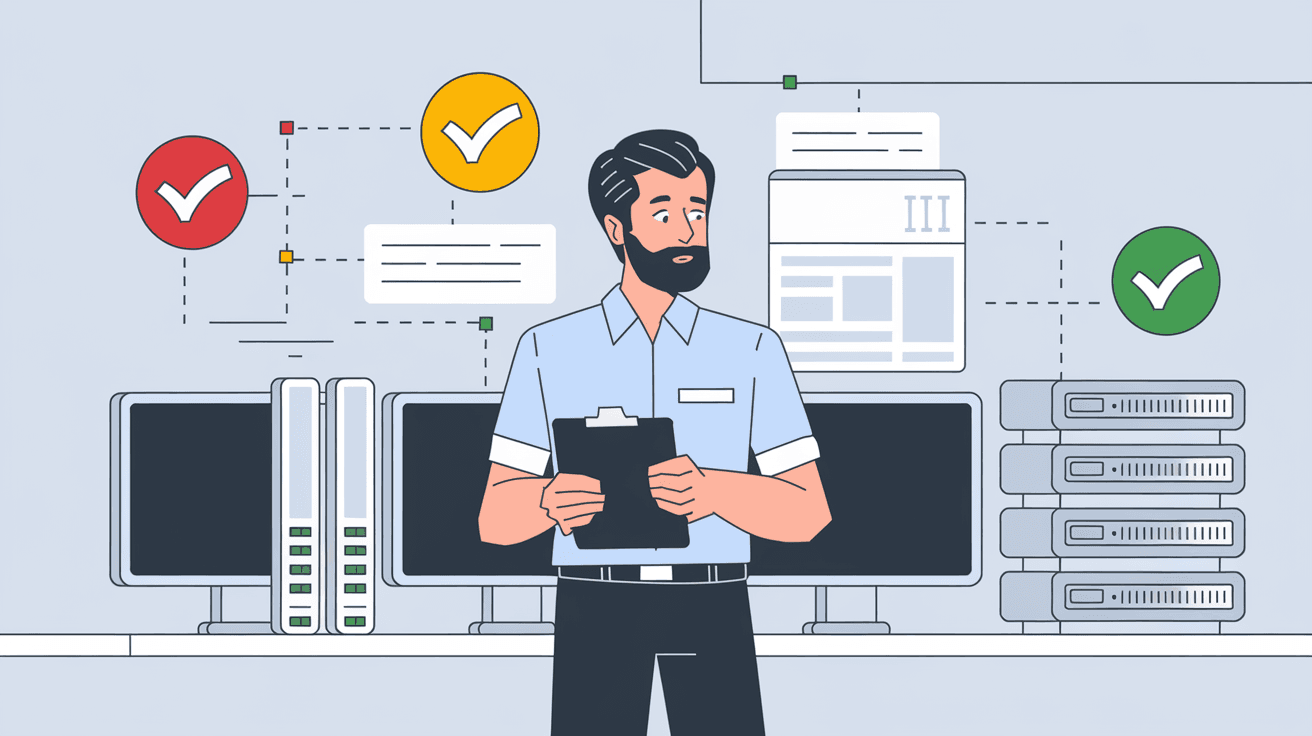
When you hear the term IT compliance assessment, you might wonder what it really means for your business. In simple terms, it’s a process that helps you check if your IT systems and processes follow the rules set by laws, industry standards, or company policies. These rules are designed to protect data, ensure security, and keep your business running smoothly.
You might think compliance is just about avoiding fines, but it’s much more than that. It helps you build trust with customers, reduce risks, and improve your overall IT management. In this article, I’ll explain what IT compliance assessment is, why it’s important, and how you can carry one out effectively.
What is IT Compliance Assessment?
IT compliance assessment is a systematic review of your information technology environment to ensure it meets specific regulatory, legal, or internal standards. This process involves checking your IT infrastructure, policies, and procedures against a set of requirements.
Key Elements of IT Compliance Assessment
- Regulatory Requirements: These include laws like GDPR, HIPAA, or SOX that govern how data must be handled.
- Industry Standards: Frameworks such as ISO 27001, NIST, or PCI DSS provide guidelines for security and data protection.
- Internal Policies: Company-specific rules that ensure IT practices align with business goals and risk management.
The goal is to identify gaps or weaknesses that could lead to security breaches, legal penalties, or operational failures. By conducting these assessments regularly, you keep your IT environment secure and compliant.
Why IT Compliance Assessment Matters
Understanding why IT compliance assessment is crucial can help you prioritize it in your business strategy. Here are some reasons why it matters:
- Protects Sensitive Data: Compliance ensures that personal and business data is handled securely.
- Avoids Legal Penalties: Non-compliance can lead to hefty fines and legal actions.
- Builds Customer Trust: Customers feel safer knowing their data is protected.
- Improves Security Posture: Identifies vulnerabilities before attackers exploit them.
- Supports Business Continuity: Helps maintain smooth operations by managing IT risks.
For example, companies in healthcare must comply with HIPAA to protect patient information. Failing to do so can result in severe penalties and loss of reputation.
Common IT Compliance Frameworks and Standards
There are many frameworks and standards that organizations follow during IT compliance assessments. Here are some of the most common ones:
| Framework/Standard | Purpose | Industry Focus |
| GDPR | Protects personal data of EU citizens | All industries |
| HIPAA | Secures healthcare information | Healthcare |
| PCI DSS | Protects payment card data | Retail, Finance |
| ISO 27001 | Information security management system | All industries |
| NIST | Cybersecurity framework | Government, Tech |
| SOX | Financial reporting and controls | Public companies |
Each framework has specific controls and requirements that your IT systems must meet. The choice depends on your industry, location, and business needs.
How to Conduct an IT Compliance Assessment
Conducting an IT compliance assessment involves several clear steps. Here’s a simple guide you can follow:
1. Identify Applicable Regulations and Standards
Start by understanding which laws and standards apply to your business. This depends on your industry, location, and the type of data you handle.
2. Define the Scope of Assessment
Decide which parts of your IT environment will be assessed. This could include networks, servers, applications, and data storage.
3. Gather Documentation and Policies
Collect all relevant IT policies, procedures, and previous audit reports. This helps you understand your current compliance status.
4. Perform Risk Assessment
Identify potential risks and vulnerabilities in your IT systems. This step helps prioritize areas that need attention.
5. Conduct Technical and Process Audits
Review your IT infrastructure and processes against the compliance requirements. This may involve scanning for vulnerabilities, checking access controls, and reviewing logs.
6. Document Findings and Gaps
Record any areas where your IT environment does not meet compliance standards. Be specific about the risks and potential impacts.
7. Develop a Remediation Plan
Create a plan to fix the gaps found during the assessment. Assign responsibilities and set deadlines for corrective actions.
8. Report to Stakeholders
Share the assessment results and remediation plan with management and relevant teams. Transparency helps ensure support and resources.
9. Monitor and Review Regularly
Compliance is an ongoing process. Schedule regular assessments to keep up with changing regulations and evolving IT environments.
Tools and Technologies for IT Compliance Assessment
Using the right tools can make your IT compliance assessment more efficient and accurate. Here are some popular options:
- Vulnerability Scanners: Tools like Nessus or Qualys scan your network for security weaknesses.
- Compliance Management Software: Platforms such as LogicGate or MetricStream help track compliance status and manage workflows.
- Audit Management Tools: Software like AuditBoard or Netwrix simplifies audit documentation and reporting.
- Policy Management Systems: These help create, distribute, and update IT policies consistently.
- Security Information and Event Management (SIEM): Tools like Splunk or IBM QRadar monitor security events in real-time.
Choosing the right combination depends on your organization’s size, budget, and compliance requirements.
Challenges in IT Compliance Assessment
While IT compliance assessment is essential, it comes with challenges you should be aware of:
- Complex Regulations: Laws and standards can be difficult to interpret and apply.
- Rapid Technology Changes: New technologies may introduce unknown risks.
- Resource Constraints: Smaller businesses may lack skilled staff or budget.
- Data Volume: Large amounts of data make thorough assessment harder.
- Integration Issues: Aligning compliance with existing IT processes can be tricky.
To overcome these, consider training your team, using automated tools, and seeking expert advice when needed.
Benefits of Regular IT Compliance Assessments
Regular IT compliance assessments offer many benefits beyond just meeting legal requirements:
- Early Detection of Risks: Spot problems before they escalate.
- Improved IT Governance: Clear policies and controls enhance decision-making.
- Cost Savings: Avoid fines and reduce the impact of security incidents.
- Competitive Advantage: Demonstrate commitment to security and privacy.
- Employee Awareness: Promote a culture of compliance and responsibility.
By making assessments a routine part of your IT management, you protect your business and build a stronger foundation for growth.
Conclusion
IT compliance assessment is a vital process that helps you ensure your IT systems meet legal, regulatory, and internal standards. It protects your data, reduces risks, and builds trust with customers and partners. By understanding the frameworks, following a clear assessment process, and using the right tools, you can keep your business secure and compliant.
Remember, compliance is not a one-time task but an ongoing effort. Regular assessments help you stay ahead of risks and adapt to new challenges. Whether you’re a small business or a large enterprise, investing in IT compliance assessment is a smart move for your future.
FAQs
What is the main goal of an IT compliance assessment?
The main goal is to verify that your IT systems and processes follow relevant laws, standards, and policies to protect data and reduce risks.
How often should IT compliance assessments be conducted?
It depends on your industry and regulations, but typically assessments are done annually or whenever significant changes occur.
Can small businesses benefit from IT compliance assessments?
Yes, even small businesses handle sensitive data and face risks. Compliance helps protect them from breaches and penalties.
What are common risks found during IT compliance assessments?
Common risks include weak access controls, outdated software, lack of encryption, and insufficient monitoring.
Who is responsible for IT compliance in an organization?
Usually, IT managers, compliance officers, and senior leadership share responsibility for ensuring compliance.




