
What is IPSec
Introduction
You might have heard the term IPSec when talking about internet security, but what exactly is it? IPSec stands for Internet Protocol Security, and it’s a set of protocols that help protect data traveling across networks. If you want to keep your online information safe, understanding IPSec is a great place to start.
In this article, I’ll explain what IPSec is, how it works, and why it’s important for secure communication. Whether you’re a beginner or just curious about internet security, you’ll find clear and simple explanations to help you grasp this essential technology.
What is IPSec?
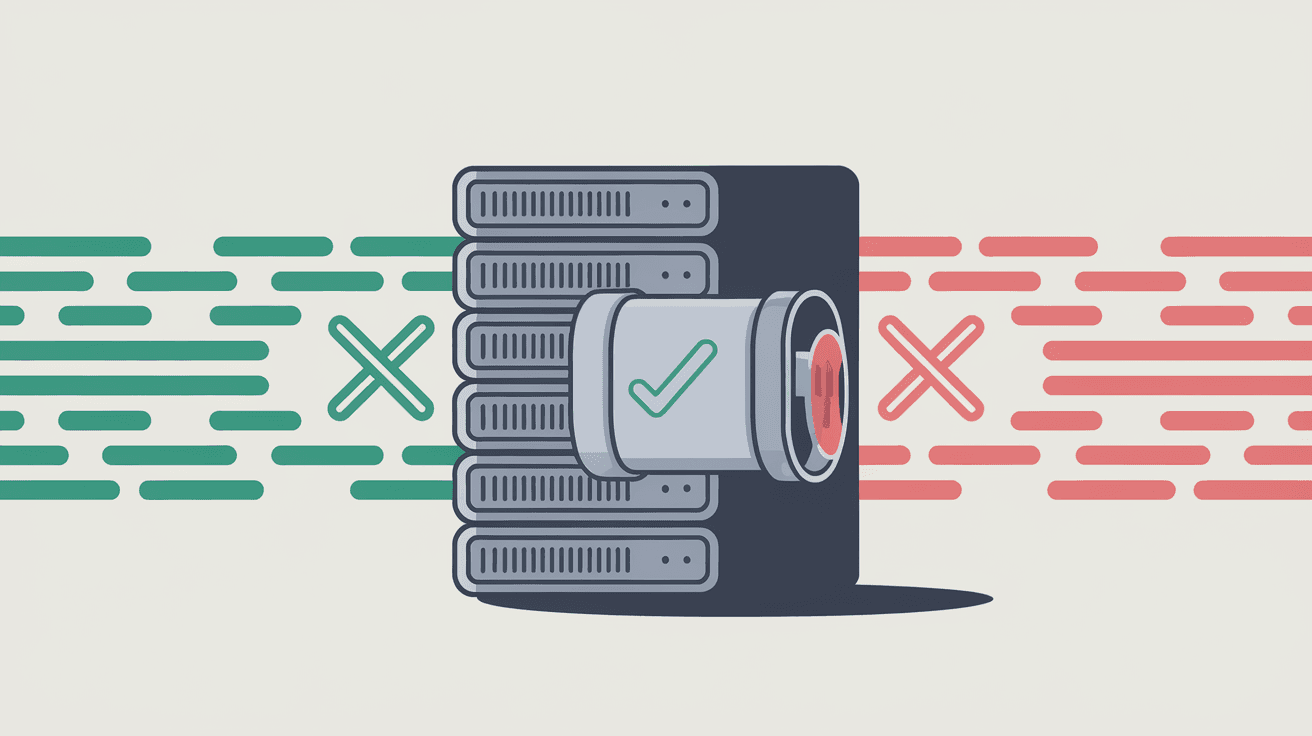
IPSec is a suite of protocols designed to secure Internet Protocol (IP) communications. It works by authenticating and encrypting each IP packet in a data stream. This means that the data you send over the internet is protected from eavesdropping, tampering, and unauthorized access.
Here’s what IPSec does:
- Encrypts data to keep it private.
- Authenticates the sender to ensure data comes from a trusted source.
- Protects data integrity so it isn’t altered during transmission.
- Provides secure key exchange to set up encrypted communication.
IPSec is widely used in virtual private networks (VPNs), secure remote access, and protecting sensitive data over public networks.
How Does IPSec Work?
IPSec works by using two main protocols: Authentication Header (AH) and Encapsulating Security Payload (ESP). These protocols work together to secure IP packets.
Authentication Header (AH)
AH provides data integrity and authentication but does not encrypt the data. It ensures that the data has not been altered and verifies the sender’s identity.
- Protects against tampering.
- Confirms the origin of the data.
- Does not provide confidentiality (no encryption).
Encapsulating Security Payload (ESP)
ESP provides encryption, authentication, and data integrity. It encrypts the data to keep it private and also verifies the sender’s identity.
- Encrypts the payload to keep data secret.
- Authenticates the sender.
- Ensures data integrity.
Modes of Operation
IPSec can operate in two modes:
- Transport Mode: Only the data payload is encrypted or authenticated. The IP header remains unchanged. This mode is often used for end-to-end communication between two devices.
- Tunnel Mode: The entire IP packet is encrypted and encapsulated inside a new IP packet. This mode is commonly used in VPNs to secure communication between networks.
Key Exchange with IKE
IPSec uses the Internet Key Exchange (IKE) protocol to set up secure communication channels. IKE negotiates security policies and exchanges cryptographic keys between devices.
- Establishes shared keys securely.
- Negotiates encryption and authentication methods.
- Helps automate the setup of IPSec connections.
Why is IPSec Important?
IPSec plays a crucial role in securing internet communication. Here’s why it matters:
- Protects sensitive data: IPSec encrypts data, making it unreadable to hackers.
- Ensures privacy: It prevents unauthorized parties from spying on your online activities.
- Supports VPNs: IPSec is the backbone of many VPNs, allowing secure remote access to networks.
- Maintains data integrity: It detects if data has been altered during transmission.
- Provides authentication: Ensures that data comes from a trusted source.
With cyber threats increasing, IPSec helps businesses and individuals keep their information safe when using public or private networks.
Common Uses of IPSec
IPSec is used in many scenarios to enhance security:
- Virtual Private Networks (VPNs): IPSec creates secure tunnels between remote users and corporate networks.
- Secure remote access: Employees can safely connect to company resources from anywhere.
- Site-to-site connections: Connects different office locations securely over the internet.
- Protecting VoIP: Secures voice communication over IP networks.
- Government and military networks: Used for highly sensitive communications.
Advantages of IPSec
IPSec offers several benefits that make it a popular choice for network security:
- Strong security: Combines encryption and authentication.
- Transparency: Works at the IP layer, so applications don’t need modification.
- Flexibility: Supports multiple encryption algorithms and modes.
- Interoperability: Compatible with many devices and vendors.
- Scalability: Can secure small networks or large enterprise environments.
Challenges and Limitations of IPSec
While IPSec is powerful, it has some challenges:
- Complex setup: Configuring IPSec can be difficult for beginners.
- Performance impact: Encryption and decryption require processing power, which may slow down traffic.
- Compatibility issues: Some firewalls and NAT devices can interfere with IPSec traffic.
- Troubleshooting: Diagnosing IPSec problems can be complex due to its layered nature.
Despite these challenges, IPSec remains a trusted and widely used security protocol.
How to Implement IPSec
If you want to implement IPSec, here are the basic steps:
- Choose the right mode: Decide between transport or tunnel mode based on your needs.
- Select encryption and authentication algorithms: Common choices include AES for encryption and SHA for authentication.
- Configure IKE: Set up key exchange parameters.
- Define security policies: Specify which traffic should be protected.
- Test the connection: Verify that IPSec is working correctly.
Many routers, firewalls, and operating systems support IPSec, making it accessible for various users.
IPSec vs Other Security Protocols
IPSec is one of several protocols used to secure internet communication. Here’s how it compares:
| Feature | IPSec | SSL/TLS | PPTP |
| Layer | Network Layer (IP) | Transport Layer | Data Link Layer |
| Encryption | Yes | Yes | Yes |
| Authentication | Yes | Yes | Limited |
| Use Case | VPNs, site-to-site, remote access | Secure web browsing, email | Older VPNs, less secure |
| Compatibility | Broad, but complex setup | Widely supported, easier setup | Limited, outdated |
IPSec is preferred for network-level security, while SSL/TLS is common for web applications.
Future of IPSec
IPSec continues to evolve with advances in technology:
- Improved algorithms: New encryption methods enhance security and performance.
- Better integration: Easier setup and management tools are being developed.
- IoT security: IPSec is being adapted to protect Internet of Things devices.
- Quantum resistance: Research is ongoing to make IPSec secure against future quantum attacks.
As cyber threats grow, IPSec remains a vital tool for protecting digital communication.
Conclusion
Now that you know what IPSec is and how it works, you can appreciate its role in keeping your online data safe. IPSec encrypts and authenticates your internet traffic, making it much harder for hackers to intercept or tamper with your information.
Whether you’re using a VPN, connecting to a remote network, or just browsing securely, IPSec is often working behind the scenes to protect you. Understanding this technology helps you make smarter choices about your online security and privacy.
FAQs
What does IPSec stand for?
IPSec stands for Internet Protocol Security. It is a suite of protocols that secure IP communications by authenticating and encrypting each data packet.
Is IPSec the same as a VPN?
IPSec is not a VPN itself but a protocol used to create secure VPN connections. It helps encrypt and protect data sent over VPN tunnels.
Can IPSec work with any device?
Most modern devices and operating systems support IPSec, but compatibility depends on proper configuration and network setup.
What encryption algorithms does IPSec use?
IPSec commonly uses AES (Advanced Encryption Standard) for encryption and SHA (Secure Hash Algorithm) for authentication.
Is IPSec secure against modern cyber threats?
Yes, IPSec provides strong security with encryption and authentication. It continues to evolve to address new threats, including quantum computing risks.




