
What is Internal Audit Program
Introduction
When you hear the term "internal audit program," you might wonder what it really means and why it matters to your organization. Simply put, an internal audit program is a structured plan that helps businesses check their own processes, controls, and risks. It’s like a health check-up but for your company’s operations.
You might be thinking, “Why should I care about this?” Well, internal audit programs help you spot problems early, improve efficiency, and make sure your company follows rules and regulations. In this article, I’ll walk you through what an internal audit program is, why it’s important, and how it works in practice.
What is an Internal Audit Program?
An internal audit program is a formal plan that guides internal auditors on how to review and assess an organization’s activities. It outlines the audit objectives, scope, procedures, and timelines. The goal is to evaluate how well the company manages risks, complies with laws, and achieves its business goals.
Internal audit programs are designed to be systematic and consistent. They help auditors focus on key areas that need attention, such as financial controls, operational processes, or IT security. By following a program, auditors can provide reliable insights and recommendations to management.
Key Features of an Internal Audit Program
- Structured Approach: Defines clear steps and methods for audits.
- Risk-Based Focus: Prioritizes areas with higher risks.
- Documentation: Records findings and evidence for transparency.
- Continuous Improvement: Updates regularly to reflect changes in the business.
Why is an Internal Audit Program Important?
You might wonder why companies invest time and resources into internal audit programs. The answer lies in the benefits they bring to organizations.
Enhances Risk Management
An internal audit program helps identify risks before they become serious problems. For example, it can uncover weaknesses in financial reporting or gaps in cybersecurity. By addressing these risks early, companies avoid costly mistakes.
Ensures Compliance
Businesses must follow many laws and regulations. An internal audit program checks if the company complies with these rules. This reduces the chance of fines, legal issues, or damage to reputation.
Improves Operational Efficiency
Auditors look for inefficiencies or outdated processes. Their recommendations can help streamline operations, reduce waste, and save money.
Supports Strategic Goals
By providing objective insights, internal audits help management make informed decisions. This supports the company’s overall strategy and growth.
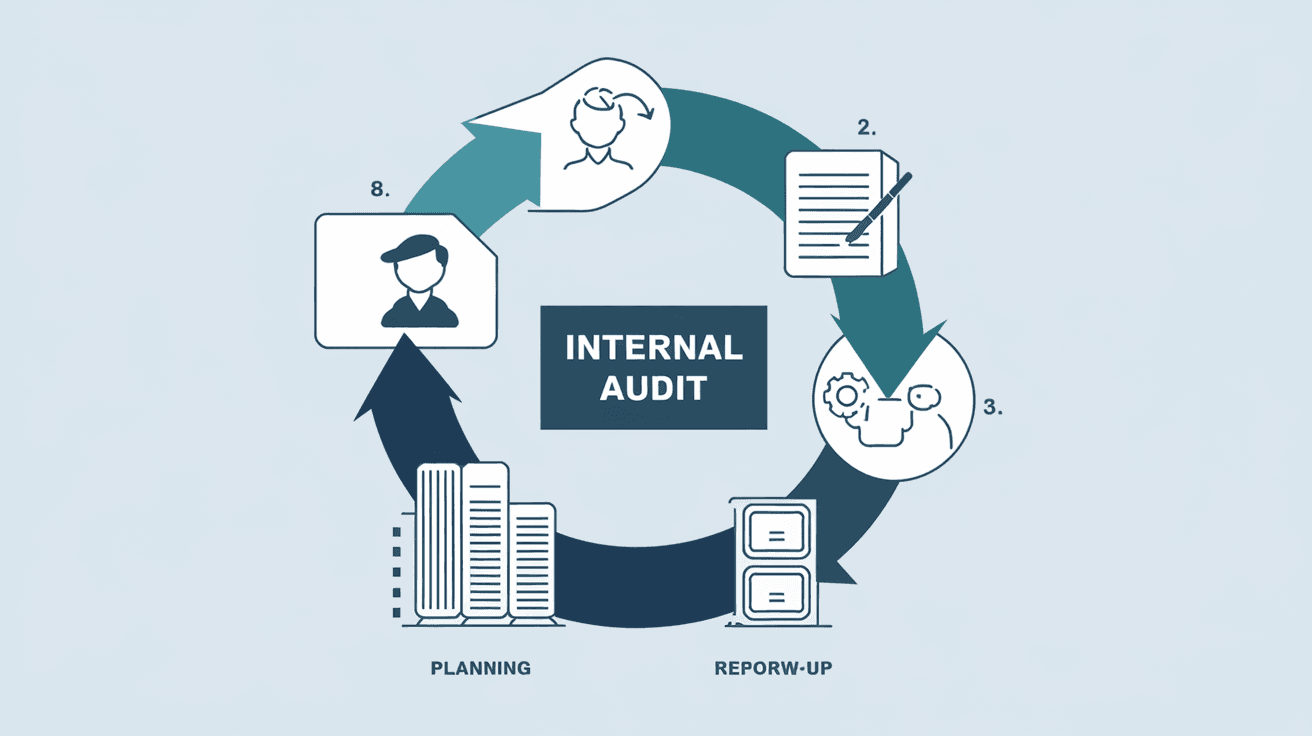
Components of an Internal Audit Program
To understand how an internal audit program works, it’s helpful to know its main components. These parts work together to ensure audits are effective and valuable.
1. Audit Planning
This is the first step where auditors decide what to audit and when. Planning involves:
- Assessing risks across the organization.
- Setting audit objectives.
- Scheduling audits based on priority.
- Allocating resources and assigning auditors.
2. Audit Procedures
During the audit, auditors follow specific procedures to gather evidence. These include:
- Reviewing documents and records.
- Interviewing employees.
- Testing controls and transactions.
- Observing processes in action.
3. Reporting
After completing the audit, auditors prepare a report. This report includes:
- Summary of findings.
- Identified risks or control weaknesses.
- Recommendations for improvement.
- Management’s response and action plans.
4. Follow-Up
Auditing doesn’t end with the report. Auditors check if management has implemented the recommended changes. Follow-up ensures issues are resolved and improvements stick.
How to Develop an Effective Internal Audit Program
Creating a strong internal audit program requires careful planning and ongoing effort. Here are some practical steps you can take.
Understand Your Organization’s Risks
Start by identifying the biggest risks your company faces. These could be financial, operational, legal, or technological. Focus your audit program on these areas to maximize impact.
Define Clear Objectives
Set specific goals for each audit. For example, you might want to verify compliance with a new regulation or test the accuracy of financial reports.
Develop Detailed Audit Procedures
Create checklists and guidelines for auditors to follow. This helps maintain consistency and thoroughness.
Train Your Audit Team
Ensure auditors have the skills and knowledge needed. Regular training keeps them updated on best practices and industry standards.
Use Technology
Leverage audit management software to plan, track, and document audits. Technology can improve efficiency and data accuracy.
Review and Update Regularly
Your audit program should evolve as your business changes. Regular reviews help keep it relevant and effective.
Examples of Internal Audit Program Areas
Internal audit programs cover many parts of a business. Here are some common areas audited:
- Financial Audits: Checking accuracy of accounting records and financial statements.
- Operational Audits: Evaluating efficiency of business processes.
- Compliance Audits: Ensuring adherence to laws, regulations, and policies.
- IT Audits: Assessing information systems security and controls.
- Environmental Audits: Reviewing environmental policies and sustainability efforts.
Challenges in Implementing Internal Audit Programs
While internal audit programs are valuable, they can face obstacles. Knowing these challenges helps you prepare and overcome them.
Limited Resources
Smaller companies may lack enough staff or budget for comprehensive audits. Prioritizing high-risk areas can help manage this.
Resistance from Staff
Some employees may see audits as intrusive or threatening. Clear communication about the audit’s purpose can reduce resistance.
Keeping Up with Changes
Regulations and business environments change rapidly. Audit programs must adapt quickly to stay effective.
Data Overload
Auditors can be overwhelmed by large volumes of data. Using data analytics tools can help focus on key insights.
The Role of Internal Auditors in the Program
Internal auditors are the people who carry out the audit program. Their role is crucial for success.
Responsibilities of Internal Auditors
- Planning and conducting audits.
- Gathering and analyzing evidence.
- Reporting findings objectively.
- Advising management on risk and control improvements.
- Following ethical standards and maintaining independence.
Skills Needed
- Strong analytical and problem-solving abilities.
- Good communication skills.
- Knowledge of accounting, finance, and relevant regulations.
- Familiarity with audit software and data analysis tools.
How Internal Audit Programs Support Corporate Governance
Corporate governance refers to how companies are directed and controlled. Internal audit programs play a key role here.
- They provide independent assurance to the board and management.
- Help ensure transparency and accountability.
- Support risk management frameworks.
- Promote ethical behavior and compliance.
By strengthening governance, internal audit programs build trust with stakeholders like investors, customers, and regulators.
Conclusion
Now that you understand what an internal audit program is, you can see how it benefits your organization. It’s a structured plan that helps you manage risks, ensure compliance, and improve operations. By following clear steps and focusing on key areas, internal audit programs provide valuable insights for better decision-making.
Whether you’re part of a small business or a large corporation, having a strong internal audit program is essential. It helps you stay ahead of problems, protect your assets, and support your company’s success. If you want to improve your organization’s health and performance, investing in an internal audit program is a smart move.
FAQs
What is the main purpose of an internal audit program?
The main purpose is to evaluate and improve an organization’s risk management, control, and governance processes. It helps identify weaknesses and ensures compliance with laws and policies.
How often should internal audits be conducted?
Internal audits are usually scheduled based on risk and business needs. Many organizations conduct audits annually or quarterly, but high-risk areas may require more frequent reviews.
Who is responsible for creating the internal audit program?
Typically, the internal audit department or chief audit executive develops the program, often in collaboration with senior management and the audit committee.
Can small businesses benefit from internal audit programs?
Yes, even small businesses can benefit by focusing on key risks and controls. A scaled-down audit program helps improve efficiency and compliance without heavy resource demands.
What tools can support internal audit programs?
Audit management software, data analytics tools, and risk assessment platforms help plan, execute, and track audits more efficiently and accurately.




