
What is Industrial Ethernet Security
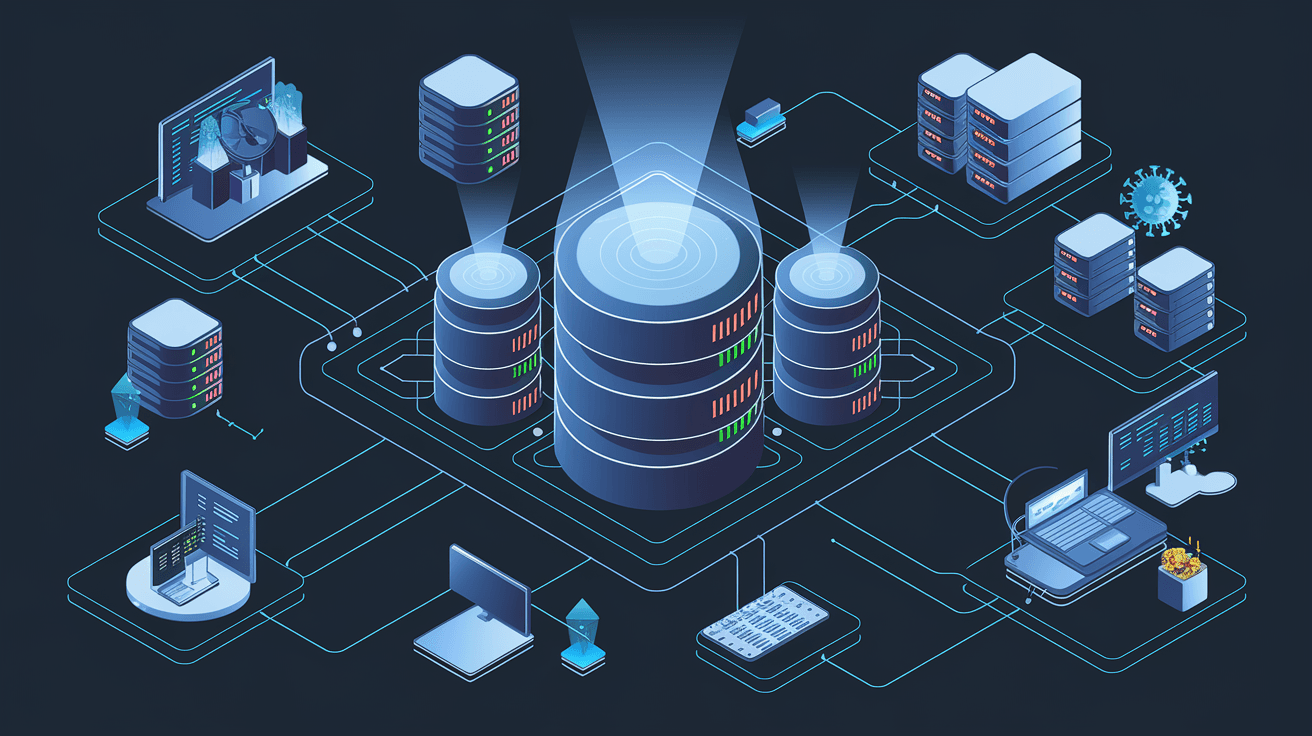
Industrial Ethernet Security is a crucial topic if you work with industrial networks or control systems. You might already know Ethernet connects devices in offices, but in industries, it links machines, sensors, and controllers. This connection helps automate processes and improve efficiency. However, it also opens doors to cyber threats that can disrupt operations or cause damage.
In this article, I’ll explain what Industrial Ethernet Security means, why it’s important, and how you can protect your industrial network. You’ll learn about common risks, security measures, and best practices to keep your systems safe. Whether you’re new to industrial networks or looking to improve your security, this guide will help you understand the essentials.
What is Industrial Ethernet?
Industrial Ethernet is a version of Ethernet technology designed specifically for industrial environments. Unlike regular office Ethernet, it must handle harsh conditions like extreme temperatures, vibrations, and electrical noise. It connects devices such as programmable logic controllers (PLCs), sensors, actuators, and human-machine interfaces (HMIs).
Industrial Ethernet supports real-time communication, which is vital for controlling machines and processes. It uses protocols like EtherNet/IP, PROFINET, and Modbus TCP to ensure devices can exchange data quickly and reliably. This network forms the backbone of modern industrial automation systems.
Key Features of Industrial Ethernet
- Robustness: Designed to withstand tough industrial conditions.
- Real-time communication: Supports fast data exchange for control tasks.
- Scalability: Can connect many devices across large facilities.
- Standard protocols: Uses industrial-specific communication standards.
Understanding Industrial Ethernet helps you see why securing it is critical. When these networks are compromised, it can lead to production downtime, safety hazards, or data theft.
Why is Industrial Ethernet Security Important?
Industrial Ethernet networks control critical infrastructure like power plants, manufacturing lines, and transportation systems. A security breach here can have serious consequences beyond just IT problems.
Risks of Poor Industrial Ethernet Security
- Operational disruption: Cyberattacks can stop machines or processes.
- Safety hazards: Malicious actions might cause accidents or injuries.
- Data theft: Sensitive information about production or designs can be stolen.
- Financial loss: Downtime and repairs can be costly.
- Reputation damage: Customers and partners lose trust after incidents.
Industrial networks were once isolated, but now many connect to corporate IT systems and the internet. This connectivity increases exposure to cyber threats like malware, ransomware, and unauthorized access.
Examples of Industrial Cyberattacks
- The Stuxnet worm targeted Iranian nuclear facilities by exploiting industrial control systems.
- The Triton malware aimed at safety systems in petrochemical plants.
- Ransomware attacks have locked down manufacturing plants, halting production.
These examples show why you can’t ignore Industrial Ethernet Security. Protecting these networks is essential to keep industries running safely and efficiently.
Common Threats to Industrial Ethernet Networks
Industrial Ethernet faces unique security challenges due to its mix of IT and operational technology (OT). Here are some common threats you should watch for:
1. Unauthorized Access
Hackers or insiders might gain access to control devices or network segments. Weak passwords, default settings, or lack of authentication make this easier.
2. Malware and Ransomware
Malicious software can infect industrial devices, disrupt operations, or demand ransom payments. These attacks often enter through connected IT networks or removable media.
3. Network Eavesdropping
Attackers can intercept data traveling over the network to steal sensitive information or gather intelligence for further attacks.
4. Denial of Service (DoS)
Flooding the network with traffic can overwhelm devices, causing delays or shutdowns in critical processes.
5. Configuration Errors
Misconfigured devices or networks can create vulnerabilities that attackers exploit.
6. Insider Threats
Employees or contractors with access might intentionally or accidentally cause harm.
Understanding these threats helps you focus on the right security measures to protect your Industrial Ethernet.
Key Components of Industrial Ethernet Security
Securing Industrial Ethernet involves multiple layers and technologies. Here are the main components you should consider:
Network Segmentation
Dividing the network into smaller zones limits access and reduces the impact of a breach. For example, separating the control network from the corporate IT network.
Firewalls and Intrusion Detection Systems (IDS)
Firewalls control traffic between network zones, blocking unauthorized access. IDS monitor network activity to detect suspicious behavior.
Access Control
Strong authentication methods ensure only authorized users and devices connect to the network. This includes passwords, multi-factor authentication, and device certificates.
Encryption
Encrypting data in transit prevents attackers from reading intercepted information. Protocols like TLS (Transport Layer Security) are used.
Patch Management
Regularly updating device firmware and software fixes security vulnerabilities and improves protection.
Monitoring and Logging
Continuous monitoring helps detect anomalies early. Logs provide records for investigating incidents.
Physical Security
Protecting network hardware from tampering or theft is also vital.
Best Practices for Industrial Ethernet Security
Implementing security in industrial networks requires careful planning and ongoing effort. Here are some best practices you can follow:
1. Conduct Risk Assessments
Identify critical assets, potential threats, and vulnerabilities. This helps prioritize security efforts.
2. Use Strong Passwords and Authentication
Avoid default passwords. Use complex passwords and enable multi-factor authentication where possible.
3. Segment Your Network
Create zones based on function and sensitivity. Use firewalls to control traffic between zones.
4. Keep Systems Updated
Apply patches and updates promptly to fix known security issues.
5. Limit Remote Access
Only allow remote connections when necessary, and secure them with VPNs and strong authentication.
6. Train Employees
Educate staff about security risks and safe practices to reduce insider threats.
7. Backup Critical Data
Regular backups help recover quickly after an attack or failure.
8. Use Industrial-Specific Security Solutions
Deploy security tools designed for OT environments, such as specialized firewalls and anomaly detection systems.
Challenges in Industrial Ethernet Security
Securing Industrial Ethernet is not without difficulties. Here are some common challenges:
Legacy Systems
Many industrial devices run outdated software that cannot be easily updated or patched.
Availability Requirements
Industrial networks must operate continuously, so security measures cannot cause downtime or delays.
Complexity
Integrating IT and OT systems creates complex environments that are hard to secure.
Limited Security Awareness
Some industrial staff may lack cybersecurity training.
Vendor Diversity
Different manufacturers use various protocols and devices, complicating unified security management.
Despite these challenges, improving Industrial Ethernet Security is essential and achievable with the right approach.
Future Trends in Industrial Ethernet Security
As industrial networks evolve, so do security technologies. Here are some trends shaping the future:
1. Zero Trust Architecture
This model assumes no device or user is trusted by default. Continuous verification is required for access.
2. AI and Machine Learning
These technologies help detect unusual network behavior faster and more accurately.
3. Secure by Design Devices
Manufacturers are building devices with security features integrated from the start.
4. Increased Regulation
Governments and industry bodies are introducing stricter cybersecurity standards for critical infrastructure.
5. Edge Security
Protecting devices at the network edge reduces risks from remote attacks.
Staying informed about these trends will help you keep your Industrial Ethernet secure in the years ahead.
Conclusion
Industrial Ethernet Security is vital for protecting the networks that control critical industrial processes. These networks face unique risks from cyberattacks, insider threats, and operational challenges. By understanding what Industrial Ethernet is and the threats it faces, you can take steps to secure your systems.
Implementing strong security measures like network segmentation, access control, encryption, and continuous monitoring helps reduce risks. Despite challenges like legacy systems and complexity, following best practices and staying updated on new technologies will keep your industrial network safe. Remember, securing Industrial Ethernet is not just about technology—it’s about protecting people, processes, and your business’s future.
FAQs
What makes Industrial Ethernet different from regular Ethernet?
Industrial Ethernet is designed for harsh environments and real-time communication. It uses specialized protocols and hardware to ensure reliability and durability in industrial settings.
Why is network segmentation important in Industrial Ethernet Security?
Segmentation limits access between different parts of the network, reducing the spread of attacks and protecting critical systems from unauthorized access.
Can legacy industrial devices be secured effectively?
While challenging, legacy devices can be protected by isolating them, using firewalls, and monitoring network traffic closely to detect anomalies.
How does encryption help in Industrial Ethernet Security?
Encryption protects data as it travels across the network, preventing attackers from intercepting and reading sensitive information.
What role does employee training play in Industrial Ethernet Security?
Training helps employees recognize security risks and follow safe practices, reducing the chance of accidental breaches or insider threats.




