
What is Industrial Control Systems Security
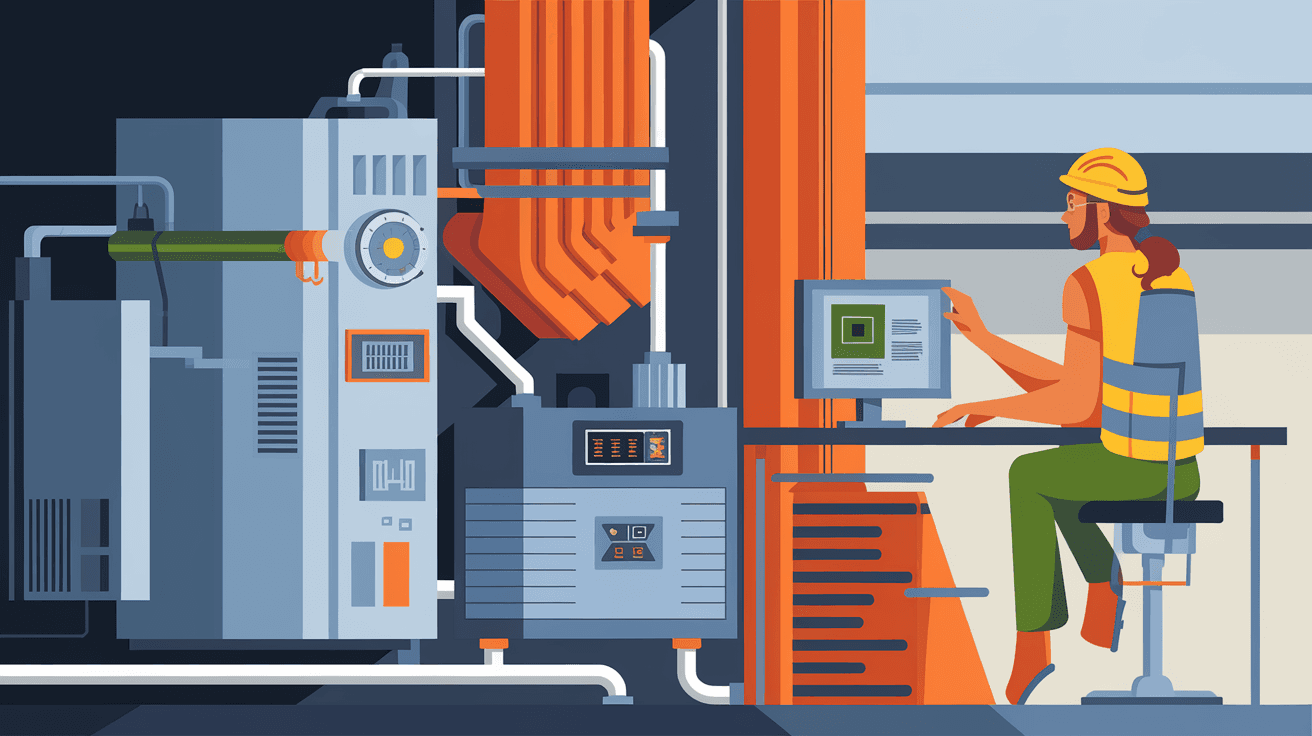
Industrial Control Systems (ICS) are the backbone of many industries, from power plants to manufacturing lines. If you work with or rely on these systems, understanding Industrial Control Systems Security is essential. It’s about protecting the hardware and software that control physical processes, ensuring they run safely and without interruption.
In this article, I’ll walk you through what Industrial Control Systems Security means, why it matters, and how organizations keep these vital systems safe from cyber threats. You’ll get clear insights into the challenges and solutions in this specialized field.
What Are Industrial Control Systems?
Industrial Control Systems are networks and devices that manage and automate industrial processes. These systems control everything from electricity generation to water treatment and factory automation.
Here are the main types of ICS:
- SCADA (Supervisory Control and Data Acquisition): Used for remote monitoring and control of large-scale processes like power grids.
- DCS (Distributed Control Systems): Manage processes within a single facility, such as a chemical plant.
- PLC (Programmable Logic Controllers): Small computers that control machinery on the factory floor.
ICS combine sensors, controllers, and communication networks to monitor and control physical equipment. Unlike regular IT systems, ICS often run continuously and require real-time responses.
Why Is Industrial Control Systems Security Important?
You might wonder why ICS security is so critical. The answer lies in the potential impact of a security breach.
- Safety Risks: A cyberattack could cause dangerous malfunctions, risking human lives.
- Operational Disruption: Interruptions can halt production, leading to huge financial losses.
- Environmental Damage: Manipulating control systems might cause spills or emissions.
- National Security: Many ICS control critical infrastructure like power and water supplies.
In recent years, cyberattacks targeting ICS have increased. For example, the 2010 Stuxnet worm specifically targeted Iranian nuclear facilities, showing how ICS can be a prime target for sophisticated attacks.
Key Challenges in ICS Security
Securing Industrial Control Systems is not the same as protecting regular IT networks. ICS have unique challenges:
- Legacy Systems: Many ICS run on outdated hardware and software that lack modern security features.
- Availability Over Security: ICS prioritize uptime and reliability, so applying patches or updates can be risky.
- Complex Environments: ICS often integrate with multiple vendors and protocols, making security management complex.
- Limited Visibility: Traditional IT security tools may not work well with ICS, making it hard to detect threats.
These challenges mean that ICS security requires specialized knowledge and tailored solutions.
Common Threats to Industrial Control Systems
Understanding the threats helps you see why ICS security is so vital. Here are some common risks:
- Malware and Ransomware: Malicious software can disrupt operations or demand ransom.
- Insider Threats: Employees or contractors with access might accidentally or intentionally cause harm.
- Phishing Attacks: Cybercriminals use social engineering to gain access credentials.
- Supply Chain Attacks: Compromising third-party software or hardware can introduce vulnerabilities.
- Network Intrusions: Attackers exploit weak points in network security to gain control.
Each threat can have serious consequences, so proactive defense is necessary.
Best Practices for Industrial Control Systems Security
Protecting ICS requires a combination of strategies. Here are some effective best practices:
- Network Segmentation: Separate ICS networks from corporate IT networks to limit exposure.
- Access Control: Use strong authentication and limit user permissions to only what’s necessary.
- Regular Updates: Apply patches carefully during scheduled maintenance to avoid vulnerabilities.
- Monitoring and Detection: Deploy specialized tools to monitor ICS traffic and detect anomalies.
- Incident Response Planning: Prepare clear procedures for responding to security incidents.
- Employee Training: Educate staff about security risks and safe practices.
Implementing these steps helps reduce the risk of attacks and improves overall resilience.
Technologies Used in ICS Security
Several technologies support ICS security efforts:
| Technology | Purpose |
| Firewalls | Control traffic between ICS and other networks |
| Intrusion Detection Systems (IDS) | Detect suspicious activity in ICS networks |
| Data Diodes | Allow one-way data flow to prevent attacks |
| Endpoint Protection | Secure devices like PLCs and workstations |
| Encryption | Protect data in transit and at rest |
These tools must be carefully integrated to avoid disrupting critical operations.
Regulatory Standards and Frameworks
Governments and industry groups have developed standards to guide ICS security:
- NIST SP 800-82: Provides guidelines for securing ICS environments.
- IEC 62443: An international standard focusing on ICS cybersecurity.
- CISA’s ICS-CERT: Offers resources and alerts related to ICS threats.
- NERC CIP: Regulates cybersecurity for the electric utility sector.
Following these frameworks helps organizations meet compliance requirements and improve security posture.
The Role of Cybersecurity Professionals in ICS
Cybersecurity experts working with ICS need specialized skills. They must understand both IT security and industrial processes.
Key responsibilities include:
- Conducting risk assessments tailored to ICS environments.
- Designing and implementing security controls without disrupting operations.
- Responding quickly to incidents to minimize damage.
- Collaborating with engineers and operators to balance security and functionality.
This role is critical as threats evolve and ICS become more connected.
Future Trends in Industrial Control Systems Security
As technology advances, ICS security is also evolving. Here are some trends to watch:
- Increased Use of AI and Machine Learning: For better threat detection and response.
- Integration with IoT Devices: Expanding ICS networks require new security approaches.
- Cloud Adoption: More ICS data and control functions moving to the cloud.
- Zero Trust Architecture: Applying strict access controls and continuous verification.
- Enhanced Threat Intelligence Sharing: Collaboration between organizations to combat threats.
Staying informed about these trends helps you prepare for future challenges.
Conclusion
Industrial Control Systems Security is vital for protecting the systems that keep our industries running safely and efficiently. These systems face unique risks that require specialized security measures. By understanding the threats and applying best practices, organizations can safeguard critical infrastructure from cyberattacks.
Whether you’re involved in managing ICS or just want to learn more, knowing about ICS security helps you appreciate the complexity and importance of protecting these essential systems. As technology and threats evolve, staying vigilant and proactive is the best way to ensure safety and reliability.
FAQs
What makes Industrial Control Systems different from regular IT systems?
ICS control physical processes and require real-time responses, unlike typical IT systems focused on data processing. They prioritize availability and safety, making their security needs unique.
Can legacy ICS hardware be secured effectively?
Yes, but it requires careful planning. Security measures must avoid disrupting operations, and sometimes compensating controls like network segmentation are used to protect legacy devices.
How do cyberattacks on ICS impact public safety?
Attacks can cause equipment malfunctions, leading to accidents, environmental harm, or service outages that affect communities and critical infrastructure.
What is the role of network segmentation in ICS security?
Network segmentation isolates ICS from other networks, reducing the risk that a breach in one area spreads to critical control systems.
Are there specific regulations for ICS security?
Yes, standards like NIST SP 800-82 and IEC 62443 provide guidelines, and sectors like energy follow regulations such as NERC CIP to ensure cybersecurity compliance.




