
What is Identity and Access Management Suite
Introduction
You might have heard the term "Identity and Access Management Suite" or IAM Suite, but what does it really mean? In today’s digital world, managing who can access what information is crucial. Whether you run a small business or a large enterprise, controlling user identities and permissions keeps your data safe.
We’ll explore what an IAM Suite is, why it matters, and how it works. By the end, you’ll understand how this technology helps protect your digital assets and makes managing access easier for everyone involved.
What is an Identity and Access Management Suite?
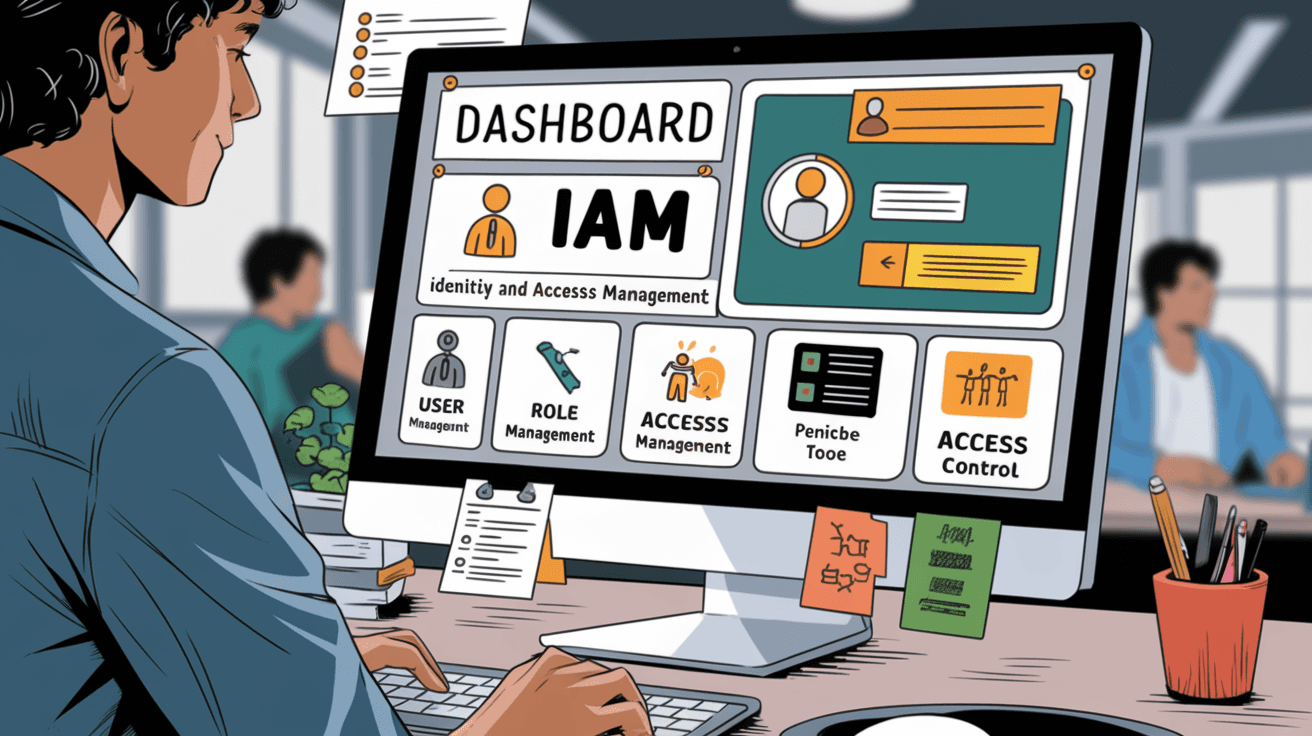
An Identity and Access Management Suite is a collection of tools and software designed to manage digital identities and control user access to systems and data. It ensures that the right people have the right access at the right time.
IAM Suites help organizations:
- Verify user identities securely.
- Manage user permissions and roles.
- Monitor access activities to prevent unauthorized use.
These suites combine multiple features like single sign-on, multi-factor authentication, and user lifecycle management into one platform. This integration simplifies security and compliance efforts.
Why is an IAM Suite Important?
In a world where cyber threats are increasing, protecting sensitive information is more important than ever. An IAM Suite helps you:
- Reduce security risks: By controlling who accesses your systems, you lower the chances of data breaches.
- Improve user experience: Users can access multiple applications with one login, saving time and frustration.
- Ensure compliance: Many industries require strict access controls to meet regulations like GDPR or HIPAA.
- Streamline IT operations: Automating user provisioning and deprovisioning reduces manual work and errors.
Without an IAM Suite, managing access can become chaotic, especially as organizations grow and add more users and applications.
Key Components of an IAM Suite
An effective IAM Suite includes several core components that work together to secure and manage identities:
1. Identity Governance
This component manages user identities and their access rights. It ensures users have appropriate permissions based on their roles.
- Role-based access control (RBAC)
- Access certification and reviews
- Policy enforcement
2. Access Management
Access management controls how users authenticate and gain entry to systems.
- Single Sign-On (SSO) for easy access
- Multi-Factor Authentication (MFA) for added security
- Adaptive authentication based on risk factors
3. User Lifecycle Management
This automates the process of creating, updating, and deleting user accounts as employees join, move within, or leave an organization.
- Automated provisioning and deprovisioning
- Self-service password reset
- User profile updates
4. Privileged Access Management (PAM)
PAM focuses on securing accounts with elevated privileges, such as system administrators.
- Monitoring and controlling privileged sessions
- Credential vaulting
- Just-in-time access
5. Reporting and Analytics
This provides visibility into who accessed what and when, helping detect suspicious activities.
- Audit trails
- Compliance reports
- Real-time alerts
How Does an IAM Suite Work?
An IAM Suite works by integrating with your existing IT infrastructure and applications. Here’s a simplified process:
- User Registration: New users are added to the system with verified identities.
- Authentication: When users log in, the IAM Suite verifies their identity using passwords, biometrics, or MFA.
- Authorization: The system checks what resources the user is allowed to access based on their role.
- Access Granting: Users gain access to permitted applications or data.
- Monitoring: All access activities are logged and monitored for unusual behavior.
- Lifecycle Updates: User permissions are updated automatically as roles change or users leave.
This process ensures secure and efficient access management across the organization.
Benefits of Using an IAM Suite
Implementing an IAM Suite offers many advantages:
- Enhanced Security: Reduces the risk of unauthorized access and data breaches.
- Improved Compliance: Helps meet regulatory requirements with detailed access logs.
- Operational Efficiency: Automates repetitive tasks like user onboarding and password resets.
- Better User Experience: Simplifies login processes with SSO and self-service options.
- Scalability: Supports growing organizations with flexible access controls.
These benefits make IAM Suites essential for modern businesses.
Common Features in Leading IAM Suites
Most IAM Suites include a set of features designed to cover all aspects of identity and access management:
- Single Sign-On (SSO): One login for multiple applications.
- Multi-Factor Authentication (MFA): Extra security layer requiring multiple verification methods.
- Password Management: Self-service password resets and policies.
- Role-Based Access Control (RBAC): Assign permissions based on job roles.
- User Provisioning: Automated account creation and deletion.
- Access Reviews: Regular audits of user permissions.
- Integration Capabilities: Connect with cloud and on-premises applications.
- Mobile Access: Secure access from mobile devices.
These features work together to provide a seamless and secure access experience.
Choosing the Right IAM Suite for Your Organization
Selecting the best IAM Suite depends on your specific needs. Consider these factors:
- Scalability: Can it grow with your organization?
- Integration: Does it support your existing applications and infrastructure?
- Security Features: Does it offer strong authentication and monitoring?
- User Experience: Is it easy for users and administrators to use?
- Compliance Support: Does it help meet industry regulations?
- Cost: Is it affordable within your budget?
You might also want to look at vendor reputation, customer support, and deployment options (cloud, on-premises, or hybrid).
Real-World Examples of IAM Suites
Many companies rely on IAM Suites to protect their digital environments. Here are some popular options:
- Microsoft Entra: Offers identity governance, access management, and privileged access controls.
- Okta: Known for easy integration and strong SSO and MFA capabilities.
- IBM Security Verify: Focuses on identity governance and risk-based access.
- Ping Identity: Provides adaptive authentication and seamless user experiences.
- SailPoint: Specializes in identity governance and compliance automation.
Each suite has unique strengths, so it’s important to match features to your needs.
Challenges in Implementing an IAM Suite
While IAM Suites offer many benefits, implementing them can be challenging:
- Complex Integration: Connecting with diverse systems can be difficult.
- User Adoption: Employees may resist new login processes.
- Cost and Resources: Initial setup and maintenance require investment.
- Policy Management: Defining and enforcing access policies takes time.
- Continuous Monitoring: Requires ongoing attention to detect threats.
Planning, training, and choosing the right vendor can help overcome these challenges.
Future Trends in Identity and Access Management
The IAM landscape is evolving with new technologies and threats. Here’s what to expect:
- AI and Machine Learning: For smarter threat detection and adaptive authentication.
- Passwordless Authentication: Using biometrics or tokens instead of passwords.
- Decentralized Identity: Giving users more control over their digital identities.
- Zero Trust Security: Verifying every access request regardless of location.
- Cloud-Native IAM: Designed specifically for cloud environments.
Staying updated on these trends will help you keep your IAM strategy effective.
Conclusion
Understanding what an Identity and Access Management Suite is can transform how you protect your organization’s digital assets. These suites combine powerful tools to verify identities, control access, and monitor activities, making security simpler and stronger.
By choosing the right IAM Suite and implementing it thoughtfully, you can reduce risks, improve compliance, and enhance user experience. Whether you’re just starting or upgrading your security, an IAM Suite is a smart investment for the future.
FAQs
What is the main purpose of an IAM Suite?
The main purpose is to manage digital identities and control user access to systems and data securely. It ensures only authorized users can access specific resources.
How does Single Sign-On (SSO) improve security?
SSO reduces password fatigue by allowing users to log in once for multiple applications, lowering the risk of weak or reused passwords.
Can IAM Suites help with regulatory compliance?
Yes, IAM Suites provide detailed access logs and enforce policies that help organizations meet regulations like GDPR, HIPAA, and others.
What is the difference between IAM and PAM?
IAM manages general user identities and access, while PAM focuses on securing privileged accounts with elevated permissions.
Are IAM Suites suitable for small businesses?
Absolutely. Many IAM Suites offer scalable solutions that fit small businesses, helping them secure access without complex setups.




