What is Hybrid Cloud Security

Introduction
You might be wondering what hybrid cloud security really means and why it’s so important today. If your business uses both public and private clouds, you’re already in the hybrid cloud world. But securing this mix can be tricky.
In this article, I’ll explain what hybrid cloud security is, why it matters, and how you can protect your data and apps across different cloud environments. By the end, you’ll understand the key strategies and tools to keep your hybrid cloud safe.
What Is Hybrid Cloud Security?
Hybrid cloud security refers to the practices and technologies used to protect data, applications, and infrastructure across a hybrid cloud environment. A hybrid cloud combines private clouds (owned or controlled by your organization) with public clouds (offered by providers like AWS, Azure, or Google Cloud).
Because data and workloads move between these environments, hybrid cloud security focuses on maintaining consistent protection everywhere. This means securing data in transit, at rest, and during processing, regardless of where it lives.
Key Features of Hybrid Cloud Security
- Unified Security Policies: Applying consistent rules across private and public clouds.
- Data Protection: Encrypting data and controlling access.
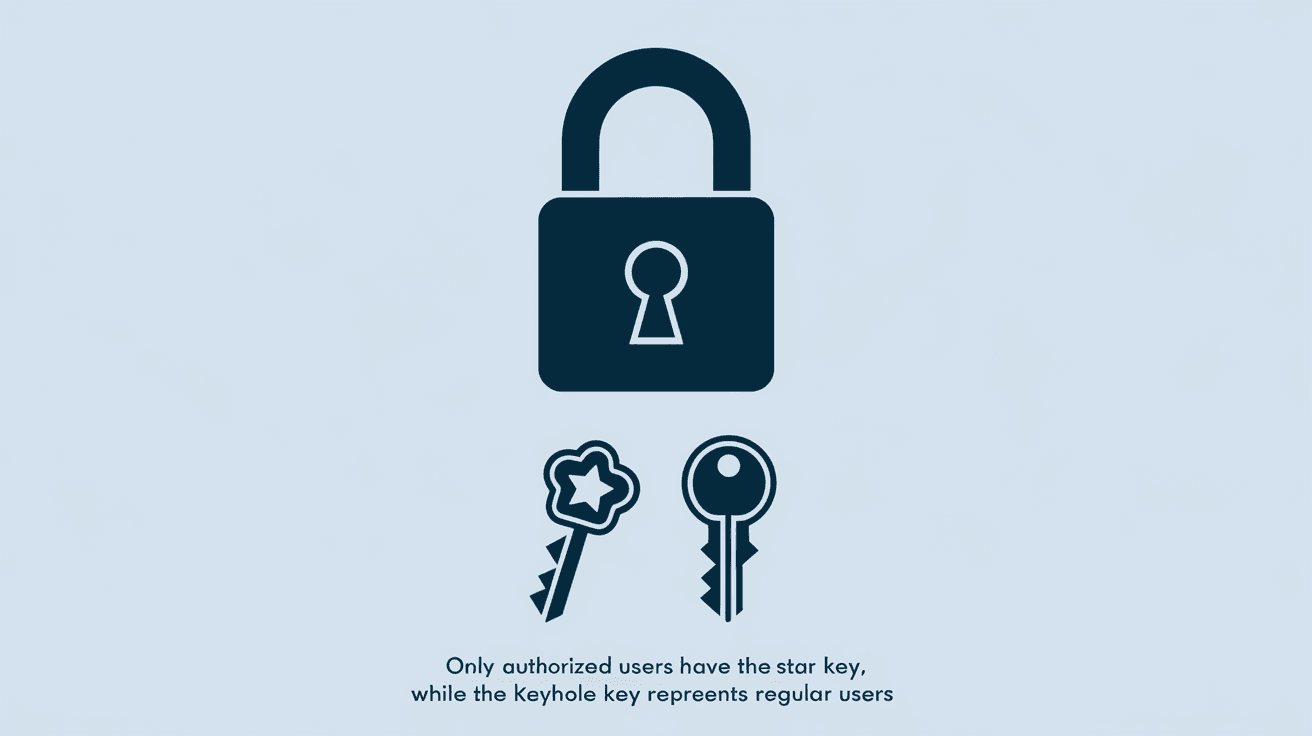
- Identity and Access Management (IAM): Ensuring only authorized users can access resources.
- Threat Detection: Monitoring for unusual activity or attacks.
- Compliance: Meeting industry regulations across all cloud environments.
Why Hybrid Cloud Security Matters
Many organizations choose hybrid clouds to balance flexibility, cost, and control. But this mix also creates security challenges. Without strong hybrid cloud security, you risk data breaches, compliance failures, and downtime.
Challenges That Make Hybrid Cloud Security Important
- Complexity: Managing security across different platforms and tools.
- Visibility Gaps: Difficulty seeing all activity in both private and public clouds.
- Data Movement: Data constantly moves between clouds, increasing exposure.
- Shared Responsibility: Cloud providers secure infrastructure, but you must secure your data and apps.
By focusing on hybrid cloud security, you reduce risks and protect your business reputation.
Common Hybrid Cloud Security Risks
Understanding common risks helps you prepare better defenses. Here are some typical threats in hybrid cloud environments:
- Data Leakage: Sensitive data accidentally exposed or stolen.
- Misconfigurations: Incorrect cloud settings that open security holes.
- Insider Threats: Employees or contractors misusing access.
- Insecure APIs: Vulnerabilities in cloud service interfaces.
- Advanced Persistent Threats (APTs): Sophisticated attacks targeting cloud assets.
Each risk requires specific controls and monitoring to prevent damage.
Core Components of Hybrid Cloud Security
To secure a hybrid cloud effectively, you need a combination of tools and strategies. Here are the core components:
1. Identity and Access Management (IAM)
IAM controls who can access what in your cloud environments. Strong IAM includes:
- Multi-factor authentication (MFA)
- Role-based access control (RBAC)
- Single sign-on (SSO)
- Regular access reviews
2. Data Encryption
Encrypt data both at rest and in transit. Use strong encryption standards and manage keys securely.
3. Network Security
Segment networks and use firewalls, VPNs, and zero-trust models to control traffic between clouds.
4. Security Monitoring and Analytics
Deploy tools that monitor logs, detect anomalies, and alert you to threats in real time.
5. Compliance Management
Use automated tools to check compliance with standards like GDPR, HIPAA, or PCI-DSS across all cloud environments.
Best Practices for Hybrid Cloud Security
Here are actionable steps to improve your hybrid cloud security:
- Establish Clear Policies: Define security rules that apply to all cloud resources.
- Automate Security Tasks: Use automation to enforce policies and detect threats faster.
- Regularly Update and Patch: Keep software and cloud services up to date.
- Train Your Team: Educate employees about cloud security risks and best practices.
- Use Cloud Security Posture Management (CSPM): Tools that continuously assess your cloud security status.
- Implement Zero Trust Architecture: Never trust by default; always verify access requests.
- Backup Data Frequently: Ensure you can recover from ransomware or data loss.
Tools and Technologies Supporting Hybrid Cloud Security
Several tools help manage hybrid cloud security effectively:
| Tool Type | Purpose | Examples |
| Cloud Access Security Broker (CASB) | Monitors cloud usage and enforces policies | Microsoft Defender for Cloud Apps, Netskope |
| Security Information and Event Management (SIEM) | Collects and analyzes security data | Splunk, IBM QRadar |
| Cloud Security Posture Management (CSPM) | Detects misconfigurations and compliance issues | Prisma Cloud, Dome9 |
| Identity and Access Management (IAM) | Manages user identities and permissions | Okta, AWS IAM |
| Encryption Tools | Protect data at rest and in transit | AWS KMS, Azure Key Vault |
Using a combination of these tools can provide comprehensive protection.
How to Implement Hybrid Cloud Security in Your Organization
Implementing hybrid cloud security requires planning and coordination. Here’s a simple roadmap:
- Assess Your Current Environment: Identify all cloud resources and data flows.
- Define Security Requirements: Based on your business needs and compliance rules.
- Choose the Right Tools: Select security solutions that integrate well with your clouds.
- Develop Policies and Procedures: Document how security is managed and enforced.
- Train Your Team: Make sure everyone understands their role in security.
- Monitor and Improve: Continuously watch for threats and update your defenses.
This approach helps you build a strong security posture over time.
The Future of Hybrid Cloud Security
As hybrid cloud adoption grows, security will evolve too. Here are some trends to watch:
- AI and Machine Learning: More advanced threat detection and response.
- Greater Automation: Faster, more accurate security enforcement.
- Improved Zero Trust Models: More granular access controls.
- Stronger Compliance Tools: Easier adherence to global regulations.
- Integration of DevSecOps: Security built into cloud development pipelines.
Staying updated on these trends will help you keep your hybrid cloud secure.
Conclusion
Hybrid cloud security is essential if you use both public and private clouds. It ensures your data and applications stay safe no matter where they run. By understanding the risks and applying strong security measures like IAM, encryption, and monitoring, you can protect your hybrid cloud environment effectively.
Remember, hybrid cloud security is an ongoing process. You need to keep updating your tools, policies, and skills to stay ahead of threats. With the right approach, you can enjoy the benefits of hybrid cloud computing without compromising security.
FAQs
What is the main difference between hybrid cloud and multi-cloud security?
Hybrid cloud security focuses on protecting workloads across private and public clouds owned by one organization. Multi-cloud security involves securing multiple public clouds from different providers, often without a private cloud.
How does zero trust apply to hybrid cloud security?
Zero trust means never trusting any user or device by default. In hybrid cloud security, it requires verifying every access request, regardless of location, to reduce risk from internal and external threats.
Can cloud providers handle all hybrid cloud security?
Cloud providers secure their infrastructure, but you are responsible for securing your data, applications, and configurations. Hybrid cloud security requires shared responsibility between you and the provider.
What role does encryption play in hybrid cloud security?
Encryption protects data from unauthorized access both when stored and during transfer between clouds. It’s a critical layer to prevent data breaches in hybrid environments.
How often should I review my hybrid cloud security policies?
You should review your policies regularly, at least quarterly or after any major changes. Frequent reviews help address new threats and ensure compliance with evolving regulations.