
What is Hack-for-Hire Operation
Introduction
You might have heard about hack-for-hire operations in the news or online discussions. These are secretive cyber activities where individuals or groups are paid to hack into systems or steal information. Understanding what hack-for-hire operations involve helps you stay aware of modern cyber threats.
In this article, I’ll explain what hack-for-hire operations are, how they work, and why they matter. You’ll also learn about the risks they pose and how organizations and individuals can protect themselves from these hidden cyber attacks.
What Is a Hack-for-Hire Operation?
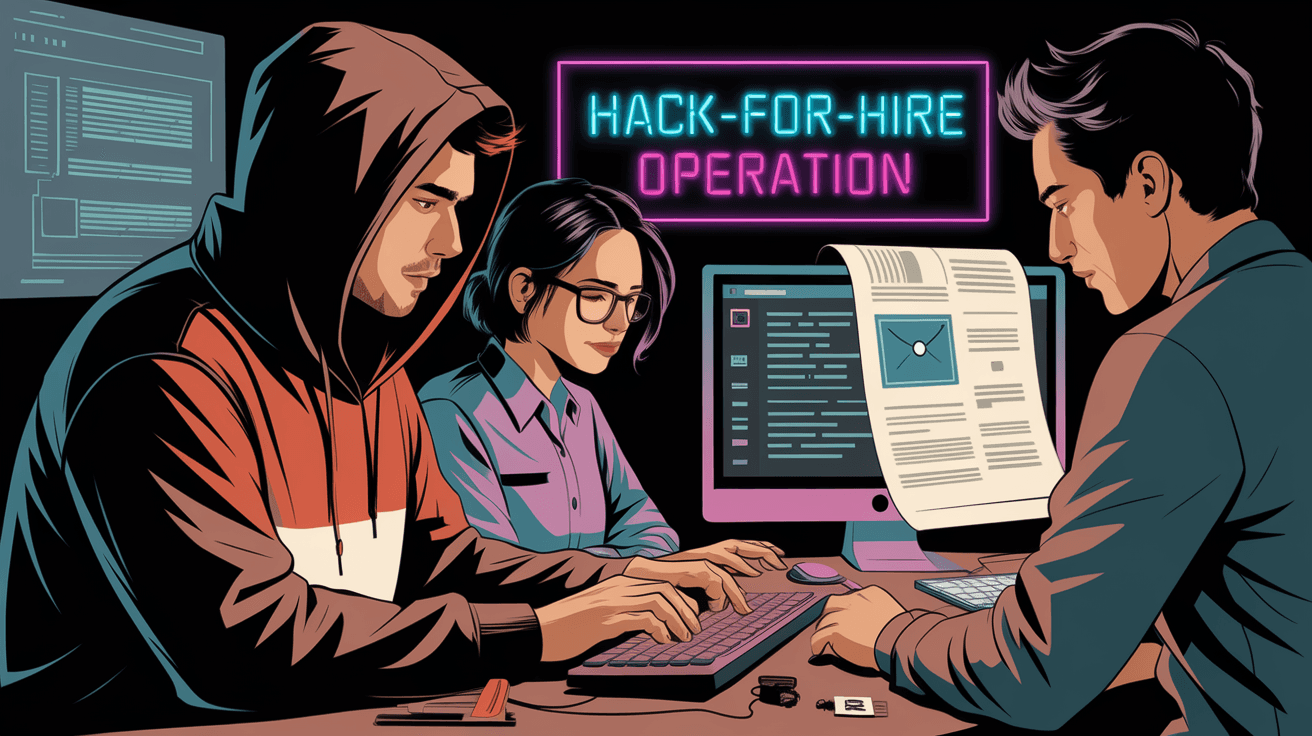
A hack-for-hire operation is a service where hackers are paid to carry out cyberattacks on behalf of clients. These clients can be individuals, companies, or even governments. Instead of hacking for personal gain, these hackers work as contractors to break into systems, steal data, or disrupt services.
Key Features of Hack-for-Hire Operations
- Paid Cyberattacks: Hackers receive money to perform specific tasks.
- Targeted Attacks: They focus on particular organizations or people.
- Covert Actions: These operations are secretive and often hard to trace.
- Varied Techniques: Methods include phishing, malware, ransomware, and social engineering.
Hack-for-hire groups often operate through encrypted communication channels and use advanced tools to avoid detection. This makes them a serious threat to cybersecurity worldwide.
How Do Hack-for-Hire Operations Work?
Hack-for-hire operations usually follow a clear process. Understanding this can help you recognize signs of such attacks.
Step 1: Client Engagement
A client contacts the hack-for-hire group with a request. This might be to:
- Steal confidential information.
- Disrupt a competitor’s business.
- Spy on a political opponent.
- Sabotage digital infrastructure.
Clients often remain anonymous or use intermediaries to avoid exposure.
Step 2: Planning the Attack
Hackers gather intelligence on the target. They research:
- Network vulnerabilities.
- Employee habits.
- Software weaknesses.
- Security measures in place.
This reconnaissance helps them design a tailored attack strategy.
Step 3: Executing the Attack
The hackers launch their attack using various techniques:
- Phishing Emails: Tricking employees into revealing passwords.
- Malware Deployment: Installing harmful software to gain control.
- Ransomware: Encrypting data and demanding payment.
- Social Engineering: Manipulating people to gain access.
Step 4: Covering Tracks
After the attack, hackers erase logs and use anonymizing tools to avoid detection. This makes it difficult for victims and law enforcement to trace the source.
Who Uses Hack-for-Hire Services?
Hack-for-hire operations attract a wide range of clients. Here are some common users:
- Businesses: To spy on competitors or sabotage rivals.
- Political Groups: To gather intelligence or disrupt opponents.
- Criminal Organizations: To steal money or sensitive data.
- Private Individuals: For personal revenge or blackmail.
These operations blur the lines between cybercrime, espionage, and corporate warfare.
The Impact of Hack-for-Hire Operations
Hack-for-hire operations cause serious damage to victims and society. Here’s how:
Financial Losses
Victims often face huge costs from stolen data, ransom payments, and system repairs. For example:
- Companies lose millions in intellectual property theft.
- Ransomware attacks demand large sums to restore access.
Privacy Violations
Sensitive personal and corporate information can be exposed or sold on the dark web. This leads to identity theft and loss of trust.
National Security Risks
When governments or critical infrastructure are targeted, hack-for-hire operations threaten public safety and political stability.
Damage to Reputation
Victims may suffer long-term harm to their brand and customer confidence.
How to Protect Yourself from Hack-for-Hire Attacks
While hack-for-hire operations are sophisticated, there are steps you can take to reduce your risk.
For Individuals
- Use strong, unique passwords and enable two-factor authentication.
- Be cautious with emails and links from unknown sources.
- Keep your software and devices updated.
- Avoid sharing sensitive information on social media.
For Organizations
- Conduct regular security audits and vulnerability assessments.
- Train employees on cybersecurity best practices.
- Implement advanced threat detection and response systems.
- Use encryption and secure communication channels.
- Develop an incident response plan for cyberattacks.
Legal and Ethical Issues Surrounding Hack-for-Hire
Hack-for-hire operations raise complex legal and ethical questions. Many countries have laws against unauthorized hacking, but enforcement is challenging due to:
- Cross-border nature of attacks.
- Use of anonymizing technologies.
- Difficulty in identifying clients and hackers.
Some hack-for-hire groups claim to offer “ethical hacking” or penetration testing, but many operate illegally. This creates a gray area that complicates cybersecurity efforts.
Recent Trends in Hack-for-Hire Operations
In recent years, hack-for-hire operations have evolved with technology and global politics.
Increased Professionalism
Some groups now operate like businesses, offering packages and customer support. This professionalism makes them more accessible to clients.
Use of AI and Automation
Hackers use artificial intelligence to automate attacks and improve success rates. AI helps in crafting convincing phishing emails and finding vulnerabilities faster.
Targeting Emerging Technologies
Hack-for-hire groups focus on new targets like cloud services, IoT devices, and cryptocurrencies. These areas often have weaker security.
Greater International Cooperation
Law enforcement agencies worldwide are collaborating more to combat hack-for-hire operations. Joint operations have led to arrests and shutdowns of some groups.
Conclusion
Hack-for-hire operations are a growing threat in today’s digital world. They involve paid hackers who carry out secret cyberattacks for clients with various motives. These operations can cause financial loss, privacy breaches, and national security risks.
By understanding how hack-for-hire works and who uses these services, you can better protect yourself and your organization. Staying informed and adopting strong cybersecurity practices is essential to defend against these hidden dangers. Remember, awareness is your first line of defense in the fight against hack-for-hire attacks.
FAQs
What is the main goal of a hack-for-hire operation?
The main goal is to perform cyberattacks on behalf of clients to steal information, disrupt services, or spy on targets. Hackers are paid to carry out these secret missions.
How do hack-for-hire groups stay anonymous?
They use encrypted communication, VPNs, and other anonymizing tools to hide their identity and location, making it hard to trace their activities.
Can individuals hire hack-for-hire services legally?
Most hack-for-hire services operate illegally. Ethical hacking requires permission and follows strict rules, unlike unauthorized hack-for-hire operations.
What industries are most targeted by hack-for-hire attacks?
Finance, healthcare, government, and technology sectors are common targets due to valuable data and critical infrastructure.
How can companies detect if they are targeted by hack-for-hire hackers?
Signs include unusual network activity, phishing attempts, unexpected system errors, and alerts from cybersecurity tools. Regular monitoring helps detect attacks early.




