
What is GRC (Governance, Risk, Compliance) Platform
Introduction
You might have heard the term GRC thrown around in business meetings or read about it in industry news. But what exactly is a GRC platform, and why should you care? If you’re involved in managing a company or working in compliance, understanding GRC is essential. It helps you keep your business safe, compliant, and running smoothly.
In this article, I’ll explain what a GRC platform is, how it works, and why it’s becoming a must-have tool for organizations. Whether you’re new to the concept or looking to improve your current system, this guide will give you clear insights into governance, risk, and compliance management.
What is a GRC Platform?
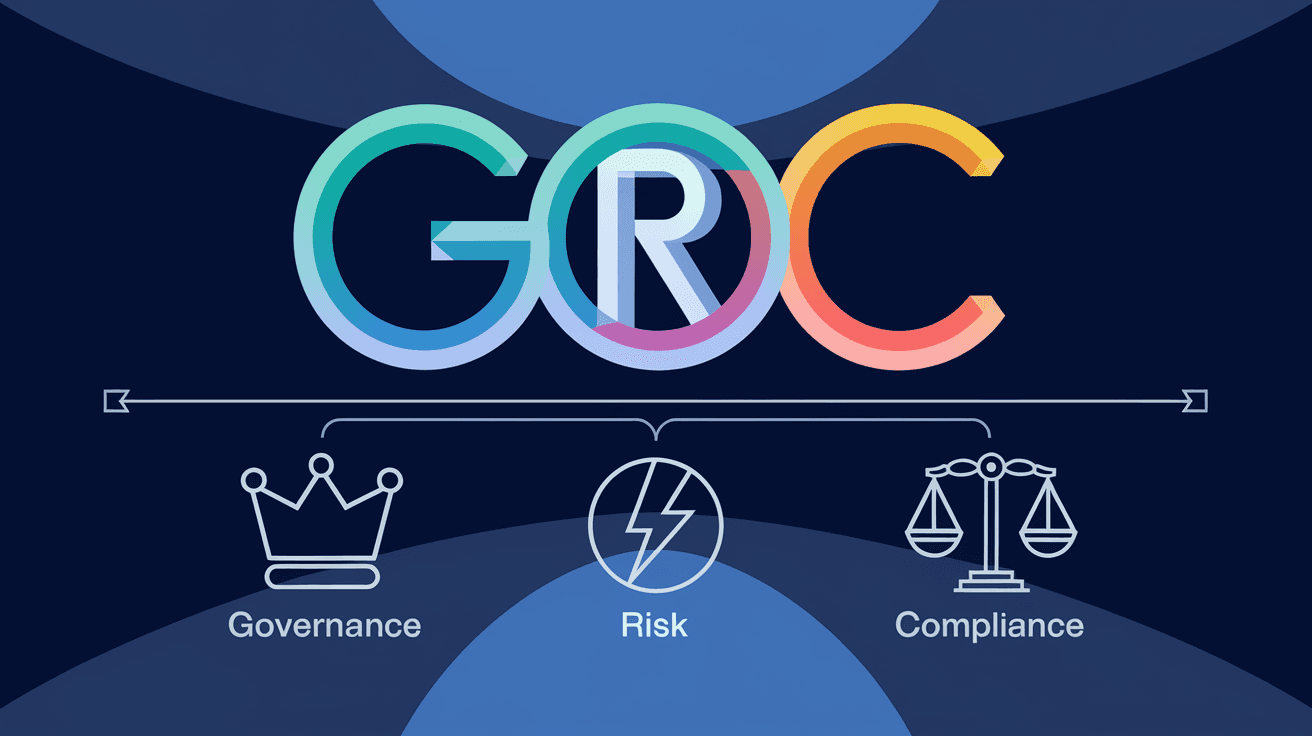
A GRC platform is a software solution that helps organizations manage three critical areas: governance, risk, and compliance. These areas are interconnected and essential for running a business responsibly and efficiently.
- Governance means setting rules, policies, and processes to guide how a company operates.
- Risk involves identifying, assessing, and managing potential threats that could harm the business.
- Compliance ensures the company follows laws, regulations, and internal policies.
A GRC platform brings all these elements together in one place. It provides tools to track policies, monitor risks, and ensure compliance with regulations. This integration helps companies avoid costly mistakes, reduce risks, and maintain trust with customers and regulators.
Why Use a GRC Platform?
Without a GRC platform, managing governance, risk, and compliance can be chaotic. Many companies rely on spreadsheets, emails, or disconnected systems, which leads to errors and missed deadlines. A GRC platform offers:
- Centralized control over policies and procedures.
- Automated risk assessments and alerts.
- Real-time compliance tracking.
- Reporting tools for audits and management reviews.
By using a GRC platform, you can improve decision-making, reduce operational risks, and save time on manual tasks.
Key Features of a GRC Platform
GRC platforms come with various features designed to simplify complex processes. Here are some of the most common and useful ones:
- Policy Management: Create, update, and distribute company policies easily. Employees can access the latest versions anytime.
- Risk Assessment: Identify risks, evaluate their impact, and prioritize actions to mitigate them.
- Compliance Management: Track regulatory requirements and ensure your company meets them.
- Audit Management: Plan and conduct audits, document findings, and follow up on corrective actions.
- Incident Management: Record and manage incidents or breaches to prevent future problems.
- Reporting and Analytics: Generate reports for stakeholders and analyze trends to improve governance.
- Workflow Automation: Automate repetitive tasks like approvals, notifications, and reminders.
These features work together to provide a comprehensive view of your organization's governance, risk, and compliance status.
How Does a GRC Platform Work?
A GRC platform works by integrating data from different departments and systems within your organization. It collects information about policies, risks, compliance requirements, and incidents. Then, it processes this data to provide insights and alerts.
Here’s a simple breakdown of how it operates:
- Data Collection: The platform gathers data from internal sources like HR, finance, IT, and external sources such as regulatory bodies.
- Risk Identification: It analyzes the data to spot potential risks and compliance gaps.
- Assessment and Prioritization: Risks are evaluated based on their likelihood and impact, helping you focus on the most critical issues.
- Action Management: The platform assigns tasks to responsible teams to address risks or compliance problems.
- Monitoring and Reporting: Continuous monitoring ensures that controls are effective, and reports keep management informed.
This cycle repeats regularly, creating a proactive approach to governance and risk management.
Benefits of Using a GRC Platform
Implementing a GRC platform offers many advantages for businesses of all sizes. Here are some key benefits you can expect:
- Improved Risk Visibility: You get a clear picture of risks across the organization, helping you make better decisions.
- Enhanced Compliance: Automated tracking reduces the chance of missing regulatory deadlines or requirements.
- Cost Savings: By preventing fines, penalties, and operational disruptions, you save money in the long run.
- Increased Efficiency: Automation reduces manual work, freeing up your team to focus on strategic tasks.
- Better Collaboration: Teams across departments can work together seamlessly on governance and compliance activities.
- Stronger Reputation: Demonstrating good governance and compliance builds trust with customers, partners, and regulators.
These benefits make a GRC platform a valuable investment for maintaining business integrity and resilience.
Who Uses GRC Platforms?
GRC platforms are used by a wide range of organizations, from small businesses to large enterprises. Industries with heavy regulations, such as finance, healthcare, and manufacturing, often rely on GRC tools to stay compliant.
Typical users include:
- Compliance Officers: To track regulatory changes and ensure adherence.
- Risk Managers: To identify and mitigate risks.
- Internal Auditors: To plan and execute audits.
- IT Security Teams: To manage cybersecurity risks and policies.
- Executives: To get a high-level view of governance and risk status.
No matter your role, a GRC platform can help you manage your responsibilities more effectively.
Choosing the Right GRC Platform
Selecting the right GRC platform depends on your organization’s needs and goals. Here are some factors to consider:
- Scalability: Can the platform grow with your business?
- Integration: Does it connect with your existing systems like ERP, HR, or IT tools?
- User-Friendliness: Is the interface easy to use for all team members?
- Customization: Can you tailor workflows and reports to your specific requirements?
- Compliance Coverage: Does it support the regulations relevant to your industry?
- Vendor Support: What kind of training and customer service does the provider offer?
- Cost: Is the pricing model affordable and transparent?
Take time to evaluate different options and request demos to find the best fit.
Implementing a GRC Platform Successfully
Rolling out a GRC platform requires careful planning and collaboration. Here are steps to ensure a smooth implementation:
- Define Objectives: Clarify what you want to achieve with the platform.
- Engage Stakeholders: Involve key departments early to get buy-in and input.
- Assess Current Processes: Understand your existing governance, risk, and compliance workflows.
- Plan Training: Prepare training sessions to help users get comfortable with the new system.
- Start Small: Pilot the platform in one area before expanding company-wide.
- Monitor Progress: Track adoption and address any issues promptly.
- Continuously Improve: Use feedback to refine processes and platform use.
Following these steps helps you maximize the benefits of your GRC platform.
The Future of GRC Platforms
GRC platforms are evolving rapidly with advances in technology. Here are some trends shaping their future:
- Artificial Intelligence (AI): AI helps automate risk detection and compliance monitoring.
- Cloud-Based Solutions: More platforms are moving to the cloud for easier access and scalability.
- Integration with Cybersecurity: GRC tools increasingly link with security systems to manage digital risks.
- Real-Time Analytics: Instant insights allow faster decision-making.
- User-Centric Design: Platforms are becoming more intuitive to encourage widespread adoption.
Staying updated on these trends will help you choose a platform that meets tomorrow’s challenges.
Conclusion
Understanding what a GRC platform is and how it works can transform the way you manage governance, risk, and compliance. It’s not just about avoiding penalties or audits—it’s about building a stronger, more resilient organization. By centralizing and automating these critical functions, a GRC platform helps you stay ahead of risks and maintain trust with stakeholders.
If you want your business to run smoothly and confidently in today’s complex environment, investing in a GRC platform is a smart move. With the right tool and approach, you can simplify compliance, reduce risks, and focus on growing your business.
FAQs
What does GRC stand for in business?
GRC stands for Governance, Risk, and Compliance. It refers to the coordinated approach organizations use to manage policies, risks, and regulatory requirements.
How does a GRC platform improve risk management?
A GRC platform identifies, assesses, and prioritizes risks, then assigns actions to mitigate them. It provides real-time monitoring and reporting to keep risks under control.
Can small businesses benefit from GRC platforms?
Yes, small businesses can use GRC platforms to streamline compliance, reduce risks, and improve operational efficiency, especially as regulations become more complex.
What industries use GRC platforms the most?
Industries like finance, healthcare, manufacturing, and energy rely heavily on GRC platforms due to strict regulatory environments and high operational risks.
Are GRC platforms expensive to implement?
Costs vary depending on the platform and company size. Many providers offer scalable pricing and cloud-based options, making GRC platforms accessible to various budgets.




