
What is External Audit Compliance
Introduction
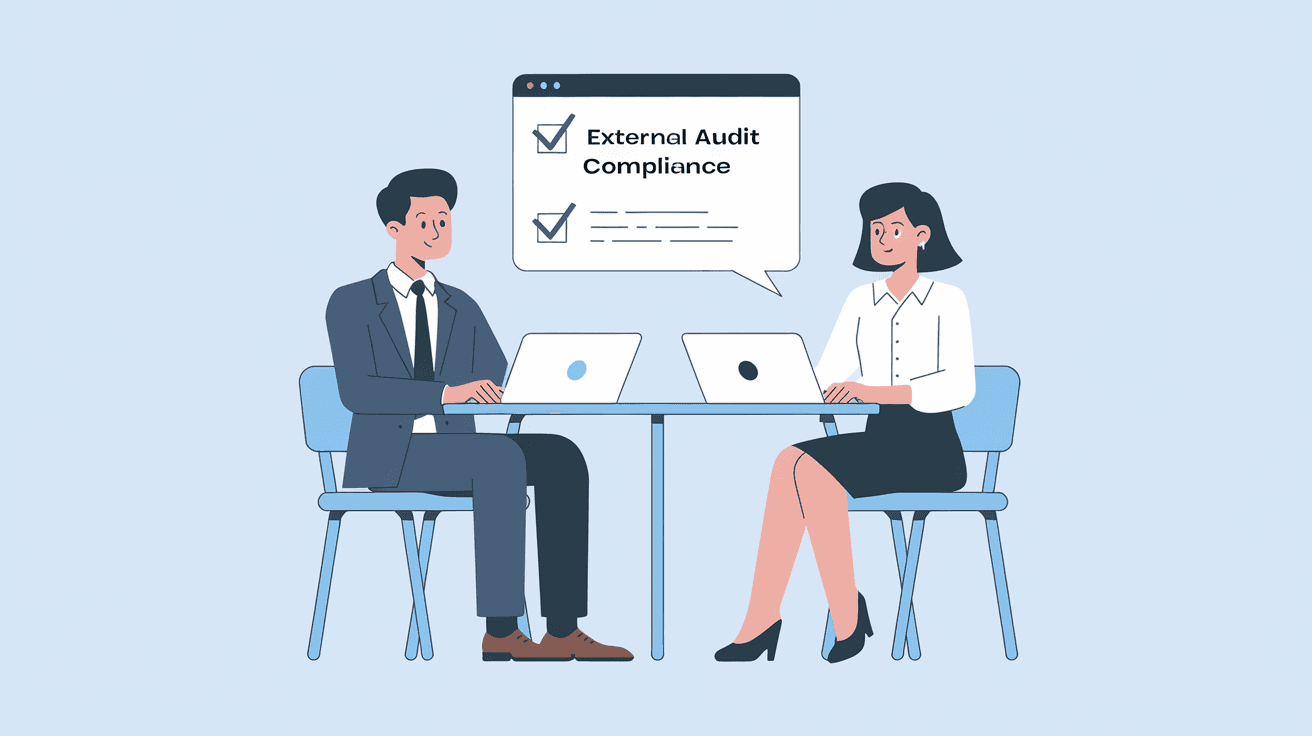
When you hear the term "external audit compliance," you might wonder what it really means and why it’s important for businesses. Simply put, it’s about making sure a company follows the rules and standards set by outside auditors. These auditors check if the company’s financial reports and operations are accurate and trustworthy.
You might be involved in a business or organization that needs to pass these audits. Understanding external audit compliance helps you prepare better and avoid costly mistakes. In this article, I’ll explain what external audit compliance is, why it matters, and how organizations can stay on track with it.
What is External Audit Compliance?
External audit compliance refers to the process where an independent third party reviews a company’s financial statements, operations, and controls to ensure they meet legal and regulatory standards. This audit is "external" because it is conducted by auditors who are not part of the company.
These auditors check if the company’s financial records are accurate and if the business follows laws and regulations. The goal is to provide assurance to investors, regulators, and the public that the company is honest and transparent.
Key Points About External Audit Compliance
- It involves independent auditors from outside the company.
- Auditors verify financial statements and internal controls.
- It ensures compliance with laws, accounting standards, and regulations.
- Helps build trust with stakeholders like investors and regulators.
- Often required by law for public companies and certain industries.
Why External Audit Compliance is Important
External audit compliance is crucial because it protects everyone involved with the company. When a company complies with audit standards, it shows that its financial information is reliable. This reliability is essential for investors who want to make informed decisions.
Moreover, regulators require companies to follow specific rules to prevent fraud and financial misstatements. Non-compliance can lead to penalties, legal issues, and damage to reputation. For example, a company failing an external audit might face fines or lose investor confidence.
Benefits of External Audit Compliance
- Transparency: Clear and accurate financial reporting.
- Risk Reduction: Identifies errors or fraud early.
- Legal Protection: Helps avoid fines and lawsuits.
- Improved Processes: Audits often highlight areas to improve.
- Investor Confidence: Builds trust and attracts investment.
How External Audits are Conducted
External audits follow a structured process to ensure thoroughness and fairness. Here’s how it usually works:
- Planning: Auditors learn about the company’s business and risks.
- Fieldwork: They examine financial records, transactions, and controls.
- Testing: Auditors test samples of data to check accuracy.
- Reporting: They prepare an audit report with findings and opinions.
- Follow-up: The company addresses any issues raised.
Auditors use standards like the International Standards on Auditing (ISA) or Generally Accepted Auditing Standards (GAAS) to guide their work. These standards ensure audits are consistent and reliable worldwide.
What Auditors Look For
- Accuracy of financial statements.
- Effectiveness of internal controls.
- Compliance with laws and regulations.
- Evidence of fraud or misstatements.
- Proper documentation and record-keeping.
Common Compliance Requirements in External Audits
Different industries and countries have specific rules for external audits. However, some common compliance requirements include:
- Financial Reporting Standards: Companies must follow standards like IFRS or GAAP.
- Internal Controls: Businesses need strong controls to prevent errors and fraud.
- Regulatory Filings: Timely submission of reports to government agencies.
- Ethical Standards: Auditors and companies must adhere to ethical guidelines.
- Documentation: Proper records to support financial data.
For example, public companies in many countries must file audited financial statements annually with securities regulators. Failure to comply can result in penalties or delisting from stock exchanges.
Challenges in Achieving External Audit Compliance
Meeting external audit compliance can be challenging. Companies often face these issues:
- Complex Regulations: Keeping up with changing laws and standards.
- Resource Constraints: Limited staff or budget for audit preparation.
- Data Accuracy: Ensuring all financial data is complete and correct.
- Internal Control Weaknesses: Gaps in processes that increase risk.
- Communication: Coordinating between auditors and company teams.
To overcome these challenges, companies invest in training, technology, and better internal controls. Using audit management software can also streamline the process and reduce errors.
Best Practices for Ensuring External Audit Compliance
You can take several steps to prepare your organization for a smooth external audit:
- Maintain Accurate Records: Keep detailed and organized financial documents.
- Strengthen Internal Controls: Regularly review and improve processes.
- Train Employees: Educate staff on compliance and audit requirements.
- Communicate Early: Work closely with auditors from the start.
- Use Technology: Implement software for tracking and reporting.
- Conduct Internal Audits: Perform self-checks to find issues before the external audit.
By following these practices, you reduce the risk of surprises during the audit and demonstrate your commitment to compliance.
The Role of Technology in External Audit Compliance
Technology plays a growing role in helping companies meet external audit compliance. Modern tools can automate data collection, monitor controls, and generate reports quickly.
Some popular technologies include:
- Audit Management Software: Centralizes audit tasks and documentation.
- Data Analytics: Helps auditors analyze large data sets for anomalies.
- Cloud Solutions: Provide secure access to financial information.
- AI and Machine Learning: Detect patterns that may indicate fraud or errors.
Using these technologies not only speeds up the audit process but also improves accuracy and transparency.
What Happens After an External Audit?
Once the external audit is complete, the auditors issue a report. This report usually includes:
- Audit Opinion: States if the financial statements are fair and accurate.
- Findings: Notes any issues or weaknesses found.
- Recommendations: Suggestions for improving controls or processes.
The company’s management reviews the report and takes action on any problems. They may need to fix errors, strengthen controls, or provide additional disclosures.
If the audit is successful, it boosts the company’s credibility. If not, the company must address the issues quickly to avoid penalties or loss of trust.
Conclusion
External audit compliance is a vital part of running a trustworthy and legally sound business. It ensures that your company’s financial information is accurate and that you follow all necessary rules. This process protects your business from risks like fraud, fines, and damaged reputation.
By understanding what external audit compliance involves and preparing properly, you can make the audit process smoother. Using best practices and technology helps you stay ahead and build confidence with investors and regulators. Remember, compliance is not just about passing audits—it’s about creating a culture of transparency and accountability.
FAQs
What is the main purpose of an external audit?
The main purpose is to provide an independent review of a company’s financial statements and controls to ensure accuracy and compliance with laws and standards.
Who performs an external audit?
External audits are performed by independent auditors or audit firms that are not part of the company being audited.
How often do companies need external audits?
Most public companies require annual external audits, but the frequency can vary depending on regulations and industry requirements.
What happens if a company fails an external audit?
Failing an audit can lead to penalties, legal issues, loss of investor trust, and may require corrective actions to fix problems.
Can technology replace external auditors?
Technology supports auditors by improving efficiency and accuracy but cannot fully replace the judgment and expertise of human auditors.




