
What is Extended Detection and Response (XDR)
Introduction
You might have heard about Extended Detection and Response, or XDR, as a new way to protect your digital world. If you’re wondering what it really means and why it matters, you’re in the right place. XDR is changing how businesses and individuals defend against cyber threats by connecting different security tools into one smart system.
In this article, I’ll explain what XDR is, how it works, and why it’s becoming a must-have in cybersecurity. Whether you’re a tech beginner or someone curious about security, you’ll get clear answers and practical insights to understand this powerful technology.
What is Extended Detection and Response (XDR)?
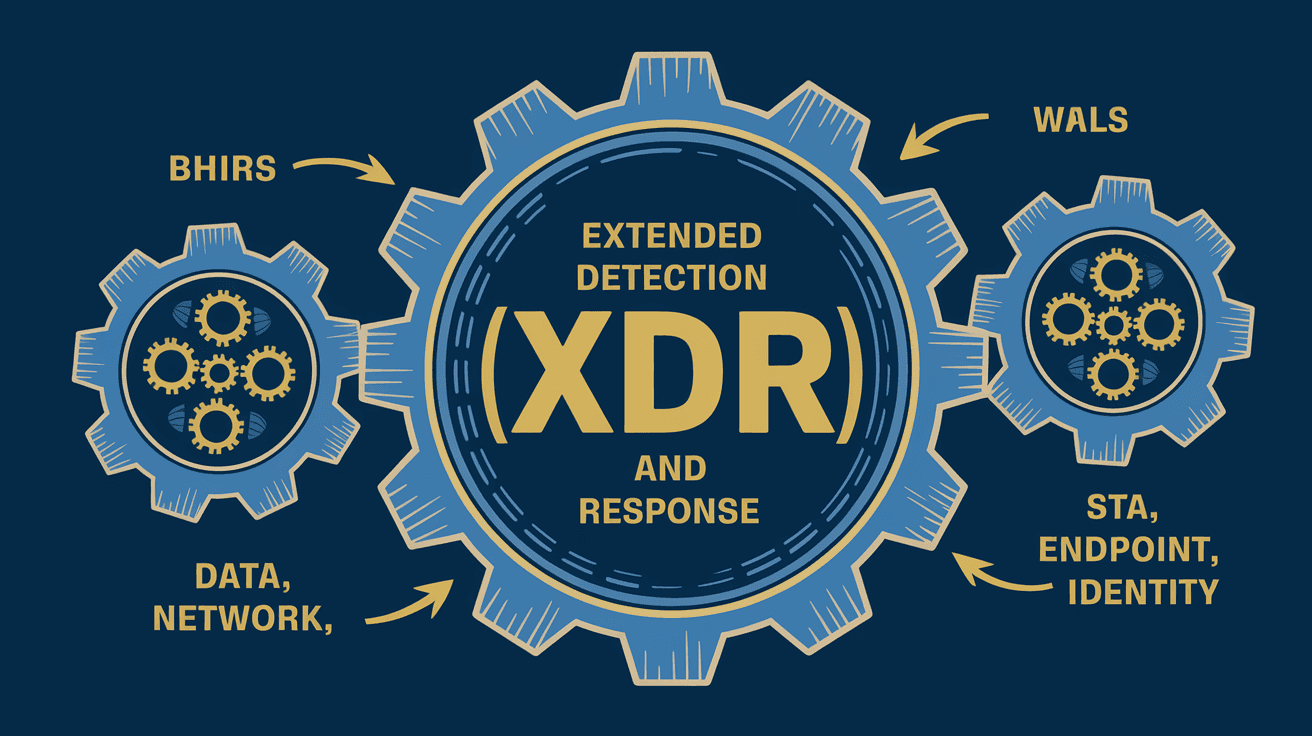
Extended Detection and Response, or XDR, is a cybersecurity approach that combines data from multiple security products into a single platform. Unlike traditional security tools that work separately, XDR connects things like endpoint protection, network monitoring, email security, and cloud defenses. This integration helps detect threats faster and respond more effectively.
XDR collects and analyzes data from various sources to give a complete picture of security events. This means it can spot complex attacks that might slip past individual tools. By automating detection and response, XDR reduces the time it takes to find and fix problems, making your security stronger and smarter.
How XDR Differs from Traditional Security Tools
- Traditional tools work in isolation, focusing on one area like antivirus or firewall.
- XDR integrates multiple tools, sharing data and insights.
- It provides centralized visibility across endpoints, networks, and cloud environments.
- XDR uses advanced analytics and automation to detect threats faster.
- It helps security teams respond to incidents with coordinated actions across systems.
How Does XDR Work?
XDR works by collecting security data from different sources and analyzing it in one place. This data can come from endpoints (like laptops and phones), networks, servers, cloud platforms, and email systems. The platform uses machine learning and behavioral analytics to identify suspicious activities.
Once a threat is detected, XDR can automatically trigger responses such as isolating infected devices, blocking malicious traffic, or alerting security teams. This reduces the need for manual intervention and speeds up threat mitigation.
Key Components of XDR
- Data Collection: Gathers logs, alerts, and telemetry from various security tools.
- Data Correlation: Links related events to identify attack patterns.
- Threat Detection: Uses AI and analytics to spot anomalies and threats.
- Automated Response: Executes predefined actions to contain or remove threats.
- Centralized Management: Provides a unified dashboard for monitoring and control.
Benefits of Using XDR
XDR offers several advantages over traditional security setups. It improves threat detection, simplifies security management, and enhances response times. Here’s why many organizations are adopting XDR:
- Improved Visibility: See all security events across your environment in one place.
- Faster Detection: Identify threats earlier by correlating data from multiple sources.
- Reduced Complexity: Manage fewer tools with a centralized platform.
- Automated Response: Quickly contain threats without waiting for manual actions.
- Better Threat Hunting: Use enriched data to investigate and understand attacks.
- Cost Efficiency: Lower operational costs by streamlining security processes.
XDR vs. EDR: What’s the Difference?
You might have heard of Endpoint Detection and Response (EDR) before. While EDR focuses only on endpoints like computers and mobile devices, XDR extends beyond that. It includes network traffic, cloud workloads, email systems, and more.
Comparison Table
| Feature | EDR | XDR |
| Scope | Endpoints only | Multiple security layers |
| Data Sources | Endpoint telemetry | Endpoint, network, cloud, email |
| Threat Detection | Endpoint-focused | Cross-layer, correlated detection |
| Response Automation | Endpoint isolation, alerts | Automated actions across systems |
| Visibility | Endpoint view | Unified, comprehensive view |
XDR provides a broader and more integrated defense, making it more effective against complex attacks.
Real-World Examples of XDR in Action
Many companies have started using XDR to improve their cybersecurity. For example:
- A financial firm used XDR to detect a phishing attack that targeted both email and endpoint devices. The system correlated suspicious email links with unusual endpoint behavior and blocked the attack quickly.
- A healthcare provider deployed XDR to monitor cloud workloads and network traffic. When ransomware activity was detected on a server, XDR automatically isolated the affected system and alerted the security team.
- A retail company used XDR to unify alerts from firewalls, endpoints, and email gateways. This helped reduce false positives and allowed faster investigation of real threats.
These examples show how XDR can protect different parts of an organization’s infrastructure by working as one system.
Challenges and Considerations When Implementing XDR
While XDR offers many benefits, it’s important to be aware of some challenges:
- Integration Complexity: Combining data from diverse tools can be difficult.
- Data Overload: Large volumes of data may require strong analytics to avoid alert fatigue.
- Cost: Some XDR solutions can be expensive for smaller organizations.
- Skill Requirements: Security teams need training to use XDR platforms effectively.
- Vendor Lock-in: Choosing a single vendor for XDR might limit flexibility.
To overcome these, organizations should carefully evaluate their needs, choose scalable solutions, and invest in staff training.
How to Choose the Right XDR Solution
Selecting the best XDR platform depends on your organization’s size, infrastructure, and security goals. Here are some tips:
- Assess Your Environment: Identify which data sources you want to integrate (endpoints, network, cloud).
- Look for Open Integration: Prefer solutions that support multiple vendors and tools.
- Check Automation Features: Ensure the platform offers automated detection and response capabilities.
- Evaluate Usability: The dashboard and alerts should be easy to understand and manage.
- Consider Scalability: The solution should grow with your organization’s needs.
- Review Support and Updates: Choose vendors with strong customer support and regular updates.
The Future of XDR
XDR is evolving rapidly as cyber threats become more sophisticated. Future developments include:
- Deeper AI Integration: Smarter analytics to predict and prevent attacks.
- Expanded Data Sources: Including IoT devices and operational technology.
- Improved User Behavior Analytics: Detecting insider threats more effectively.
- Cloud-Native XDR: Designed specifically for cloud environments.
- Greater Automation: More automatic remediation without human intervention.
As cybersecurity challenges grow, XDR will play a key role in protecting digital assets.
Conclusion
Extended Detection and Response (XDR) is transforming cybersecurity by connecting multiple security tools into one powerful system. It helps you detect threats faster, respond smarter, and manage security more easily. Whether you’re protecting a small business or a large enterprise, XDR offers a comprehensive way to stay ahead of cyber attacks.
By understanding how XDR works and what benefits it brings, you can make informed decisions about your security strategy. As threats evolve, adopting XDR can give you the visibility and control you need to keep your digital world safe.
FAQs
What types of threats can XDR detect?
XDR can detect malware, phishing, ransomware, insider threats, and advanced persistent threats by analyzing data from endpoints, networks, cloud, and email systems.
Is XDR suitable for small businesses?
Yes, many XDR solutions are scalable and can be tailored for small businesses, offering improved security without the complexity of managing multiple tools.
How does XDR improve incident response?
XDR automates threat detection and response actions, reducing the time between identifying a threat and containing it, which minimizes damage.
Can XDR work with existing security tools?
Most XDR platforms support integration with various third-party security products, allowing you to leverage your current investments.
What skills do security teams need for XDR?
Teams should understand threat detection, data analysis, and incident response, along with training on the specific XDR platform used.




