
What is Endpoint Analytics Platform
Introduction
You might have heard about Endpoint Analytics Platforms but wonder what they really are and why they matter. In today’s digital world, managing and securing devices like laptops, smartphones, and tablets is more important than ever. That’s where endpoint analytics platforms come in—they help you understand and improve the performance and security of all your devices.
In this article, I’ll explain what an Endpoint Analytics Platform is, how it works, and why it’s becoming a must-have tool for businesses and IT teams. By the end, you’ll see how these platforms can make your device management smarter and more efficient.
What is an Endpoint Analytics Platform?
An Endpoint Analytics Platform is a software solution designed to collect, analyze, and report data from endpoints—these are devices like computers, mobile phones, and tablets connected to a network. The platform helps IT teams monitor device health, performance, and security in real time.
Key Features of Endpoint Analytics Platforms
- Data Collection: Gathers detailed information about device usage, software, hardware, and network activity.
- Performance Monitoring: Tracks how well devices are running, identifying slowdowns or failures.
- Security Insights: Detects vulnerabilities, malware, or unauthorized access attempts.
- User Experience Analysis: Measures how users interact with their devices to spot issues affecting productivity.
- Reporting and Alerts: Provides dashboards and notifications to keep IT teams informed.
These features allow organizations to proactively manage their endpoints, reducing downtime and improving security.
How Does an Endpoint Analytics Platform Work?
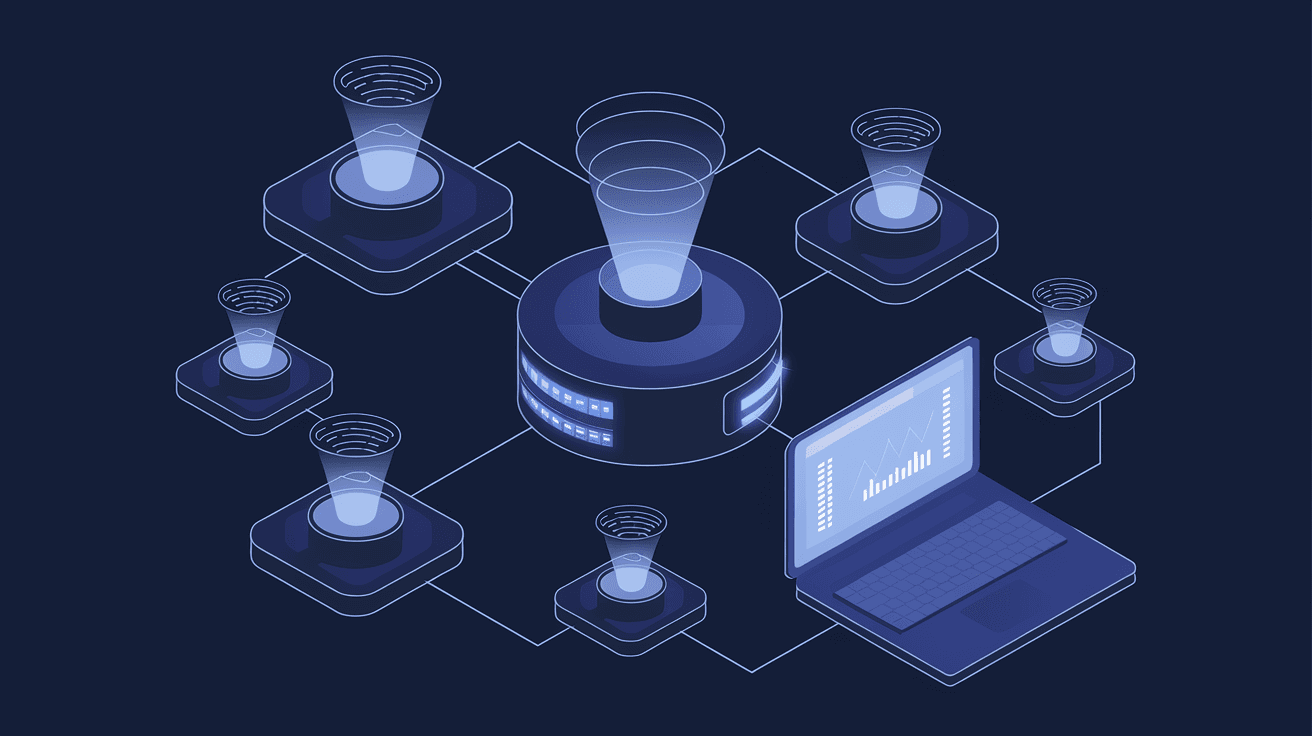
Endpoint Analytics Platforms work by installing lightweight agents or using built-in system tools on each device. These agents collect data continuously and send it to a central platform where it is processed and analyzed.
The Process in Detail
- Data Collection: The platform collects metrics like CPU usage, memory consumption, application crashes, and security events.
- Data Aggregation: Information from all endpoints is gathered in a central database.
- Analysis: Advanced algorithms and machine learning analyze the data to detect patterns, anomalies, and risks.
- Visualization: Results are displayed on dashboards with graphs, charts, and alerts.
- Actionable Insights: IT teams receive recommendations to fix issues or improve device performance.
This process helps organizations maintain a healthy and secure device environment without manual checks.
Why Are Endpoint Analytics Platforms Important?
In the modern workplace, employees use multiple devices to get work done. Managing these endpoints manually is nearly impossible, especially with remote work becoming common. Endpoint Analytics Platforms offer several benefits:
Benefits of Using an Endpoint Analytics Platform
- Improved Device Performance: Quickly identify and resolve slow or malfunctioning devices.
- Enhanced Security: Detect threats early and respond before damage occurs.
- Better User Experience: Understand how users interact with devices to reduce frustration.
- Cost Savings: Prevent expensive downtime and extend device lifespan.
- Compliance Support: Ensure devices meet industry regulations and standards.
By using these platforms, businesses can keep their IT environment running smoothly and securely.
Common Use Cases for Endpoint Analytics Platforms
Endpoint Analytics Platforms are versatile and used in many industries. Here are some common scenarios where they shine:
IT Operations and Support
- Monitor device health to reduce help desk tickets.
- Automate troubleshooting with real-time alerts.
- Plan hardware upgrades based on usage data.
Cybersecurity
- Detect unusual behavior indicating malware or hacking.
- Track patch compliance to close security gaps.
- Analyze endpoint vulnerabilities to prioritize fixes.
Employee Productivity
- Identify software causing crashes or slowdowns.
- Measure application usage to optimize licenses.
- Improve remote work setups by monitoring device performance.
These use cases show how endpoint analytics can support both technical and business goals.
Key Components of an Endpoint Analytics Platform
Understanding the main parts of these platforms helps you see how they deliver value.
1. Endpoint Agents
Small programs installed on devices to collect data without affecting performance.
2. Data Storage
A secure, scalable database that holds all collected endpoint information.
3. Analytics Engine
Processes data using algorithms and machine learning to find insights.
4. Dashboard and Reporting Tools
User-friendly interfaces that display data visually and send alerts.
5. Integration Capabilities
Connects with other IT systems like security tools, help desks, and asset management.
These components work together to provide a comprehensive view of endpoint health and security.
How to Choose the Right Endpoint Analytics Platform
Choosing the best platform depends on your organization’s needs. Here are some factors to consider:
Factors to Evaluate
- Device Coverage: Supports all types of endpoints you use.
- Data Depth: Collects detailed and relevant metrics.
- Security Features: Offers strong protection and compliance tools.
- Ease of Use: Has intuitive dashboards and reporting.
- Scalability: Can grow with your organization.
- Integration: Works well with your existing IT tools.
- Cost: Fits your budget without sacrificing features.
Try to test platforms with a pilot program before full deployment to ensure they meet your needs.
Challenges and Considerations
While Endpoint Analytics Platforms offer many benefits, there are some challenges to keep in mind:
Common Challenges
- Privacy Concerns: Collecting user data requires clear policies and transparency.
- Data Overload: Too much data can overwhelm IT teams without proper filtering.
- Agent Impact: Agents must be lightweight to avoid slowing devices.
- Integration Complexity: Connecting with multiple systems can be tricky.
- Cost Management: Balancing features and expenses is important.
Addressing these challenges upfront will help you get the most from your platform.
The Future of Endpoint Analytics Platforms
The endpoint analytics market is evolving rapidly. Here’s what to expect in the coming years:
Emerging Trends
- AI and Machine Learning: Smarter analysis for faster issue detection.
- Cloud-Based Platforms: Easier deployment and scalability.
- Unified Endpoint Management (UEM): Combining analytics with device control.
- Behavioral Analytics: Deeper insights into user actions for security.
- Automation: Automated remediation of common problems.
These trends will make endpoint analytics even more powerful and essential for IT teams.
Conclusion
Now you know that an Endpoint Analytics Platform is a vital tool for managing and securing all your devices. It collects and analyzes data to help IT teams improve performance, enhance security, and support users better. With the rise of remote work and complex device environments, these platforms are becoming indispensable.
Choosing the right platform means considering your device types, security needs, and budget. By embracing endpoint analytics, you can reduce downtime, prevent security threats, and create a smoother experience for everyone using your network. It’s a smart investment for any organization looking to stay ahead in today’s digital world.
FAQs
What types of devices do Endpoint Analytics Platforms support?
They typically support laptops, desktops, smartphones, tablets, and sometimes IoT devices, covering all endpoints connected to your network.
How does Endpoint Analytics improve security?
By continuously monitoring devices for unusual activity, vulnerabilities, and compliance issues, it helps detect and respond to threats quickly.
Can Endpoint Analytics Platforms work with remote workers?
Yes, they are designed to monitor devices regardless of location, making them ideal for supporting remote and hybrid workforces.
Is installing endpoint agents safe for device performance?
Modern agents are lightweight and optimized to minimize impact, ensuring they don’t slow down devices while collecting data.
Do Endpoint Analytics Platforms help with regulatory compliance?
Yes, they provide reports and monitoring tools to ensure devices meet industry standards and legal requirements.




