
What is Endpoint Access Control
Introduction
You might be wondering what endpoint access control means and why it’s important for your devices and data. In today’s digital world, where cyber threats are everywhere, protecting your endpoints—like laptops, smartphones, and tablets—is crucial. Endpoint access control helps you manage who can access your devices and what they can do on them.
In this article, I’ll explain what endpoint access control is, how it works, and why it’s a key part of cybersecurity. You’ll also learn about different methods and best practices to keep your systems safe from unauthorized access.
What is Endpoint Access Control?
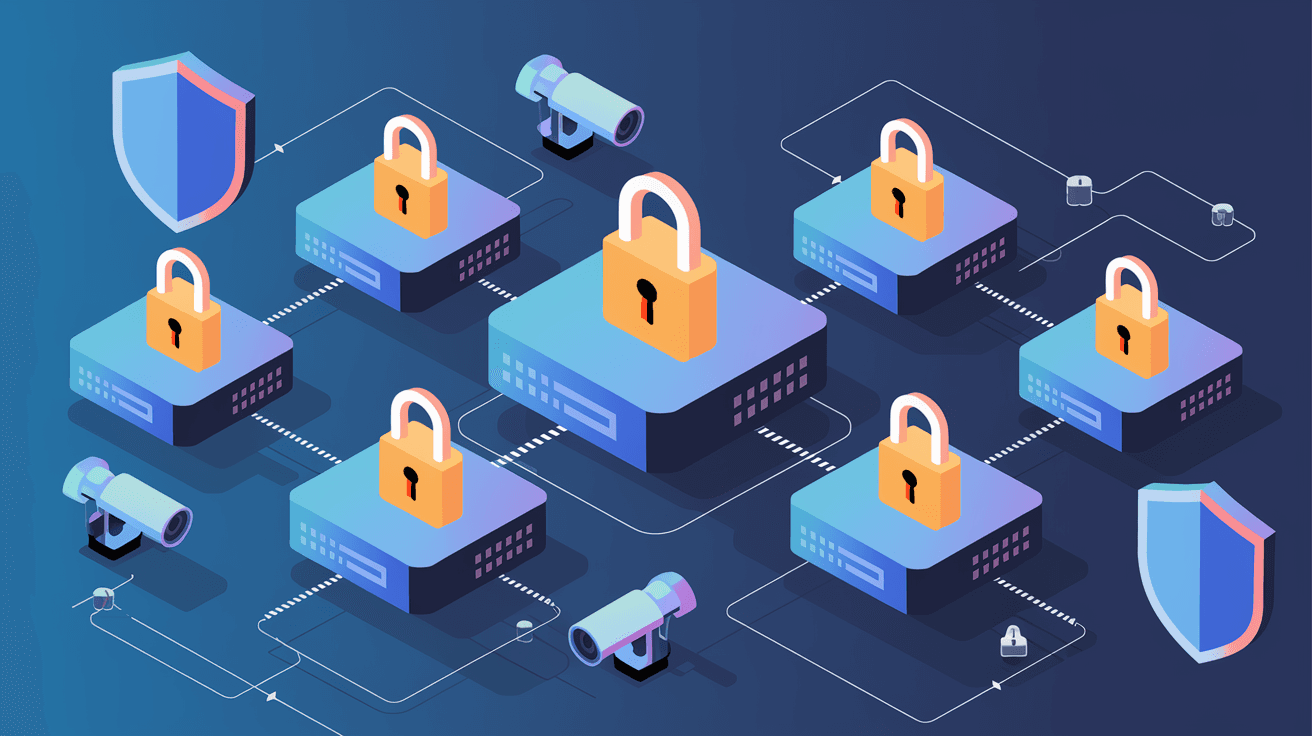
Endpoint access control is a security process that manages and restricts access to devices connected to a network. These devices, called endpoints, include computers, mobile phones, tablets, and even Internet of Things (IoT) devices. The goal is to ensure only authorized users and devices can access sensitive data or network resources.
By controlling access at the endpoint level, organizations reduce the risk of data breaches, malware infections, and unauthorized activities. This control is essential because endpoints are often the weakest link in cybersecurity defenses.
Key Features of Endpoint Access Control
- Authentication: Verifying the identity of users or devices before granting access.
- Authorization: Defining what actions users or devices can perform once access is granted.
- Device Compliance: Checking if the device meets security policies like updated software or antivirus.
- Monitoring and Logging: Tracking access attempts and activities for security audits.
Why is Endpoint Access Control Important?
Endpoint access control is vital because endpoints are common targets for cyberattacks. Hackers often exploit weak or stolen credentials to gain entry through endpoints. Without proper access control, attackers can steal sensitive information, install malware, or disrupt operations.
Here’s why endpoint access control matters:
- Protects Sensitive Data: Prevents unauthorized users from accessing confidential information.
- Reduces Malware Risks: Blocks infected or non-compliant devices from connecting to the network.
- Supports Compliance: Helps organizations meet legal and industry regulations like GDPR or HIPAA.
- Improves Network Security: Limits the spread of threats by controlling device access.
How Does Endpoint Access Control Work?
Endpoint access control works by combining several technologies and policies to verify and manage access. Here’s a simple breakdown of the process:
- User or Device Identification: The system asks for credentials like usernames, passwords, or biometric data.
- Device Health Check: It verifies if the device complies with security rules, such as having updated antivirus software.
- Access Decision: Based on identity and compliance, the system allows or denies access.
- Continuous Monitoring: Even after access is granted, the system monitors activities to detect suspicious behavior.
Common Technologies Used
- Multi-Factor Authentication (MFA): Requires users to provide two or more verification methods.
- Endpoint Detection and Response (EDR): Monitors endpoints for threats and responds automatically.
- Network Access Control (NAC): Controls device access based on security posture.
- Mobile Device Management (MDM): Manages and secures mobile devices remotely.
Types of Endpoint Access Control
There are several types of endpoint access control, each focusing on different aspects of security. Understanding these types helps you choose the right approach for your needs.
1. User-Based Access Control
This type focuses on verifying the identity of the user trying to access the endpoint. It uses methods like passwords, biometrics, or MFA to confirm who you are.
- Ensures only authorized users can log in.
- Can assign different permission levels based on roles.
2. Device-Based Access Control
Here, the focus is on the device itself. The system checks if the device is trusted and meets security standards before allowing access.
- Blocks devices that are outdated or infected.
- Ensures devices have necessary security software installed.
3. Role-Based Access Control (RBAC)
RBAC assigns access rights based on the user’s role within an organization. For example, an employee in finance may have different access than someone in marketing.
- Simplifies management by grouping permissions.
- Limits access to only what is necessary for the role.
4. Attribute-Based Access Control (ABAC)
ABAC uses multiple attributes like user role, device type, location, and time to decide access.
- Provides fine-grained control.
- Adapts access dynamically based on context.
Benefits of Implementing Endpoint Access Control
Implementing endpoint access control brings many advantages to individuals and organizations. Here are some key benefits:
- Enhanced Security: Reduces the risk of unauthorized access and data breaches.
- Improved Compliance: Helps meet regulatory requirements by enforcing security policies.
- Better Visibility: Provides detailed logs and reports on access activities.
- Reduced Insider Threats: Limits what users can do based on their roles and device status.
- Simplified Management: Centralizes control over multiple devices and users.
Best Practices for Endpoint Access Control
To get the most out of endpoint access control, follow these best practices:
- Use Strong Authentication: Implement MFA to add extra layers of security.
- Regularly Update Devices: Ensure all endpoints have the latest security patches and software.
- Enforce Device Compliance: Only allow devices that meet security standards to connect.
- Monitor Access Continuously: Use tools to track and analyze access patterns.
- Educate Users: Train employees on security policies and the importance of access control.
- Segment Networks: Limit access to sensitive areas based on user roles and device types.
Challenges in Endpoint Access Control
While endpoint access control is essential, it comes with some challenges:
- Complexity: Managing access for many devices and users can be complicated.
- User Experience: Strict controls may frustrate users if not implemented carefully.
- Device Diversity: Supporting various device types and operating systems requires flexible solutions.
- Evolving Threats: Cyber threats constantly change, requiring regular updates to access policies.
Addressing these challenges requires a balanced approach that combines strong security with usability.
Endpoint Access Control in the Future
As technology evolves, endpoint access control will become even more critical. Here are some trends to watch:
- AI and Machine Learning: These technologies will help detect unusual access patterns and respond faster to threats.
- Zero Trust Security: This model assumes no device or user is trusted by default and requires continuous verification.
- Integration with Cloud Services: Endpoint access control will expand to protect cloud applications and data.
- Biometric Advances: More secure and user-friendly biometric methods will become common.
Staying updated with these trends will help you keep your endpoints secure.
Conclusion
Endpoint access control is a key part of protecting your devices and data from cyber threats. By managing who and what can access your endpoints, you reduce the risk of unauthorized access and data breaches. Whether you’re an individual or an organization, understanding and implementing endpoint access control helps keep your digital world safe.
You’ve learned about the different types, technologies, and best practices for endpoint access control. Remember, combining strong authentication, device compliance, and continuous monitoring creates a robust defense. Staying informed about future trends will also help you adapt and maintain security in an ever-changing digital landscape.
FAQs
What devices are considered endpoints in endpoint access control?
Endpoints include devices like laptops, desktops, smartphones, tablets, and IoT devices that connect to a network and require protection.
How does multi-factor authentication improve endpoint access control?
MFA adds extra verification steps beyond passwords, making it harder for attackers to gain unauthorized access.
Can endpoint access control prevent malware infections?
Yes, by enforcing device compliance and blocking non-compliant or infected devices, it helps reduce malware risks.
What is the difference between RBAC and ABAC?
RBAC assigns access based on user roles, while ABAC uses multiple attributes like role, location, and device type for more detailed control.
Why is continuous monitoring important in endpoint access control?
Continuous monitoring detects suspicious activities after access is granted, helping to respond quickly to potential threats.




