
What is Edge Router Security
Introduction
When you think about protecting your network, you might focus on firewalls or antivirus software. But have you considered the role of your edge router? Edge router security is a crucial part of keeping your network safe from cyber threats. It acts as the first line of defense between your internal network and the outside world.
In this article, I’ll explain what edge router security means, why it’s important, and how you can improve it. Whether you’re managing a home network or a business system, understanding edge router security helps you keep your data and devices safe.
What Is an Edge Router?
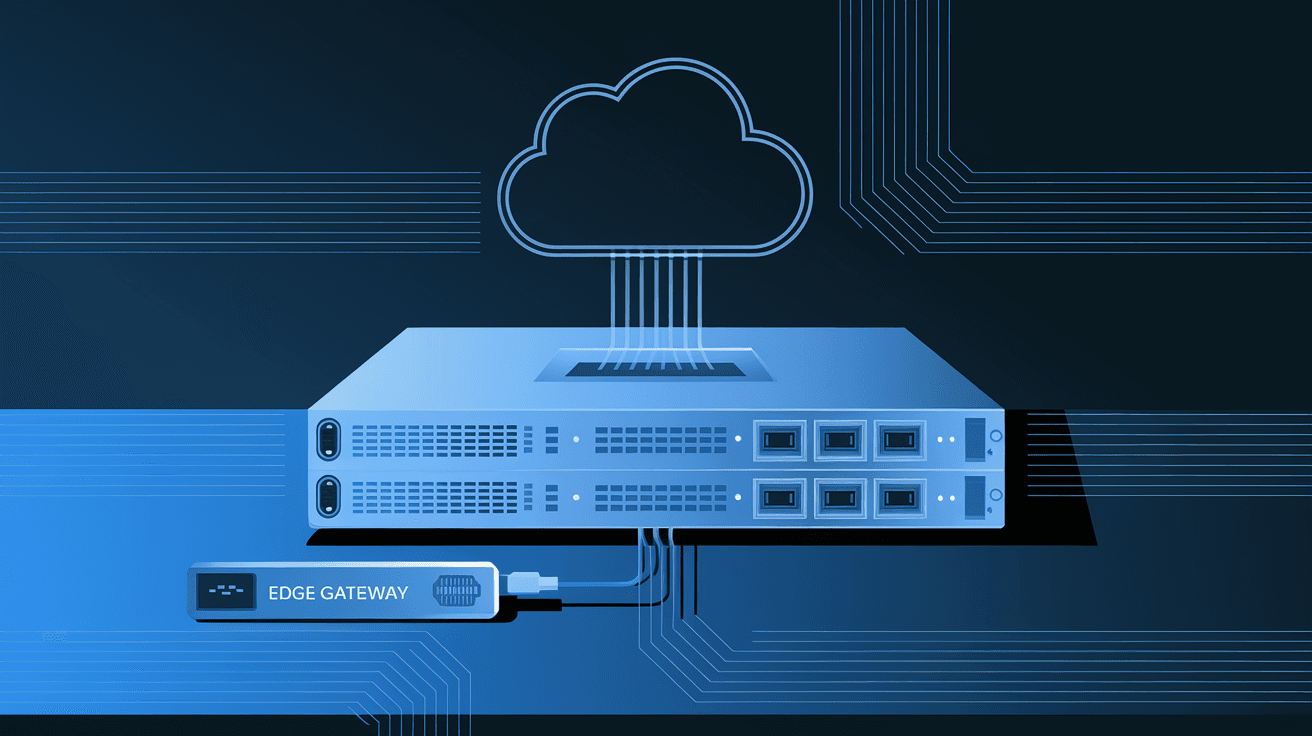
An edge router is a device that connects your internal network to external networks, such as the internet. It sits at the "edge" of your network, managing traffic between your local devices and outside sources.
- It directs data packets to their correct destinations.
- It controls incoming and outgoing traffic.
- It often handles routing between different networks.
Edge routers are common in businesses and internet service providers but are also found in advanced home networks. Because they manage all traffic entering and leaving your network, they are a critical point for security.
Why Is Edge Router Security Important?
Edge routers are the gatekeepers of your network. If they are not secure, attackers can exploit vulnerabilities to gain access to your systems.
Here’s why edge router security matters:
- First Line of Defense: They filter traffic before it reaches your internal network.
- Prevent Unauthorized Access: Secure routers block hackers from entering your network.
- Protect Sensitive Data: They help keep your personal or business information safe.
- Maintain Network Performance: Security features can prevent attacks that slow down your network.
Without proper edge router security, your entire network is at risk of cyberattacks like malware, ransomware, or data breaches.
Common Threats to Edge Routers
Edge routers face several types of cyber threats. Knowing these helps you understand what to protect against.
- Unauthorized Access: Hackers try to log in using weak passwords or default credentials.
- Denial of Service (DoS) Attacks: Attackers flood the router with traffic to disrupt service.
- Firmware Exploits: Vulnerabilities in router software can be exploited if not updated.
- Man-in-the-Middle Attacks: Intercepting data passing through the router.
- Configuration Attacks: Misconfigured routers can expose sensitive information.
These threats highlight the need for strong security measures on your edge router.
Key Features of Edge Router Security
To protect your network, edge routers come with several security features. Here are the most important ones:
- Firewall: Blocks unauthorized traffic based on rules you set.
- Access Control Lists (ACLs): Define which devices or IP addresses can communicate.
- Virtual Private Network (VPN) Support: Encrypts data for secure remote access.
- Intrusion Detection and Prevention Systems (IDS/IPS): Detects and blocks suspicious activity.
- Secure Management Interfaces: Use encrypted protocols like SSH or HTTPS for router management.
- Regular Firmware Updates: Fix vulnerabilities and improve security.
Using these features properly helps you build a strong defense at your network’s edge.
How to Secure Your Edge Router
Securing your edge router doesn’t have to be complicated. Here are practical steps you can take:
- Change Default Passwords: Use strong, unique passwords for router access.
- Update Firmware Regularly: Keep your router’s software up to date to patch security holes.
- Disable Unused Services: Turn off features like remote management if you don’t need them.
- Enable Firewall and ACLs: Set rules to control traffic flow.
- Use VPNs for Remote Access: Secure connections for users outside your network.
- Monitor Router Logs: Check for unusual activity or unauthorized access attempts.
- Segment Your Network: Separate sensitive devices from general traffic using VLANs.
These steps reduce the risk of attacks and improve overall network security.
Edge Router Security in Business Networks
Businesses rely heavily on edge routers to protect their data and operations. Here’s how edge router security fits into a business environment:
- Protect Customer Data: Compliance with regulations like GDPR requires strong network security.
- Prevent Downtime: Security breaches can cause costly outages.
- Support Remote Work: VPNs and secure access are essential for employees working from anywhere.
- Integrate with Security Systems: Edge routers work with firewalls, antivirus, and SIEM tools.
Businesses often invest in advanced edge routers with built-in security features and professional management to ensure robust protection.
Edge Router Security for Home Users
Home networks are increasingly targeted by cybercriminals, especially with more smart devices connected. Here’s what home users should focus on:
- Use a Secure Router: Choose models with good security features.
- Change Default Settings: Avoid using factory default passwords.
- Enable WPA3 Wi-Fi Encryption: Protect wireless traffic.
- Keep Firmware Updated: Regular updates fix vulnerabilities.
- Limit Remote Access: Disable remote management unless necessary.
- Use Guest Networks: Separate visitors’ devices from your main network.
Taking these steps helps protect your personal information and devices from common threats.
The Role of Edge Router Security in IoT Protection
The rise of Internet of Things (IoT) devices adds complexity to network security. Edge routers play a key role in protecting these devices:
- Isolate IoT Devices: Use network segmentation to keep IoT devices separate.
- Monitor Traffic: Detect unusual behavior from IoT devices.
- Apply Access Controls: Limit which devices can communicate with IoT gadgets.
- Update Router Firmware: Ensure security patches cover IoT-related vulnerabilities.
Since IoT devices often have weaker security, edge router protection is essential to prevent them from becoming entry points for attackers.
Future Trends in Edge Router Security
As cyber threats evolve, edge router security is also advancing. Here are some trends to watch:
- AI-Powered Threat Detection: Routers using artificial intelligence to identify and block attacks faster.
- Zero Trust Networking: Verifying every device and user before granting access.
- Cloud-Managed Routers: Centralized management for easier updates and monitoring.
- Enhanced Encryption: Stronger protocols to protect data in transit.
- Integration with 5G Networks: Securing faster, more complex network environments.
Staying informed about these trends helps you prepare your network for future challenges.
Conclusion
Edge router security is a vital part of protecting your network from cyber threats. It acts as the first barrier against unauthorized access and attacks. Whether you manage a home or business network, securing your edge router helps keep your data safe and your network running smoothly.
By understanding common threats and using available security features, you can strengthen your network’s defenses. Regular updates, strong passwords, and proper configuration are simple yet effective ways to improve edge router security. Staying proactive ensures your network stays protected in an ever-changing digital world.
FAQs
What is the main function of an edge router?
An edge router connects your internal network to external networks like the internet. It directs traffic and acts as a gateway, managing data flow between your devices and outside sources.
How does edge router security protect my network?
It blocks unauthorized access, filters harmful traffic, and prevents attacks like malware or DoS. This keeps your internal network safe from external threats.
Can I secure my home router without technical knowledge?
Yes. Changing default passwords, updating firmware, and enabling basic firewall settings are simple steps anyone can take to improve security.
Why are firmware updates important for edge routers?
Firmware updates fix security vulnerabilities and improve performance. Without updates, your router may be exposed to known threats.
What is network segmentation, and why is it useful?
Network segmentation divides your network into smaller parts. It limits access between devices, reducing the risk that a compromised device affects the entire network.




