
What is Edge Gateway
Introduction
You might have heard the term "Edge Gateway" popping up in conversations about smart devices and the Internet of Things (IoT). But what exactly is an Edge Gateway, and why is it becoming so important? If you’re curious about how data moves from your devices to the cloud or how networks stay secure and efficient, understanding Edge Gateways is a great place to start.
In this article, I’ll walk you through what an Edge Gateway is, how it works, and why it matters in today’s connected world. Whether you’re a tech enthusiast or just want to know how your smart home or business network functions, this guide will clear things up for you.
What is an Edge Gateway?
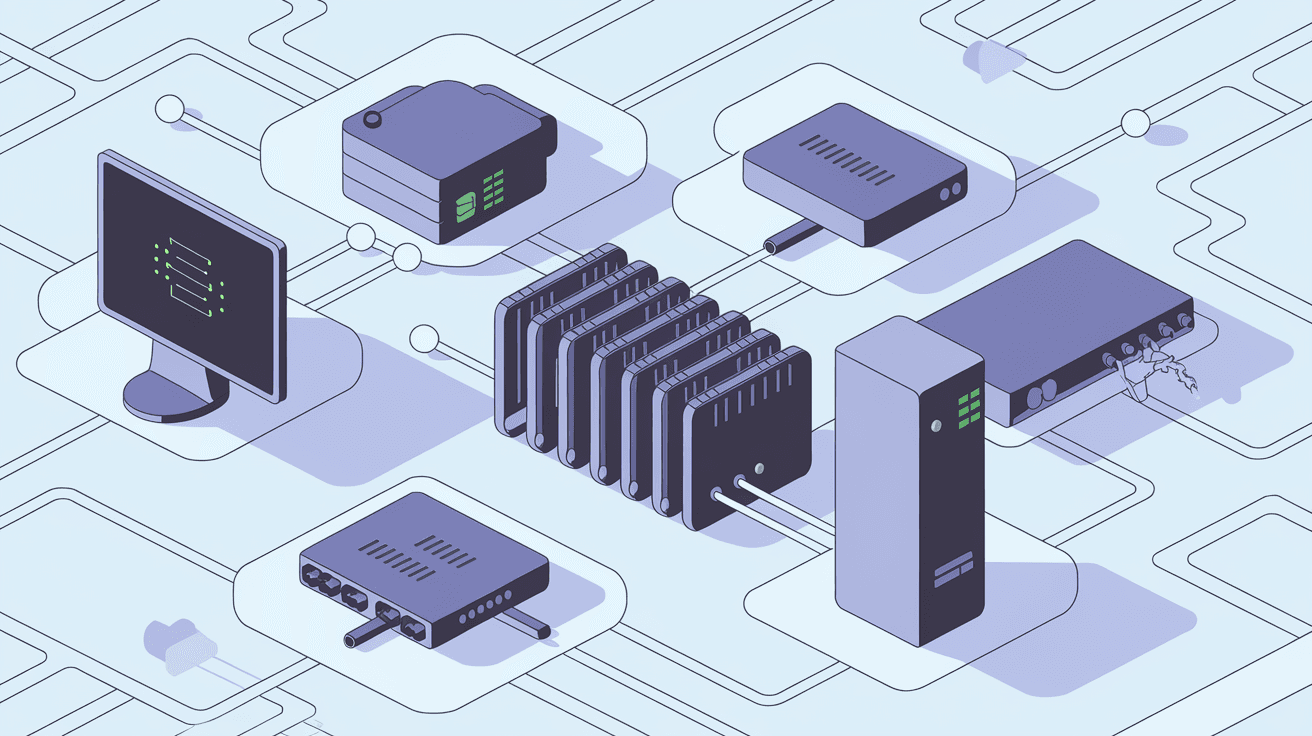
An Edge Gateway is a device or software that sits between local devices (like sensors, cameras, or machines) and the cloud or central data centers. It acts as a bridge, managing data flow and processing close to where the data is generated, which is called the "edge" of the network.
Unlike traditional gateways that simply pass data along, Edge Gateways often perform data filtering, analysis, and security checks before sending information to the cloud. This reduces latency, saves bandwidth, and improves overall system performance.
Key Functions of an Edge Gateway
- Data Aggregation: Collects data from multiple local devices.
- Data Filtering: Processes and filters data to send only what’s necessary.
- Protocol Translation: Converts data between different communication protocols.
- Security: Provides encryption and firewall protection at the edge.
- Local Decision Making: Enables real-time responses without cloud dependency.
How Does an Edge Gateway Work?
Edge Gateways work by connecting various devices in a local network and managing their communication with external networks or cloud services. Here’s a simple breakdown of the process:
- Data Collection: The gateway gathers data from connected devices like sensors or cameras.
- Local Processing: It analyzes or filters data locally to reduce unnecessary traffic.
- Protocol Conversion: Converts data formats or protocols so devices and cloud systems can understand each other.
- Secure Transmission: Encrypts and securely sends relevant data to the cloud or data center.
- Command Relay: Sends commands from the cloud back to devices for control or updates.
This local processing is crucial because it allows for faster decision-making and reduces the load on cloud servers.
Example Use Case
Imagine a factory floor with dozens of sensors monitoring temperature, humidity, and machine status. Instead of sending all raw data to the cloud, the Edge Gateway processes it locally, only sending alerts when something is out of range. This saves bandwidth and allows immediate action if needed.
Why Are Edge Gateways Important?
Edge Gateways have become essential in many industries because they solve several challenges related to data management, security, and network efficiency.
Benefits of Using Edge Gateways
- Reduced Latency: Processing data near the source means faster responses.
- Bandwidth Savings: Only important data is sent to the cloud, reducing network traffic.
- Improved Security: Local security measures protect devices and data before it leaves the network.
- Reliability: Systems can operate even if the cloud connection is lost.
- Scalability: Easier to add new devices without overwhelming central servers.
Industries Using Edge Gateways
- Manufacturing: For real-time monitoring and automation.
- Healthcare: Managing patient data from medical devices securely.
- Smart Cities: Controlling traffic lights, surveillance cameras, and environmental sensors.
- Retail: Monitoring inventory and customer behavior in stores.
- Energy: Managing smart grids and renewable energy sources.
Edge Gateway vs. Cloud Computing
You might wonder how Edge Gateways fit with cloud computing. They actually complement each other. While cloud computing offers powerful data storage and analysis, it can’t always provide the speed or reliability needed for real-time tasks.
Edge Gateways handle immediate processing and filtering, sending only necessary data to the cloud for deeper analysis or long-term storage. This hybrid approach balances speed, cost, and efficiency.
Comparison Table
| Feature | Edge Gateway | Cloud Computing |
| Location | Near data source (local network) | Remote data centers |
| Latency | Low (real-time processing) | Higher (depends on internet) |
| Data Volume | Processes and filters data locally | Stores and analyzes large data |
| Security | Local encryption and firewall | Centralized security measures |
| Dependency | Can operate offline | Requires internet connection |
Key Technologies Behind Edge Gateways
Edge Gateways use several technologies to perform their tasks effectively:
- IoT Protocols: Such as MQTT, CoAP, and OPC UA for device communication.
- Edge Computing Platforms: Software frameworks that enable local data processing.
- AI and Machine Learning: For analyzing data and making decisions on the edge.
- Security Tools: Including VPNs, firewalls, and encryption to protect data.
- Connectivity Options: Wi-Fi, Ethernet, 5G, and Bluetooth to connect devices.
These technologies allow Edge Gateways to be flexible and powerful in different environments.
How to Choose the Right Edge Gateway
If you’re considering an Edge Gateway for your project or business, here are some factors to keep in mind:
- Device Compatibility: Make sure it supports the protocols your devices use.
- Processing Power: Choose one that can handle your data volume and analysis needs.
- Security Features: Look for built-in encryption, firewalls, and secure boot options.
- Connectivity: Ensure it supports the network types you require (wired, wireless, cellular).
- Scalability: Can it grow with your system as you add more devices?
- Management Tools: Check if it offers easy remote management and updates.
Popular Edge Gateway Providers
- Cisco Edge Gateway
- HPE Edgeline
- Dell Edge Gateway
- Advantech Edge Gateway
- Siemens Industrial Edge Gateway
Each provider offers different features tailored to specific industries and use cases.
Challenges and Considerations
While Edge Gateways offer many benefits, there are some challenges to consider:
- Complexity: Setting up and managing edge devices can be more complex than cloud-only solutions.
- Cost: Initial investment in hardware and software might be higher.
- Security Risks: Edge devices can be targets for cyberattacks if not properly secured.
- Interoperability: Ensuring all devices and systems work together smoothly can be tricky.
Planning and choosing the right solution can help overcome these challenges.
Future Trends in Edge Gateways
The Edge Gateway market is evolving rapidly. Here are some trends to watch:
- AI Integration: More gateways will include AI for smarter local decision-making.
- 5G Connectivity: Faster and more reliable wireless connections will boost edge capabilities.
- Edge-to-Cloud Orchestration: Better tools for managing data flow between edge and cloud.
- Enhanced Security: Advanced security features like zero-trust models will become standard.
- Smaller, More Powerful Devices: Edge Gateways will become more compact and energy-efficient.
These trends will make Edge Gateways even more critical for the future of IoT and digital transformation.
Conclusion
Understanding what an Edge Gateway is helps you see how modern networks and IoT systems work efficiently and securely. By processing data close to where it’s created, Edge Gateways reduce delays, save bandwidth, and improve security. They are vital in industries from manufacturing to smart cities, enabling real-time decisions and reliable operations.
As technology advances, Edge Gateways will become smarter and more connected, playing a key role in the future of digital infrastructure. Whether you’re managing a smart home or running a large industrial network, knowing about Edge Gateways can help you make better technology choices.
FAQs
What devices typically connect to an Edge Gateway?
Devices like sensors, cameras, industrial machines, and smart meters usually connect to Edge Gateways to send data for local processing and cloud communication.
How does an Edge Gateway improve security?
It provides local encryption, firewall protection, and can filter data before sending it to the cloud, reducing exposure to cyber threats.
Can Edge Gateways operate without internet?
Yes, many Edge Gateways can process data and make decisions locally even if the internet connection is lost, ensuring continuous operation.
What is the difference between an Edge Gateway and a router?
A router directs network traffic, while an Edge Gateway processes, filters, and secures data at the network edge before forwarding it.
Are Edge Gateways expensive to implement?
Costs vary depending on features and scale, but investing in an Edge Gateway often saves money by reducing cloud data transfer and improving system efficiency.




