
What is E-Governance Policy
Introduction
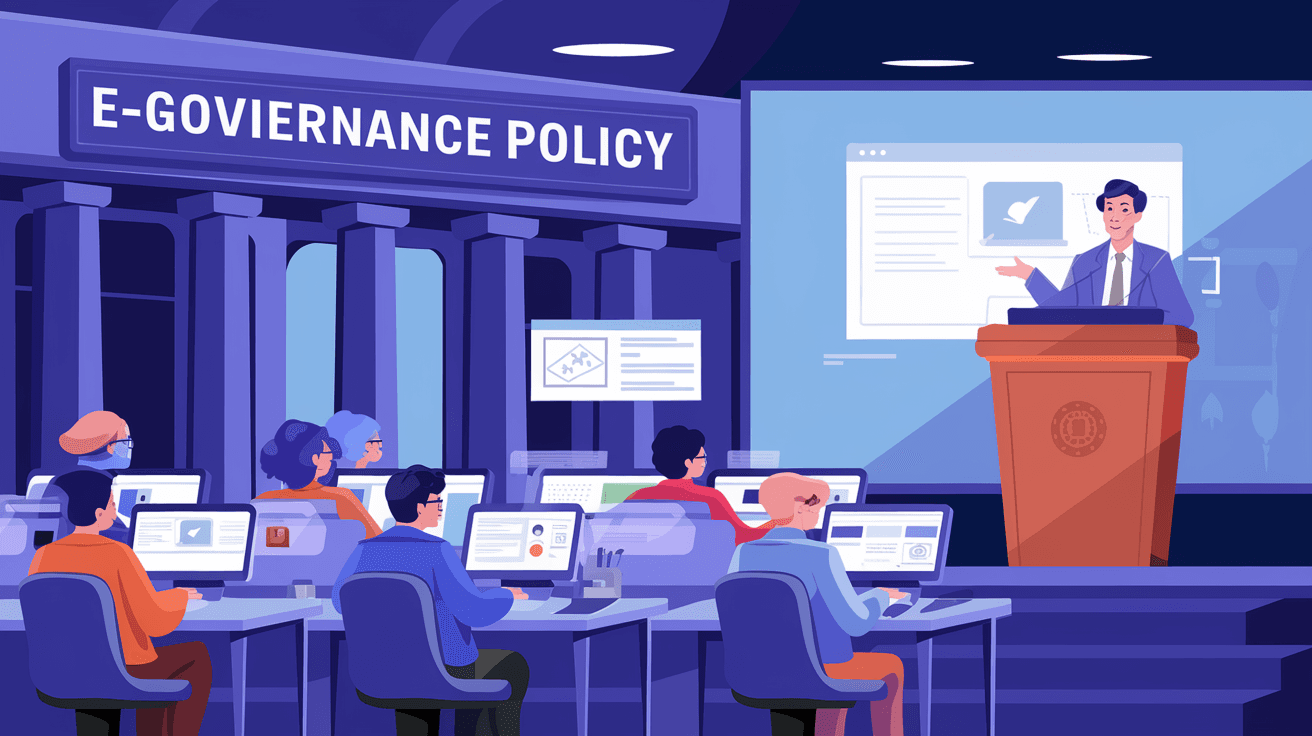
You might have heard the term "e-governance policy" but wondered what it really means. Simply put, e-governance policy is a set of rules and guidelines that help governments use digital tools to serve citizens better. It’s about making government services faster, more transparent, and easier to access.
In this article, I’ll walk you through what e-governance policy involves, why it matters, and how it changes the way governments work. Whether you’re a student, a professional, or just curious, understanding this policy helps you see how technology shapes our daily lives.
What is E-Governance Policy?
E-governance policy refers to the framework that guides how governments use information and communication technology (ICT) to deliver public services. It sets the standards, goals, and methods for digital interactions between government, citizens, businesses, and other agencies.
This policy aims to improve efficiency, transparency, and accountability in government operations. It covers everything from online portals for paying taxes to digital identity systems and electronic voting.
Key Features of E-Governance Policy
- Digital Service Delivery: Making government services available online.
- Transparency: Sharing information openly to reduce corruption.
- Citizen Participation: Enabling people to engage in decision-making through digital platforms.
- Interoperability: Ensuring different government systems work together.
- Data Security: Protecting sensitive information from cyber threats.
Why is E-Governance Policy Important?
Governments worldwide are adopting e-governance policies to keep up with the digital age. Here’s why it’s crucial:
- Improves Access: Citizens can access services anytime, anywhere, without visiting offices.
- Saves Time and Money: Reduces paperwork and speeds up processes.
- Enhances Transparency: Digital records make it easier to track government actions.
- Boosts Economic Growth: Simplifies business procedures and attracts investments.
- Strengthens Democracy: Encourages public participation and feedback.
For example, countries with strong e-governance policies have seen better public satisfaction and reduced corruption levels.
Components of E-Governance Policy
An effective e-governance policy includes several core components that work together to create a digital government ecosystem.
1. Legal Framework
This defines the laws and regulations that support digital governance. It covers data privacy, electronic signatures, cyber laws, and digital rights.
2. Infrastructure Development
Building reliable internet networks, data centers, and digital devices is essential. Without good infrastructure, e-governance cannot function smoothly.
3. Capacity Building
Training government staff and citizens to use digital tools is vital. This includes digital literacy programs and technical skill development.
4. Service Delivery Platforms
These are websites, mobile apps, and portals where citizens interact with government services. They must be user-friendly and accessible.
5. Data Management and Security
Policies must ensure data is collected, stored, and used responsibly. Cybersecurity measures protect against hacking and data breaches.
6. Monitoring and Evaluation
Regular checks help assess the effectiveness of e-governance initiatives and identify areas for improvement.
How E-Governance Policy Transforms Public Services
E-governance policy changes how governments provide services in many ways:
- Online Applications: You can apply for licenses, permits, or certificates online.
- Digital Payments: Paying taxes or utility bills through secure online portals.
- Grievance Redressal: Citizens can file complaints and track their status digitally.
- Information Access: Government data and reports are available online for transparency.
- Smart Cities: Using IoT and data analytics to improve urban services like traffic and waste management.
For instance, in many countries, e-governance has reduced the time to get a passport from weeks to days by digitizing the process.
Challenges in Implementing E-Governance Policy
Despite its benefits, implementing e-governance policy faces some hurdles:
- Digital Divide: Not everyone has internet access or digital skills.
- Resistance to Change: Some government employees and citizens prefer traditional methods.
- Privacy Concerns: Protecting personal data is a constant challenge.
- Funding Issues: Building and maintaining digital infrastructure requires significant investment.
- Interoperability Problems: Different government departments may use incompatible systems.
Addressing these challenges requires careful planning, public awareness campaigns, and continuous policy updates.
Examples of Successful E-Governance Policies
Several countries have set examples with their e-governance policies:
- Estonia: Known as a digital pioneer, Estonia offers almost all government services online, including e-residency and digital voting.
- Singapore: Their Smart Nation initiative integrates e-governance with urban planning and public services.
- India: The Digital India program focuses on improving digital infrastructure and service delivery across the country.
- South Korea: Uses advanced ICT to provide transparent and efficient public services.
These examples show how strong policies combined with technology can transform governance.
Future Trends in E-Governance Policy
Looking ahead, e-governance policies will evolve with new technologies and citizen expectations:
- Artificial Intelligence (AI): Automating routine tasks and improving decision-making.
- Blockchain: Enhancing transparency and security in transactions.
- 5G Connectivity: Enabling faster and more reliable digital services.
- Inclusive Design: Making services accessible to people with disabilities and rural populations.
- Data-Driven Governance: Using big data analytics to create better policies.
Governments will need to update their policies regularly to keep pace with these changes.
How You Can Benefit from E-Governance Policy
As a citizen, you can take advantage of e-governance policies by:
- Using online portals for government services to save time.
- Participating in digital consultations and feedback platforms.
- Staying informed about your digital rights and data privacy.
- Learning basic digital skills to navigate e-services confidently.
- Encouraging local governments to adopt and improve e-governance initiatives.
Being proactive helps you get the most out of digital governance.
Conclusion
E-governance policy is the backbone of modern digital government. It sets the rules and standards for using technology to make public services more efficient, transparent, and accessible. By understanding this policy, you see how governments worldwide are transforming to meet the needs of their citizens in a digital world.
As technology advances, e-governance policies will continue to evolve, offering new opportunities and challenges. Staying informed and engaged helps you benefit from these changes and contribute to better governance in your community.
FAQs
What is the main goal of e-governance policy?
The main goal is to use digital tools to improve government service delivery, increase transparency, and promote citizen participation.
How does e-governance policy improve transparency?
By making government data and processes available online, it reduces corruption and allows citizens to monitor government actions.
What are the challenges of e-governance policy?
Challenges include digital divide, privacy concerns, resistance to change, funding, and interoperability issues.
Can e-governance policy help in rural areas?
Yes, with proper infrastructure and training, e-governance can improve access to services in rural and remote areas.
How does data security fit into e-governance policy?
Data security ensures that citizens’ personal information is protected from cyber threats and misuse during digital interactions.




