
What is Dumpster Diving
Introduction
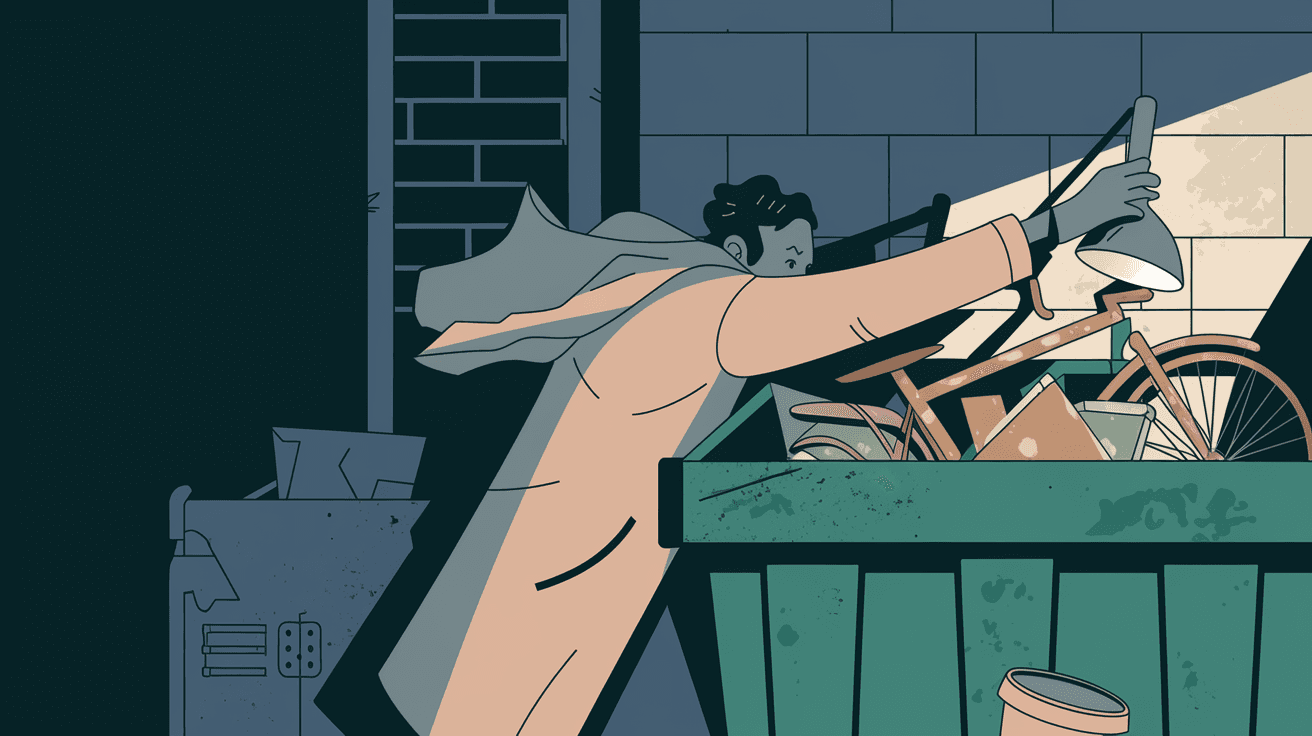
Have you ever wondered what dumpster diving really means? You might picture someone rummaging through trash, but there’s more to it than just digging through garbage. Dumpster diving is a practice where people search through dumpsters or trash bins to find useful items that others have thrown away.
In this article, I’ll explain what dumpster diving is, why people do it, and how you can do it safely and legally. Whether you’re curious about saving money, reducing waste, or just learning about this unique activity, you’ll find helpful information here.
What Is Dumpster Diving?
Dumpster diving is the act of searching through dumpsters, trash bins, or waste containers to find items that are still useful or valuable. People who dumpster dive look for things like food, furniture, electronics, or clothing that others have discarded but can still be used.
This practice is not just about scavenging; it’s often motivated by environmental concerns, financial savings, or even a lifestyle choice. Dumpster diving can help reduce waste by rescuing items that would otherwise end up in landfills.
Common Items Found in Dumpsters
- Food: Unopened or slightly damaged packaged food, bread, fruits, and vegetables.
- Furniture: Chairs, tables, and shelves that are still in good condition.
- Electronics: Gadgets, cables, and appliances that may only need minor repairs.
- Clothing: Wearable clothes, shoes, and accessories.
- Books and Media: Books, DVDs, and CDs that people no longer want.
Why Do People Dumpster Dive?
People dumpster dive for many reasons, and understanding these can help you see the value behind this activity.
Environmental Impact
Dumpster diving helps reduce waste by saving items that can be reused or recycled. By rescuing food and goods, divers contribute to lowering landfill waste and reducing pollution.
Financial Savings
For many, dumpster diving is a way to save money. Finding usable items for free can help people on tight budgets or those who want to live frugally.
Lifestyle and Philosophy
Some people choose dumpster diving as part of a minimalist or zero-waste lifestyle. It aligns with values like sustainability, anti-consumerism, and reducing environmental footprints.
Community and Social Awareness
Dumpster diving can raise awareness about food waste and consumer habits. Some organizations use it to highlight how much good food is wasted daily.
Is Dumpster Diving Legal?
The legality of dumpster diving varies depending on where you live. It’s important to understand the laws in your area before you start.
Legal Considerations
- Public vs. Private Property: Dumpster diving is usually legal on public property but may be illegal on private property without permission.
- Local Laws: Some cities have specific ordinances that prohibit or regulate dumpster diving.
- Trespassing: Entering private property to access dumpsters can lead to trespassing charges.
- Health and Safety Regulations: Handling discarded food or items may be subject to health codes.
How to Dumpster Dive Legally
- Always seek permission if the dumpster is on private property.
- Research local laws and regulations.
- Avoid breaking locks or barriers.
- Respect signs that prohibit scavenging.
How to Dumpster Dive Safely
Safety is crucial when dumpster diving. You want to avoid injuries, infections, or legal trouble.
Safety Tips
- Wear Protective Gear: Gloves, long sleeves, and sturdy shoes protect you from sharp objects and germs.
- Check the Area: Make sure the dumpster is safe to access and well-lit.
- Avoid Hazardous Materials: Stay away from broken glass, chemicals, or spoiled food.
- Use Tools: A flashlight and grabber tool can help you reach items safely.
- Be Mindful of Traffic: If diving near roads or parking lots, stay alert to vehicles.
Health Precautions
- Wash your hands thoroughly after diving.
- Avoid touching your face while handling trash.
- Disinfect any items you plan to use.
- Don’t consume perishable food unless you’re sure it’s safe.
Dumpster Diving and Food Waste
One of the biggest benefits of dumpster diving is reducing food waste. Millions of tons of edible food are thrown away every year, and dumpster diving helps rescue some of it.
How Dumpster Diving Helps Food Waste
- Rescuing Edible Food: Many stores discard food that is near expiration but still safe to eat.
- Raising Awareness: Dumpster divers often share their finds to educate others about food waste.
- Supporting Food Sharing: Some communities organize food-sharing programs using rescued food.
Tips for Safe Food Dumpster Diving
- Look for sealed packages or unopened items.
- Avoid food that looks spoiled, moldy, or smells bad.
- Check expiration dates carefully.
- Cook or clean food thoroughly before eating.
Dumpster Diving Equipment and Tools
Having the right tools can make dumpster diving easier and safer.
Essential Tools
- Gloves: Protect your hands from cuts and germs.
- Flashlight: Helps you see inside dark dumpsters.
- Grabber Tool: Allows you to reach items without climbing.
- Reusable Bags or Boxes: For carrying your finds.
- Face Mask: Protects against dust and odors.
Optional Gear
- Knee Pads: Useful if you need to kneel or crouch.
- Hand Sanitizer: For quick cleaning on the go.
- Camera or Phone: To document your finds or check local rules.
Dumpster Diving Etiquette
Being respectful and considerate is important when dumpster diving.
Guidelines to Follow
- Don’t make a mess or leave trash behind.
- Avoid disturbing other people or businesses.
- Take only what you can use.
- Respect “No Trespassing” signs.
- Be discreet and avoid drawing unwanted attention.
Dumpster Diving Communities and Resources
Many people dumpster dive as part of a community. Joining groups can help you learn tips and find safe locations.
Where to Find Communities
- Online forums and social media groups.
- Local zero-waste or sustainability organizations.
- Food rescue and sharing networks.
- Workshops and meetups.
Benefits of Joining a Community
- Share advice and experiences.
- Learn about legal and safety updates.
- Find new dumpster diving spots.
- Connect with like-minded people.
Conclusion
Dumpster diving is more than just searching through trash. It’s a way to save money, reduce waste, and live more sustainably. By understanding what dumpster diving is, why people do it, and how to do it safely and legally, you can decide if it’s right for you.
If you choose to try dumpster diving, remember to respect the law, prioritize safety, and be mindful of others. With the right approach, dumpster diving can be a rewarding and eye-opening experience that benefits both you and the environment.
FAQs
What items are safe to take from dumpsters?
Safe items include sealed packaged food, intact furniture, electronics in good condition, and clean clothing. Always inspect items carefully and avoid anything broken or spoiled.
Is dumpster diving considered stealing?
Dumpster diving is not usually considered stealing if the items are discarded and on public property. However, taking items from private property without permission can be illegal.
Can I get sick from dumpster diving?
There is a risk of illness if you handle spoiled food or contaminated items. Wearing gloves, washing hands, and avoiding hazardous materials reduce this risk.
How do I find good dumpsters to dive in?
Look near grocery stores, bakeries, or large retailers. Joining local dumpster diving groups can help you find reliable spots.
Is dumpster diving environmentally friendly?
Yes, dumpster diving helps reduce waste by rescuing usable items and food, lowering landfill contributions, and promoting sustainability.




