
What is Due Diligence Assessment
Introduction
When you’re about to make a big decision, like buying a company or investing in a project, you want to be sure you’re making the right choice. That’s where due diligence assessment comes in. It’s a process that helps you gather and analyze important information before committing to a deal.
In this article, I’ll walk you through what due diligence assessment means, why it’s essential, and how you can carry it out effectively. Whether you’re a business owner, investor, or just curious, understanding this process will help you avoid risks and make smarter decisions.
What is Due Diligence Assessment?
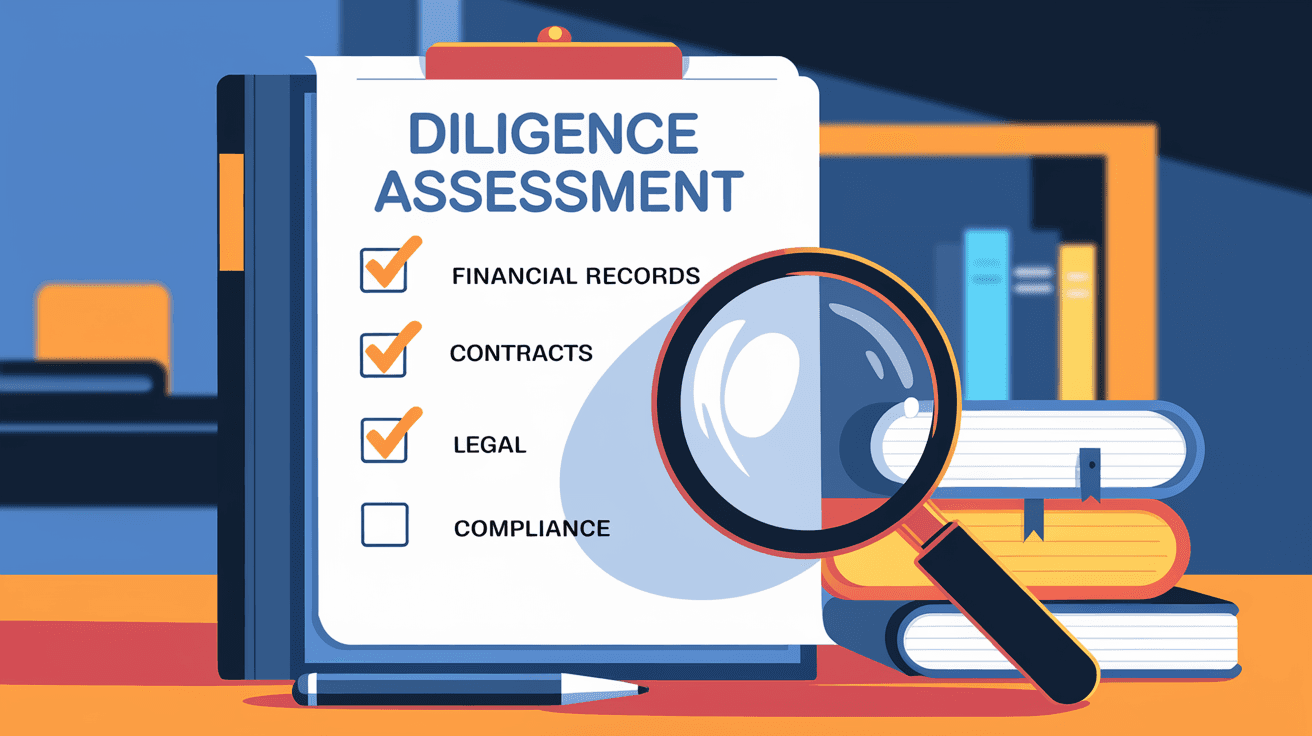
Due diligence assessment is a thorough investigation or audit of a potential investment, business, or transaction. It involves reviewing financial records, legal documents, operations, and other key areas to confirm facts and identify risks.
This process helps you verify the accuracy of information provided and uncover any hidden problems. It’s like doing your homework before signing a contract or handing over money.
Key Areas Covered in Due Diligence
- Financial Review: Examining balance sheets, income statements, and cash flow.
- Legal Check: Looking at contracts, licenses, and any ongoing litigation.
- Operational Analysis: Understanding how the business runs day-to-day.
- Market Evaluation: Assessing competitors, customers, and industry trends.
- Compliance: Ensuring all regulations and standards are met.
By covering these areas, you get a clear picture of what you’re getting into.
Why is Due Diligence Assessment Important?
Due diligence assessment is crucial because it helps you avoid costly mistakes. Without it, you might buy a business with hidden debts or invest in a project that’s not legally compliant.
Here are some reasons why it matters:
- Risk Reduction: Identifies potential problems before they become your problem.
- Informed Decisions: Gives you facts to base your choices on, not just promises.
- Negotiation Power: Helps you negotiate better terms by knowing the true value.
- Legal Protection: Ensures you comply with laws and avoid penalties.
- Confidence: Builds trust between parties involved in the deal.
In short, due diligence protects your investment and peace of mind.
Types of Due Diligence Assessments
Due diligence isn’t one-size-fits-all. Depending on the deal, you might focus on different types:
Financial Due Diligence
This is the most common type. It involves a deep dive into financial statements, tax returns, and accounting practices. The goal is to confirm profitability and cash flow stability.
Legal Due Diligence
Here, you check all legal aspects like contracts, intellectual property rights, and any pending lawsuits. This ensures there are no legal surprises after the deal.
Operational Due Diligence
This looks at the company’s operations, including supply chains, production processes, and employee matters. It helps assess efficiency and potential operational risks.
Commercial Due Diligence
This type focuses on the market environment, customer base, and competition. It helps you understand growth potential and market position.
Environmental Due Diligence
Increasingly important, this checks for environmental risks such as pollution or regulatory compliance related to sustainability.
How to Conduct a Due Diligence Assessment
Conducting a due diligence assessment can seem overwhelming, but breaking it down into steps makes it manageable.
Step 1: Define Your Objectives
Know what you want to achieve. Are you buying a business, investing, or partnering? This will guide what information you need.
Step 2: Gather Documents and Data
Request all relevant documents such as financial reports, contracts, licenses, and operational manuals.
Step 3: Analyze the Information
Review the data carefully. Look for inconsistencies, unusual trends, or red flags.
Step 4: Conduct Interviews and Site Visits
Talk to key people like management, employees, and customers. Visit facilities to see operations firsthand.
Step 5: Identify Risks and Opportunities
List potential risks and benefits. Consider how they affect your decision.
Step 6: Prepare a Due Diligence Report
Summarize your findings clearly. Highlight critical issues and recommendations.
Step 7: Make an Informed Decision
Use the report to decide whether to proceed, negotiate terms, or walk away.
Common Challenges in Due Diligence Assessment
Even with a clear process, you might face some hurdles:
- Incomplete Information: Sometimes, sellers don’t provide all documents.
- Time Constraints: Due diligence can be time-consuming.
- Complex Data: Financial and legal data can be hard to interpret.
- Bias: Emotional attachment might cloud judgment.
- Hidden Risks: Some issues only surface after the deal.
To overcome these, consider hiring experts like accountants, lawyers, or consultants.
Tools and Technologies for Due Diligence
Technology has made due diligence more efficient and accurate. Here are some tools commonly used:
- Data Rooms: Secure online platforms to share documents.
- Financial Software: Tools like QuickBooks or SAP for financial analysis.
- Legal Databases: Platforms to check legal histories and compliance.
- AI and Analytics: Software that detects anomalies or predicts risks.
- Project Management Tools: To track progress and tasks during the process.
Using these tools can save time and improve accuracy.
Due Diligence in Different Contexts
Due diligence applies in many situations beyond buying a business:
Mergers and Acquisitions (M&A)
In M&A, due diligence is critical to evaluate the target company’s value and risks.
Real Estate Transactions
Buyers assess property titles, zoning laws, and environmental conditions.
Hiring Key Employees
Companies perform background checks and verify credentials.
Investment Decisions
Investors analyze startups or funds before committing capital.
Vendor Selection
Businesses evaluate suppliers for reliability and compliance.
Best Practices for Effective Due Diligence
To get the most out of your due diligence assessment, keep these tips in mind:
- Start Early: Begin as soon as possible to avoid rushed decisions.
- Be Thorough: Don’t skip any area, even if it seems minor.
- Stay Objective: Focus on facts, not emotions.
- Use Experts: Bring in professionals for complex issues.
- Communicate Clearly: Keep all parties informed throughout the process.
- Document Everything: Keep records of findings and communications.
Following these practices helps ensure a smooth and successful assessment.
Conclusion
Due diligence assessment is a vital step in any major business or investment decision. It helps you uncover important facts, assess risks, and make informed choices. By understanding what it involves and how to conduct it properly, you protect yourself from surprises and increase your chances of success.
Whether you’re buying a company, investing, or entering a partnership, taking the time to perform due diligence is always worth it. It’s your best tool for making smart, confident decisions that stand the test of time.
FAQs
What is the main purpose of a due diligence assessment?
The main purpose is to verify information and identify risks before completing a business deal or investment. It helps ensure you make informed decisions and avoid surprises.
How long does a typical due diligence assessment take?
The duration varies but usually takes a few weeks to a few months, depending on the deal’s complexity and the amount of information to review.
Who should be involved in the due diligence process?
Key people include buyers, investors, legal advisors, accountants, and sometimes industry experts to cover all necessary areas.
Can due diligence prevent all risks?
While it reduces risks significantly, it cannot eliminate all risks. Some issues may only appear after the deal is done.
Is due diligence only for large companies?
No, due diligence is important for businesses of all sizes and any significant transaction or investment decision.




