
What is Domain Monitoring Service
Introduction
Your domain name is the foundation of your online identity. Whether you run a business, blog, or personal website, keeping your domain safe and active is crucial. But how do you stay on top of changes or threats to your domain? That’s where a domain monitoring service comes in.
In this article, I’ll explain what a domain monitoring service is, how it works, and why you should consider using one. By the end, you’ll understand how this tool helps protect your website, brand, and online reputation.
What Is a Domain Monitoring Service?
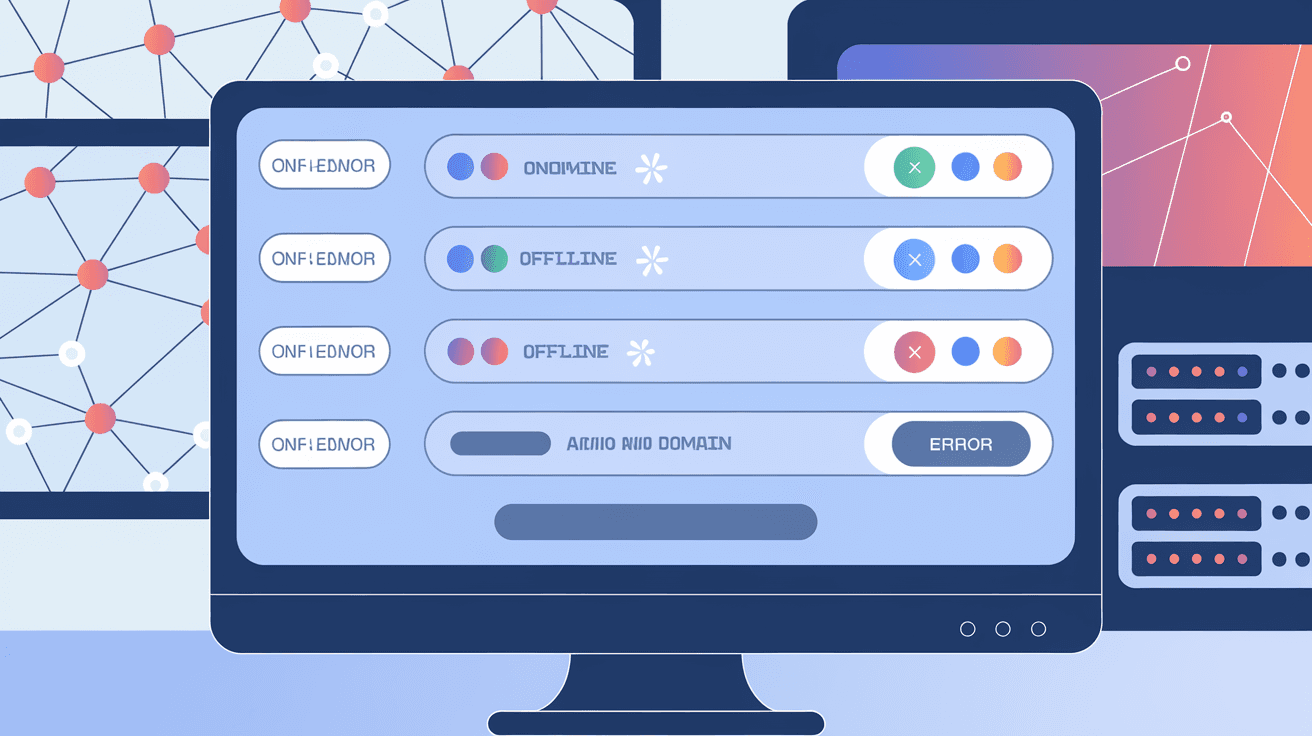
A domain monitoring service is a tool or platform that tracks the status and changes related to your domain name. It keeps an eye on your domain’s registration details, expiration dates, DNS records, and any suspicious activity. This service alerts you if something unusual happens, helping you react quickly.
Key Features of Domain Monitoring Services
- Expiration Alerts: Notifies you before your domain expires to avoid losing it.
- WHOIS Monitoring: Tracks changes in your domain’s registration information.
- DNS Monitoring: Watches for unauthorized changes in DNS settings.
- Blacklist Monitoring: Checks if your domain is listed on spam or malware blacklists.
- Domain Availability Tracking: Alerts you if similar domains become available.
These features help you maintain control and prevent domain hijacking, accidental expiration, or reputation damage.
How Does Domain Monitoring Work?
Domain monitoring services work by continuously scanning domain-related data from various sources. They use automated tools to check your domain’s WHOIS records, DNS settings, and security status. When a change or threat is detected, the service sends you an alert via email, SMS, or app notification.
Steps in Domain Monitoring
- Data Collection: The service gathers information from domain registries, DNS servers, and security databases.
- Comparison: It compares current data with previous records to spot changes.
- Threat Detection: The system identifies suspicious activities like unauthorized transfers or DNS hijacking.
- Alerting: You receive timely notifications to take action.
This process runs 24/7, ensuring you never miss critical updates about your domain.
Why Is Domain Monitoring Important?
Your domain is more than just a website address—it’s your brand’s identity online. Losing control of it can cause serious problems. Domain monitoring helps you avoid these risks by providing early warnings.
Benefits of Using Domain Monitoring
- Prevent Domain Hijacking: Detect unauthorized changes before hackers take over your domain.
- Avoid Expiration: Get reminders to renew your domain on time.
- Protect Brand Reputation: Monitor for fake or similar domains that could confuse customers.
- Improve Security: Identify DNS or SSL certificate issues quickly.
- Stay Compliant: Keep WHOIS information accurate to meet legal requirements.
By using domain monitoring, you safeguard your online presence and maintain trust with your audience.
Common Threats to Domains That Monitoring Can Detect
Domains face various threats that can disrupt your online activities. Monitoring services help spot these threats early.
Types of Domain Threats
- Domain Hijacking: Unauthorized transfer or control of your domain.
- DNS Hijacking: Changing DNS settings to redirect traffic to malicious sites.
- Phishing Attacks: Fake domains mimicking yours to steal user data.
- Expiration Risks: Forgetting to renew your domain, causing downtime.
- Blacklisting: Being flagged by security services for spam or malware.
Monitoring services alert you to these issues so you can respond quickly and protect your domain.
How to Choose the Right Domain Monitoring Service
There are many domain monitoring services available, each with different features and pricing. Choosing the right one depends on your needs and budget.
Factors to Consider
- Coverage: Does it monitor WHOIS, DNS, SSL, and blacklists?
- Alert Options: Are notifications sent via email, SMS, or app?
- Frequency: How often does it check for changes?
- User Interface: Is the dashboard easy to use and understand?
- Customer Support: Is help available when you need it?
- Pricing: Does it fit your budget and offer good value?
Popular Domain Monitoring Services
- DomainTools: Known for comprehensive WHOIS and DNS monitoring.
- GoDaddy Domain Monitoring: Integrated with domain registration services.
- Sucuri: Focuses on security and blacklist monitoring.
- Namecheap: Offers affordable domain monitoring with renewal alerts.
Try to pick a service that matches your technical comfort level and the complexity of your domain portfolio.
How to Set Up Domain Monitoring for Your Website
Setting up domain monitoring is usually straightforward. Most services guide you through the process.
Basic Setup Steps
- Sign Up: Create an account with your chosen domain monitoring provider.
- Add Your Domain: Enter your domain name(s) to start monitoring.
- Configure Alerts: Choose how and when you want to receive notifications.
- Review Settings: Customize monitoring options like WHOIS, DNS, and blacklist checks.
- Monitor Regularly: Check your dashboard for updates and act on alerts promptly.
Some services also offer integration with other security tools for enhanced protection.
Domain Monitoring and Brand Protection
Your domain is a key part of your brand identity. Domain monitoring helps protect your brand by spotting threats early and preventing misuse.
How Domain Monitoring Supports Brand Protection
- Detects Lookalike Domains: Alerts you if similar or typo domains are registered.
- Prevents Fraud: Stops attackers from using your domain for phishing or scams.
- Maintains Customer Trust: Ensures your website stays online and secure.
- Supports Legal Actions: Provides evidence of unauthorized changes or infringements.
By keeping an eye on your domain, you protect your brand’s reputation and customer relationships.
The Future of Domain Monitoring Services
As cyber threats evolve, domain monitoring services are becoming more advanced. In 2026, expect to see:
- AI-Powered Threat Detection: Using machine learning to spot unusual patterns faster.
- Integration with Cybersecurity Platforms: Combining domain monitoring with broader security tools.
- Real-Time Alerts: Instant notifications through mobile apps and smart devices.
- Expanded Monitoring: Covering new domain extensions and internationalized domain names.
- Automated Remediation: Some services may offer automatic fixes for common issues.
These innovations will make domain monitoring more effective and easier to use.
Conclusion
A domain monitoring service is an essential tool for anyone who owns a website or manages online brands. It helps you stay informed about your domain’s status, detect threats early, and avoid costly mistakes like losing your domain or damaging your reputation.
By choosing the right service and setting it up properly, you can protect your online presence with confidence. Remember, your domain is valuable—monitor it regularly to keep it safe and secure.
FAQs
What is the main purpose of a domain monitoring service?
A domain monitoring service tracks your domain’s status and alerts you to changes or threats. Its main purpose is to protect your domain from hijacking, expiration, and security issues.
Can domain monitoring prevent domain hijacking?
Yes, domain monitoring can detect unauthorized changes early, helping you prevent domain hijacking by alerting you to suspicious activity before damage occurs.
How often do domain monitoring services check my domain?
Most services check your domain multiple times a day or even in real-time, depending on the provider and plan you choose.
Is domain monitoring expensive?
Costs vary widely. Some basic monitoring services are free or low-cost, while advanced services with more features may charge monthly fees.
Can domain monitoring help with brand protection?
Absolutely. It alerts you to lookalike domains and phishing attempts, helping protect your brand’s reputation and customer trust.




