What is DNS Hijacking Attack
Introduction
You might have heard about cyberattacks but wonder how hackers trick you online. One sneaky method they use is called DNS hijacking. It’s a way for attackers to redirect your internet traffic without you noticing. Understanding what DNS hijacking is can help you stay safe while browsing.
In this article, I’ll explain what a DNS hijacking attack is, how it works, and what signs to watch for. I’ll also share simple steps you can take to protect yourself from this growing threat. Let’s dive in and make your online experience safer.
What is DNS and Why is it Important?
DNS stands for Domain Name System. Think of it as the phonebook of the internet. When you type a website name like www.example.com, DNS translates that into an IP address, which is the actual location of the website on the internet.
Without DNS, you’d have to remember long strings of numbers to visit websites. DNS makes the internet user-friendly and easy to navigate.
- DNS servers store and manage domain names and their IP addresses.
- Your device asks a DNS server to find the IP address for a website.
- The DNS server responds with the correct IP, letting your browser connect to the site.
Because DNS controls how your device finds websites, it’s a critical part of internet security.
What is DNS Hijacking Attack?
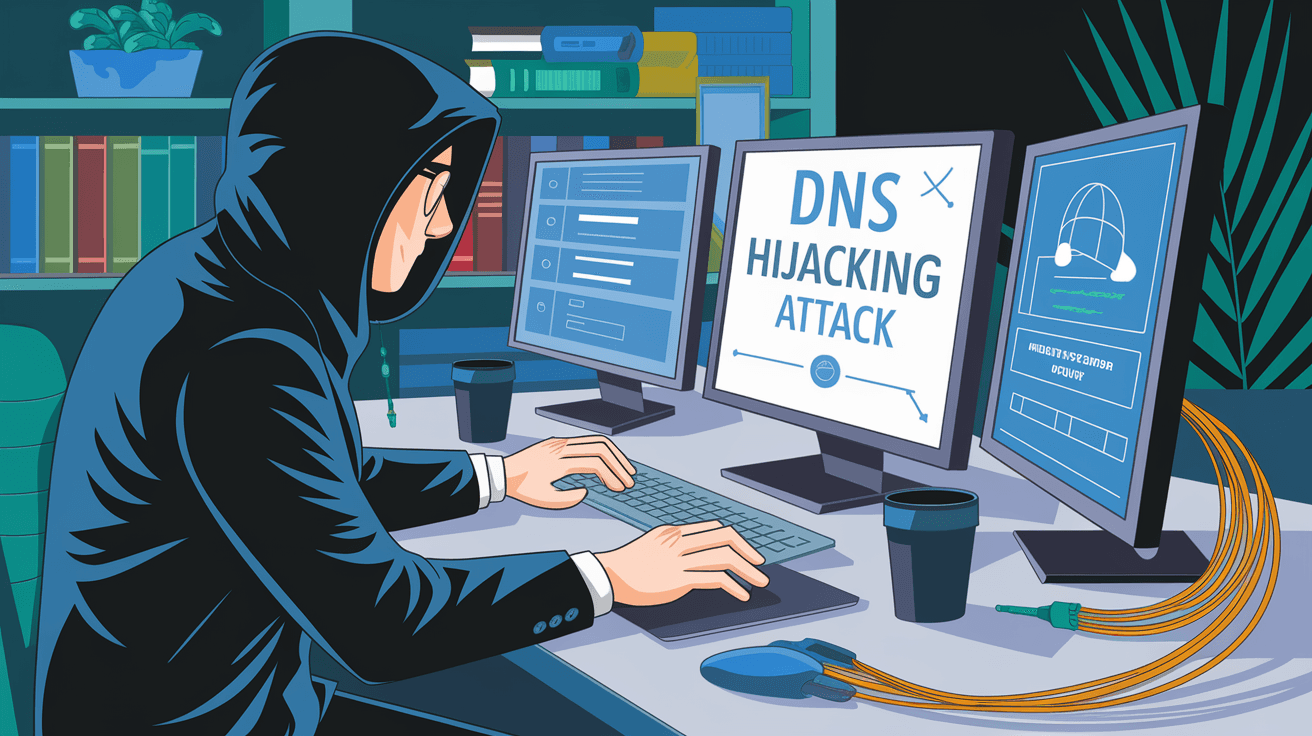
DNS hijacking, also called DNS redirection or DNS poisoning, is a cyberattack where hackers take control of DNS settings. Instead of sending you to the real website, the attacker redirects you to a fake or malicious site.
This can happen in different ways, such as:
- Changing DNS settings on your device or router.
- Hacking into DNS servers to alter records.
- Using malware to intercept DNS requests.
The goal is often to steal your personal information, like passwords or credit card numbers, or to spread malware.
How DNS Hijacking Works
Here’s a simple example of how a DNS hijacking attack might happen:
- You type www.bank.com into your browser.
- Your device asks the DNS server for the IP address.
- The attacker has changed the DNS records to point to a fake website.
- You get sent to the fake site, which looks like your bank’s site.
- You enter your login details, which the attacker steals.
Because the fake site looks real, you might not realize you’ve been tricked.
Common Types of DNS Hijacking Attacks
There are several ways attackers carry out DNS hijacking. Knowing these can help you understand the risks.
Router DNS Hijacking
Attackers target your home or office router. They change its DNS settings to redirect all your internet traffic through malicious servers.
- This affects every device connected to the router.
- It’s hard to detect because all websites load normally, but you’re visiting fake versions.
DNS Cache Poisoning
This attack targets DNS servers. Hackers insert false information into the DNS cache, so when users request a website, they get the wrong IP address.
- It can affect many users at once.
- It’s a common method used in large-scale attacks.
Malware-Based DNS Hijacking
Malware installed on your device can change DNS settings or intercept DNS requests.
- This attack is device-specific.
- It often comes from downloading infected files or clicking malicious links.
Man-in-the-Middle (MitM) DNS Hijacking
Attackers intercept communication between your device and the DNS server.
- They alter DNS responses in real-time.
- This method requires the attacker to be on the same network or control network traffic.
Signs You Might Be a Victim of DNS Hijacking
Detecting DNS hijacking can be tricky because websites may look normal. However, some signs can alert you:
- Websites load slowly or show errors.
- You see unexpected pop-ups or ads.
- Login pages look different or ask for unusual information.
- Your antivirus or security software warns about suspicious activity.
- You get redirected to strange websites when clicking links.
If you notice these signs, it’s important to check your DNS settings and scan your device for malware.
How to Protect Yourself from DNS Hijacking
You can take several steps to reduce the risk of DNS hijacking and keep your internet browsing safe.
Secure Your Router
- Change the default username and password on your router.
- Keep your router’s firmware updated.
- Disable remote management unless you need it.
- Use strong encryption like WPA3 for Wi-Fi.
Use Trusted DNS Servers
Instead of using your ISP’s DNS, consider using secure DNS services like:
- Google Public DNS (8.8.8.8 and 8.8.4.4)
- Cloudflare DNS (1.1.1.1)
- OpenDNS (208.67.222.222)
These services offer better security and privacy.
Keep Your Devices Updated
- Regularly update your operating system and software.
- Install security patches promptly.
- Use reputable antivirus and anti-malware tools.
Avoid Suspicious Links and Downloads
- Don’t click on links from unknown sources.
- Avoid downloading files from untrusted websites.
- Be cautious with email attachments.
Use DNS Security Extensions (DNSSEC)
DNSSEC adds a layer of security by verifying DNS responses. It helps prevent attackers from tampering with DNS data.
- Check if your DNS provider supports DNSSEC.
- Enable DNSSEC on your domain if you manage one.
What to Do If You Suspect DNS Hijacking
If you think you’re a victim, act quickly to minimize damage.
- Check Your DNS Settings: Look at your device and router DNS settings for any unknown addresses.
- Reset Router: Restore your router to factory settings and set a new strong password.
- Scan for Malware: Use antivirus software to scan and remove any infections.
- Clear DNS Cache: Flush your DNS cache to remove corrupted entries.
- Change Passwords: Update passwords for sensitive accounts, especially if you entered them on suspicious sites.
- Contact Your ISP: Inform your internet provider if you suspect DNS server issues.
The Impact of DNS Hijacking Attacks
DNS hijacking can cause serious problems for individuals and organizations.
- Data Theft: Attackers can steal login credentials, financial data, and personal information.
- Malware Spread: Redirected sites may install harmful software on your device.
- Loss of Trust: Businesses can lose customer trust if their websites are compromised.
- Financial Loss: Victims may suffer financial damage from fraud or identity theft.
Because DNS hijacking affects the core of internet navigation, it’s a high-risk threat that requires attention.
Future Trends in DNS Security
As cyber threats evolve, so do defenses against DNS hijacking.
- Increased Adoption of DNSSEC: More DNS providers and websites are implementing DNSSEC for better security.
- Encrypted DNS Protocols: Technologies like DNS over HTTPS (DoH) and DNS over TLS (DoT) encrypt DNS queries to prevent interception.
- AI-Based Threat Detection: Artificial intelligence helps detect unusual DNS activity faster.
- Improved Router Security: Manufacturers are focusing on stronger default security settings.
Staying informed about these trends helps you adapt your security measures.
Conclusion
DNS hijacking attacks are a serious threat that can redirect you to fake websites and steal your information. By understanding how DNS works and how attackers exploit it, you can better protect yourself. Simple actions like securing your router, using trusted DNS servers, and keeping your devices updated go a long way.
Remember, staying alert to signs of DNS hijacking and acting quickly if you suspect an attack can save you from major problems. The internet is a powerful tool, and with the right precautions, you can use it safely and confidently.
FAQs
What is the main goal of a DNS hijacking attack?
The main goal is to redirect users to fake websites to steal personal data, spread malware, or disrupt services.
How can I check if my DNS has been hijacked?
Look for unusual website redirects, check your DNS settings for unknown addresses, and scan your device for malware.
Can DNS hijacking affect mobile devices?
Yes, mobile devices can be affected if their DNS settings are changed or if they connect to compromised networks.
Is using a VPN helpful against DNS hijacking?
Yes, a VPN encrypts your internet traffic and can prevent attackers from intercepting DNS requests.
What is DNSSEC and why is it important?
DNSSEC is a security protocol that verifies DNS data authenticity, helping prevent DNS hijacking and ensuring you reach the correct websites.