
What is Deepfake Attack
Introduction
You’ve probably heard about deepfakes in the news or on social media. But what exactly is a deepfake attack, and why should you care? Deepfake attacks use advanced technology to create fake videos or audio that look and sound real. These attacks can trick people, damage reputations, and even cause financial harm.
In this article, I’ll explain what deepfake attacks are, how they work, and why they are becoming a serious problem. I’ll also share ways you can protect yourself from falling victim to these digital deceptions. Understanding deepfake attacks is important because they affect everyone in today’s connected world.
What Is a Deepfake Attack?
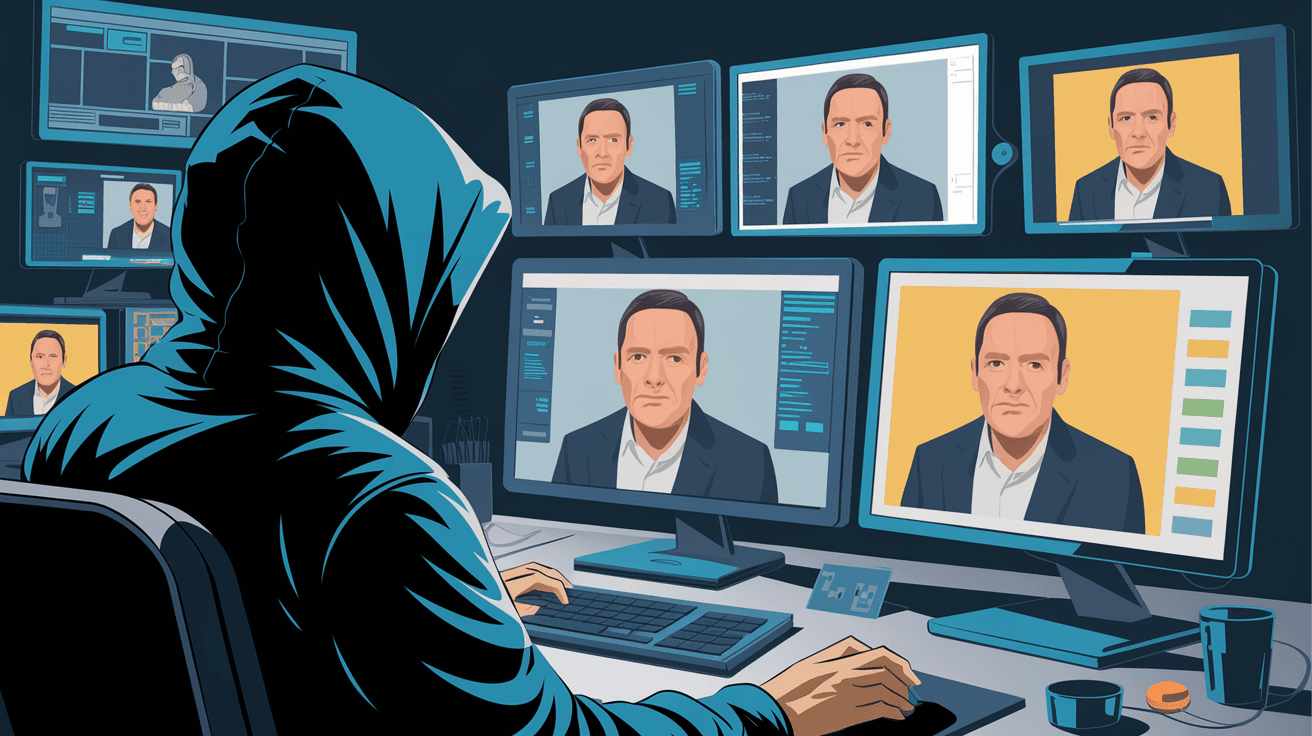
A deepfake attack involves using artificial intelligence (AI) to create fake images, videos, or audio that appear real. The term “deepfake” comes from “deep learning,” a type of AI that helps computers learn patterns from data. Attackers use this technology to manipulate media and deceive people.
Deepfake attacks can be used to:
- Spread false information or fake news
- Impersonate someone to gain trust or money
- Damage reputations by creating fake videos or audio clips
- Influence political opinions or elections
Unlike simple photo editing, deepfakes are much harder to detect because they mimic real voices and facial expressions.
How Do Deepfake Attacks Work?
Deepfake attacks rely on AI models called generative adversarial networks (GANs). These networks learn from large amounts of data, such as videos or audio recordings, to create realistic fake content. Here’s a simple breakdown:
- Data Collection: The attacker gathers many images or audio clips of the target person.
- Training the AI: The GAN learns the target’s facial movements, voice patterns, and expressions.
- Generating Fake Media: The AI creates new videos or audio that look and sound like the target but are entirely fake.
- Distribution: The fake content is shared online or sent directly to victims to cause harm.
Because the AI improves over time, deepfakes are becoming more convincing and harder to spot.
Common Types of Deepfake Attacks
Deepfake attacks come in different forms, each with its own risks. Here are some common types:
- Video Deepfakes: Fake videos showing someone saying or doing things they never did. These are often used to spread misinformation or blackmail.
- Audio Deepfakes: Fake voice recordings that mimic a person’s speech. These can be used to trick people into giving money or sensitive information.
- Face Swapping: Replacing one person’s face with another in videos or photos. This can be used in fake celebrity videos or to impersonate someone.
- Text-Based Deepfakes: AI-generated fake messages or emails pretending to be from trusted people or companies.
Each type can be dangerous depending on how it’s used.
Real-World Examples of Deepfake Attacks
Deepfake attacks have already caused real harm around the world. Here are some examples:
- Political Manipulation: Fake videos of politicians making controversial statements have been shared to influence elections.
- Financial Fraud: Scammers used deepfake audio to impersonate a CEO’s voice and trick employees into transferring millions of dollars.
- Celebrity Scandals: Fake videos of celebrities have been created and spread online to damage their reputations.
- Personal Blackmail: Some attackers create fake videos of private individuals to threaten or extort money.
These examples show how deepfake attacks can affect individuals, businesses, and governments.
Why Are Deepfake Attacks a Growing Threat?
Several factors make deepfake attacks a rising concern:
- Advances in AI: AI technology is improving rapidly, making deepfakes more realistic.
- Easy Access to Tools: Many deepfake creation tools are now available online, even for beginners.
- Social Media Spread: Fake content can go viral quickly, reaching millions before it’s detected.
- Lack of Awareness: Many people don’t know how to spot deepfakes or protect themselves.
- Weak Legal Frameworks: Laws are still catching up to address deepfake crimes effectively.
Because of these reasons, deepfake attacks are expected to increase in frequency and impact.
How to Detect Deepfake Attacks
Detecting deepfake attacks can be tricky, but there are some signs you can watch for:
- Unnatural Facial Movements: Look for odd blinking, strange smiles, or inconsistent lighting on the face.
- Audio Issues: Pay attention to mismatched lip-syncing or robotic-sounding voices.
- Unusual Backgrounds: Fake videos may have blurry or inconsistent backgrounds.
- Metadata Analysis: Experts can check the file’s metadata for signs of manipulation.
- Use Detection Tools: Several AI-based tools and apps can analyze videos and audio for deepfake signs.
Being cautious and skeptical about suspicious media is your first defense.
How to Protect Yourself from Deepfake Attacks
You can take steps to reduce your risk of falling victim to deepfake attacks:
- Verify Sources: Always check if the media comes from a trusted source before believing or sharing.
- Use Multi-Factor Authentication: Protect your accounts with strong security measures.
- Educate Yourself and Others: Learn about deepfakes and share knowledge with friends and family.
- Be Careful with Personal Data: Limit the amount of personal photos and videos you share online.
- Report Suspicious Content: Notify platforms or authorities if you find fake or harmful deepfake media.
These actions help you stay safer in a world where deepfake attacks are becoming common.
The Role of Technology and Law in Fighting Deepfake Attacks
Technology companies and governments are working to combat deepfake attacks:
- AI Detection Tools: Companies are developing advanced software to spot deepfakes quickly.
- Watermarking and Verification: Some platforms add digital watermarks to authentic videos to prove their legitimacy.
- Legal Measures: New laws are being introduced to criminalize malicious deepfake creation and distribution.
- Public Awareness Campaigns: Governments and NGOs run campaigns to educate people about deepfake risks.
While these efforts are promising, it’s important for everyone to stay vigilant.
Future Outlook: What to Expect with Deepfake Attacks
Deepfake technology will keep evolving, and so will the threats:
- More Realistic Deepfakes: AI will create even more convincing fake media.
- Increased Use in Cybercrime: Attackers will use deepfakes for scams, identity theft, and misinformation.
- Better Detection Methods: AI and blockchain may help verify authentic content.
- Stronger Regulations: Governments will likely introduce stricter laws to control deepfake misuse.
- Greater Public Awareness: Education will improve, helping people spot and avoid deepfake attacks.
Staying informed and cautious will be key to navigating this digital challenge.
Conclusion
Deepfake attacks are a new kind of digital threat that uses AI to create fake videos and audio. These attacks can cause serious harm, from spreading false information to financial fraud. Understanding how deepfake attacks work helps you recognize the risks and protect yourself.
By staying alert, verifying information, and using security tools, you can reduce your chances of falling victim to deepfake attacks. Technology and laws are improving to fight this problem, but your awareness is just as important. Together, we can face the challenges deepfake attacks bring and keep our digital world safer.
FAQs
What is the main purpose of a deepfake attack?
A deepfake attack aims to deceive people by creating fake videos or audio that look real. Attackers use it to spread false information, commit fraud, or damage reputations.
How can I tell if a video is a deepfake?
Look for unnatural facial movements, mismatched lip-syncing, strange lighting, or blurry backgrounds. Using AI detection tools can also help identify deepfakes.
Are deepfake attacks illegal?
Yes, many countries have laws against creating or sharing malicious deepfakes, especially when used for fraud, harassment, or misinformation.
Can deepfake technology be used for good?
Absolutely. Deepfake technology has positive uses like in movies, education, and accessibility, but it must be used responsibly.
How can companies protect themselves from deepfake attacks?
Companies should use AI detection tools, train employees on cybersecurity, verify communications, and implement strong authentication methods.




