What is Data Stewardship Policy
Introduction
You might have heard the term "data stewardship policy" but wondered what it really means and why it’s important. In today’s world, where data drives decisions and powers businesses, managing that data properly is crucial. A data stewardship policy is a set of rules and guidelines that help organizations handle their data responsibly.
We all interact with data daily, whether through apps, websites, or services. Understanding how organizations protect and manage this data can give you confidence in their practices. In this article, I’ll explain what a data stewardship policy is, why it matters, and how it works in real life.
What is a Data Stewardship Policy?
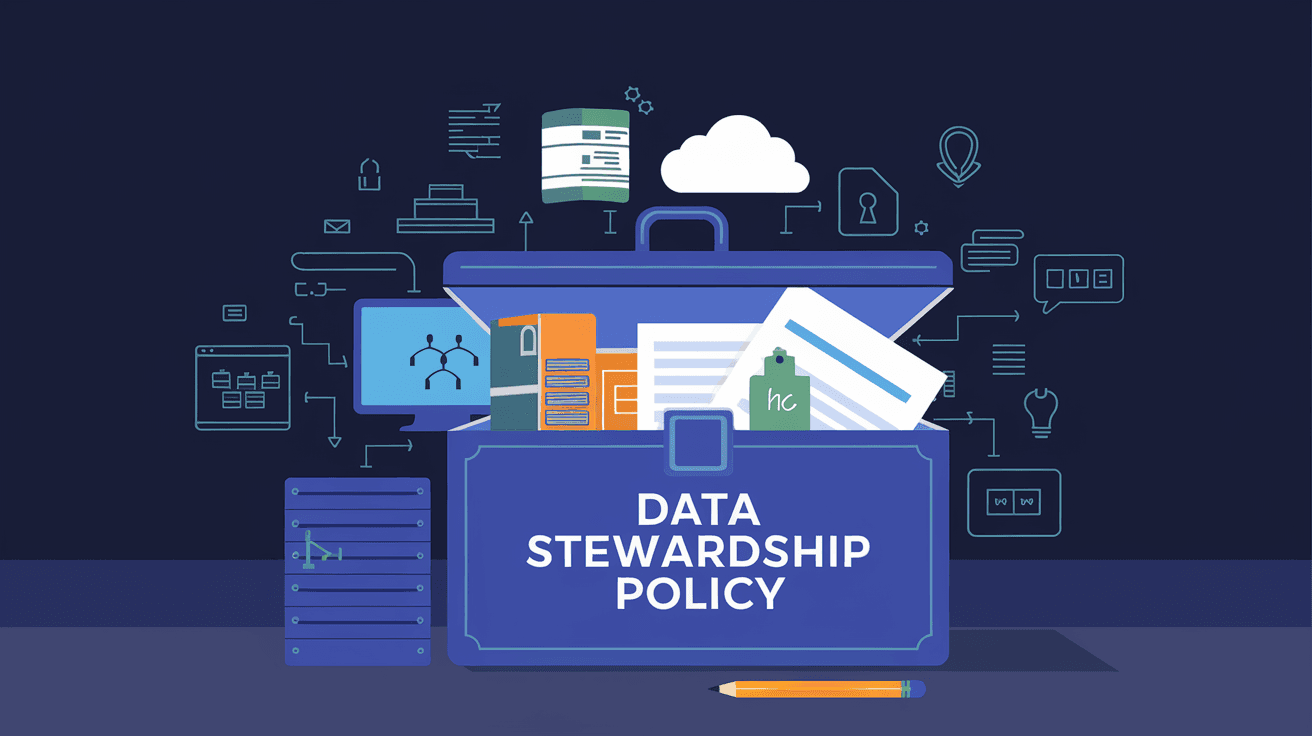
A data stewardship policy is a formal document that outlines how an organization manages its data assets. It defines the roles, responsibilities, and processes for handling data throughout its lifecycle—from collection to storage, use, sharing, and disposal.
This policy ensures that data is accurate, secure, and used ethically. It helps organizations comply with laws and regulations, protect sensitive information, and maintain trust with customers and partners.
Key Elements of a Data Stewardship Policy
- Data Ownership: Identifies who is responsible for specific data sets.
- Data Quality: Sets standards for accuracy, completeness, and consistency.
- Data Security: Details how data is protected from unauthorized access.
- Data Privacy: Ensures compliance with privacy laws and respects user rights.
- Data Access: Defines who can access data and under what conditions.
- Data Usage: Specifies acceptable uses of data within the organization.
- Data Retention and Disposal: Explains how long data is kept and how it is securely deleted.
By having these elements clearly defined, organizations can avoid confusion and reduce risks related to data misuse or breaches.
Why is Data Stewardship Policy Important?
Data is one of the most valuable assets for any organization. Without proper management, data can become inaccurate, insecure, or misused. A data stewardship policy helps prevent these issues by providing clear guidance.
Benefits of a Data Stewardship Policy
- Improved Data Quality: Ensures data is reliable and useful for decision-making.
- Enhanced Security: Protects sensitive information from cyber threats.
- Regulatory Compliance: Helps meet legal requirements like GDPR, HIPAA, or CCPA.
- Increased Accountability: Clarifies who is responsible for data management.
- Better Data Sharing: Facilitates safe and controlled data exchange.
- Trust Building: Shows customers and partners that data is handled responsibly.
For example, healthcare organizations use data stewardship policies to protect patient records and comply with strict privacy laws. Similarly, financial institutions rely on these policies to secure sensitive financial data and prevent fraud.
Who is Involved in Data Stewardship?
Data stewardship is a team effort. Different roles work together to ensure data is managed properly.
Common Roles in Data Stewardship
- Data Stewards: Individuals responsible for managing specific data sets. They ensure data quality and compliance.
- Data Owners: Usually senior managers who have authority over data and make decisions about its use.
- Data Custodians: IT professionals who handle the technical aspects of data storage and security.
- Data Users: Employees or partners who access and use data for their work.
- Data Governance Committee: A group that oversees data policies and resolves issues.
Each role has clear responsibilities, which helps avoid confusion and ensures data is handled correctly.
How to Develop a Data Stewardship Policy
Creating a data stewardship policy involves several steps. It requires collaboration between business leaders, IT teams, and legal experts.
Steps to Create a Data Stewardship Policy
- Assess Current Data Practices: Understand how data is currently collected, stored, and used.
- Identify Data Assets: List all important data sets and classify them by sensitivity.
- Define Roles and Responsibilities: Assign data owners, stewards, and custodians.
- Set Data Standards: Establish rules for data quality, security, and privacy.
- Develop Procedures: Create processes for data access, sharing, retention, and disposal.
- Train Employees: Educate staff on their roles and the importance of data stewardship.
- Monitor and Review: Regularly check compliance and update the policy as needed.
By following these steps, organizations can build a strong foundation for managing their data responsibly.
Examples of Data Stewardship Policies in Practice
Many organizations have adopted data stewardship policies to improve their data management.
Example 1: A University’s Data Stewardship Policy
A large university created a policy to protect student and research data. It defined roles for faculty, IT staff, and administrators. The policy included guidelines for data sharing between departments and ensured compliance with education privacy laws.
Example 2: A Healthcare Provider’s Data Stewardship Policy
A healthcare provider implemented a policy focusing on patient data privacy and security. It required regular audits, strict access controls, and staff training on HIPAA regulations. This helped reduce data breaches and improved patient trust.
Example 3: A Financial Institution’s Data Stewardship Policy
A bank developed a policy to manage customer financial data. It included encryption standards, multi-factor authentication, and clear rules on data retention. The policy also addressed regulatory compliance with financial laws.
These examples show how different sectors tailor their data stewardship policies to meet specific needs and challenges.
Challenges in Implementing Data Stewardship Policies
While data stewardship policies are essential, organizations often face challenges when putting them into practice.
Common Challenges
- Lack of Awareness: Employees may not understand the importance of data stewardship.
- Resource Constraints: Smaller organizations might lack dedicated staff or technology.
- Complex Regulations: Keeping up with changing laws can be difficult.
- Data Silos: Data stored in separate systems can be hard to manage consistently.
- Resistance to Change: Some staff may resist new policies or procedures.
Overcoming these challenges requires strong leadership, ongoing training, and investment in data management tools.
Best Practices for Effective Data Stewardship
To make your data stewardship policy work well, consider these best practices.
Tips for Success
- Engage Stakeholders Early: Involve all relevant teams when creating the policy.
- Keep It Simple: Use clear language and avoid unnecessary complexity.
- Use Technology: Implement tools for data cataloging, monitoring, and security.
- Regular Training: Keep staff informed about updates and their responsibilities.
- Continuous Improvement: Review and update the policy regularly to adapt to new risks and regulations.
- Promote a Data Culture: Encourage everyone to value and protect data.
Following these practices helps ensure your data stewardship policy is effective and sustainable.
Conclusion
A data stewardship policy is a vital tool for managing data responsibly. It sets clear rules and roles that help organizations protect data quality, security, and privacy. Whether you work in healthcare, finance, education, or any other field, having a strong data stewardship policy builds trust and supports compliance.
By understanding what a data stewardship policy is and how it works, you can appreciate the effort organizations put into safeguarding data. If you’re involved in managing data, developing or following a data stewardship policy will help you handle data more confidently and responsibly.
FAQs
What is the main purpose of a data stewardship policy?
The main purpose is to define how data is managed, protected, and used responsibly within an organization. It ensures data quality, security, privacy, and compliance with laws.
Who is responsible for data stewardship in an organization?
Data stewards, data owners, and data custodians share responsibility. Stewards manage data quality, owners make decisions, and custodians handle technical security.
How does a data stewardship policy help with data privacy?
It sets rules for handling personal data, ensuring compliance with privacy laws and protecting individuals’ rights to control their information.
Can small businesses benefit from a data stewardship policy?
Yes, even small businesses benefit by improving data management, reducing risks, and building customer trust through clear data handling practices.
How often should a data stewardship policy be updated?
It should be reviewed and updated regularly, at least annually, or whenever there are changes in regulations, technology, or business needs.