
What is Data Security Governance
Introduction
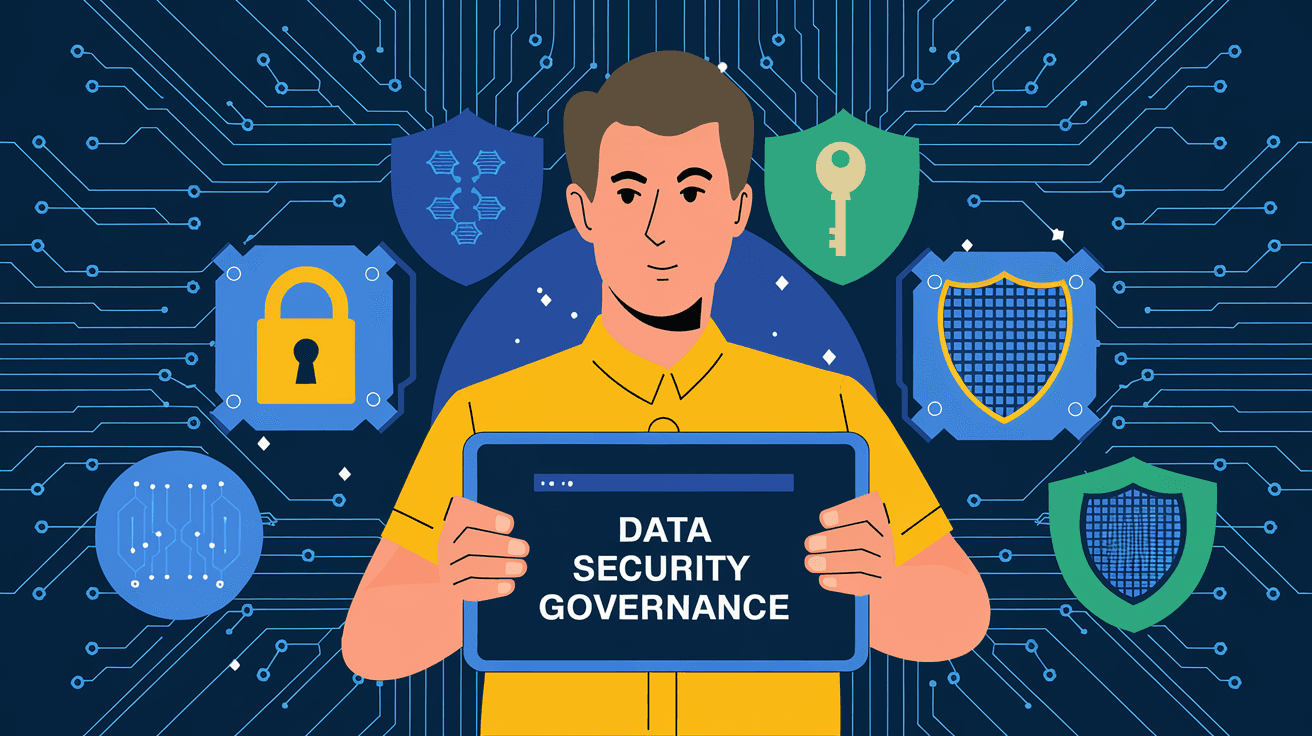
You might be wondering, what exactly is data security governance and why should you care? In today’s digital world, protecting your data is more important than ever. Data security governance helps you manage and safeguard your information, ensuring it stays safe from threats and misuse.
We’ll explore what data security governance means, why it’s essential for your organization, and how you can put it into practice. By the end, you’ll understand how to build a strong framework that keeps your data secure and compliant with regulations.
What is Data Security Governance?
Data security governance is the system of policies, procedures, and controls that organizations use to protect their data. It’s about managing how data is handled, who can access it, and how risks are minimized. This governance ensures that data remains confidential, accurate, and available when needed.
At its core, data security governance is a part of overall data governance but focuses specifically on security aspects. It involves leadership, accountability, and clear rules to guide how data is protected across the organization.
Key Components of Data Security Governance
- Policies and Standards: Clear rules about data protection and usage.
- Roles and Responsibilities: Defining who manages and protects data.
- Risk Management: Identifying and addressing potential threats.
- Compliance: Following laws and regulations related to data.
- Monitoring and Reporting: Tracking security performance and incidents.
Why is Data Security Governance Important?
You might think data security is just about technology, but governance plays a bigger role. Without a solid governance framework, even the best security tools can fail. Here’s why data security governance matters:
- Protects Sensitive Information: It keeps personal, financial, and business data safe from breaches.
- Ensures Compliance: Helps meet legal requirements like GDPR, HIPAA, or CCPA.
- Reduces Risks: Identifies vulnerabilities and prevents data loss or theft.
- Builds Trust: Shows customers and partners that you take data protection seriously.
- Supports Business Goals: Enables secure data sharing and innovation without compromising safety.
How Does Data Security Governance Work?
Data security governance works by creating a structured approach to managing data security. It starts with leadership setting the tone and continues with ongoing processes to maintain protection.
Steps Involved in Data Security Governance
- Establish Governance Framework: Define policies, roles, and responsibilities.
- Classify Data: Identify what data is sensitive or critical.
- Implement Controls: Use encryption, access controls, and other security measures.
- Train Employees: Educate staff on security policies and best practices.
- Monitor and Audit: Regularly check for compliance and security gaps.
- Respond to Incidents: Have a plan to handle data breaches or threats.
Roles and Responsibilities in Data Security Governance
Data security governance requires clear ownership. Different people and teams play important roles to keep data safe.
- Executive Leadership: Sets priorities and allocates resources.
- Data Governance Team: Develops policies and oversees implementation.
- IT Security Team: Manages technical controls and monitors threats.
- Data Owners: Responsible for specific data sets and access decisions.
- Employees: Follow policies and report suspicious activities.
Common Challenges in Data Security Governance
Implementing data security governance isn’t always easy. You might face obstacles like:
- Lack of Awareness: Employees unaware of security policies.
- Complex Regulations: Keeping up with changing laws.
- Resource Constraints: Limited budget or staff for security.
- Data Silos: Fragmented data across departments.
- Rapid Technology Changes: New threats and tools emerging quickly.
Overcoming these challenges requires commitment, training, and continuous improvement.
Best Practices for Effective Data Security Governance
To build a strong data security governance program, consider these best practices:
- Start with a Clear Policy: Make sure everyone understands the rules.
- Classify Your Data: Know what needs the most protection.
- Use Role-Based Access: Limit data access based on job roles.
- Regular Training: Keep employees informed about security risks.
- Continuous Monitoring: Use tools to detect unusual activity.
- Incident Response Plan: Be ready to act quickly if a breach occurs.
- Review and Update: Regularly revisit policies and controls.
Tools and Technologies Supporting Data Security Governance
Technology plays a key role in enforcing governance policies. Some common tools include:
| Tool Type | Purpose |
| Data Loss Prevention | Prevents sensitive data from leaving the network |
| Encryption Software | Protects data by converting it into unreadable code |
| Identity and Access Management (IAM) | Controls who can access data and systems |
| Security Information and Event Management (SIEM) | Monitors and analyzes security events |
| Compliance Management Tools | Helps track and report regulatory compliance |
Using the right combination of tools helps automate governance and improve security.
Data Security Governance and Compliance
Many industries face strict data protection laws. Data security governance helps you stay compliant by:
- Defining how data is collected, stored, and shared.
- Ensuring data subjects’ rights are respected.
- Documenting security measures and incidents.
- Preparing for audits and regulatory reviews.
Failing to comply can lead to heavy fines and damage to your reputation.
Future Trends in Data Security Governance
Looking ahead, data security governance will evolve with technology and threats. Some trends to watch include:
- AI and Automation: Using artificial intelligence to detect threats faster.
- Zero Trust Models: Verifying every access request, no matter the source.
- Privacy-Enhancing Technologies: Protecting data while enabling analytics.
- Cloud Security Governance: Managing data security in cloud environments.
- Increased Regulation: More laws focused on data privacy and security.
Staying informed about these trends will help you keep your governance program effective.
Conclusion
Data security governance is essential for protecting your organization’s most valuable asset—its data. It’s not just about technology but about creating a clear framework of policies, roles, and processes. This framework helps you manage risks, comply with laws, and build trust with customers.
By understanding what data security governance is and how to implement it, you can create a safer environment for your data. Remember, it’s an ongoing effort that requires leadership, employee involvement, and the right tools. Start building your governance program today to stay ahead of threats and safeguard your future.
FAQs
What is the difference between data governance and data security governance?
Data governance covers overall data management, including quality and usage. Data security governance focuses specifically on protecting data from unauthorized access and breaches.
How often should data security governance policies be reviewed?
Policies should be reviewed at least annually or whenever there are significant changes in technology, regulations, or business processes.
Who is responsible for data security governance in an organization?
Responsibility is shared among executive leadership, data governance teams, IT security, data owners, and all employees.
Can small businesses benefit from data security governance?
Yes, even small businesses handle sensitive data and face risks. Governance helps protect data and comply with regulations regardless of size.
What role does employee training play in data security governance?
Training ensures employees understand security policies and recognize threats, reducing the risk of accidental breaches or insider threats.




