
What is Data Integrity Policy
Introduction
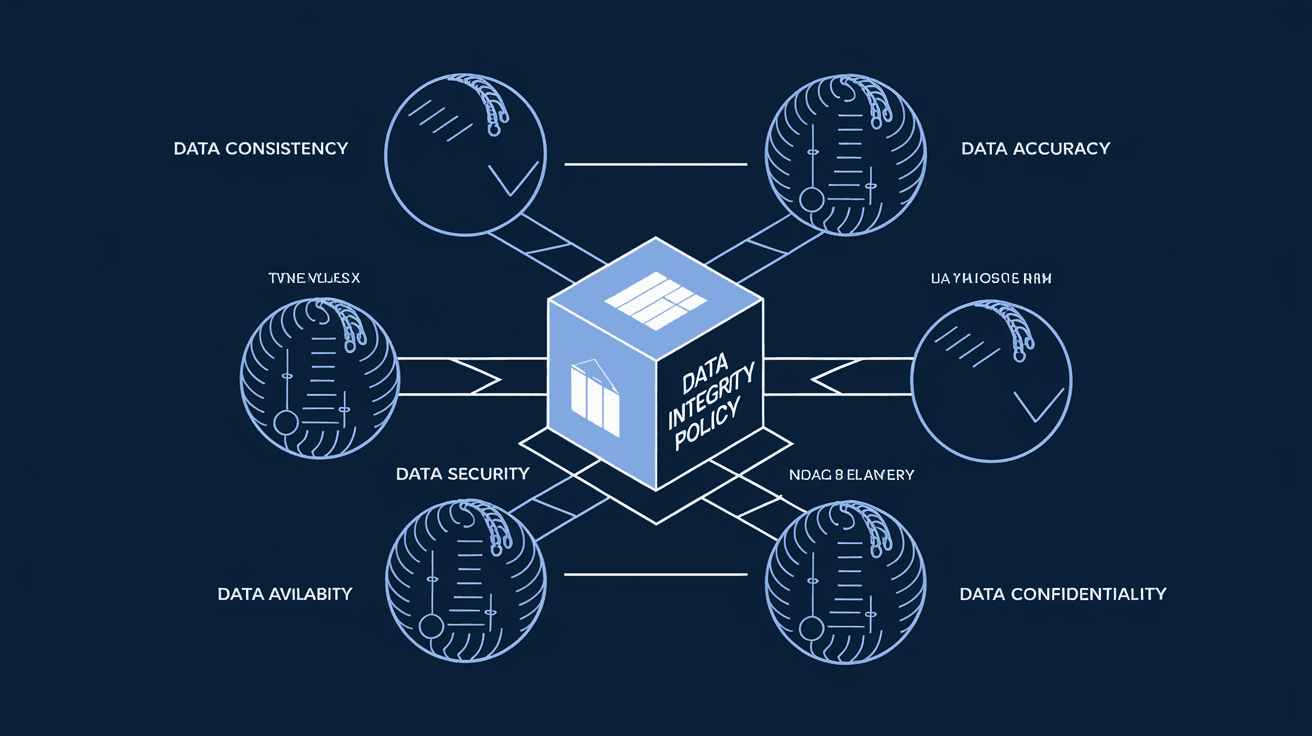
When you think about your organization's data, you want to be sure it’s accurate and trustworthy. That’s where a data integrity policy comes in. It’s a set of rules and guidelines designed to keep your data correct, consistent, and secure throughout its entire lifecycle.
In this article, I’ll explain what a data integrity policy is, why it’s important, and how you can create one that fits your needs. Whether you’re managing a small business or a large enterprise, understanding this policy helps you protect your data from errors, corruption, and unauthorized changes.
What Is a Data Integrity Policy?
A data integrity policy is a formal document that outlines how an organization ensures the accuracy, consistency, and reliability of its data. It sets the standards and procedures for handling data to prevent errors, loss, or unauthorized modifications.
This policy covers all stages of data management, including collection, storage, processing, and sharing. It ensures that data remains trustworthy and usable for decision-making, compliance, and operational purposes.
Key Elements of a Data Integrity Policy
- Accuracy: Ensuring data is correct and free from errors.
- Consistency: Maintaining uniform data across systems and time.
- Completeness: Making sure no data is missing or incomplete.
- Security: Protecting data from unauthorized access or changes.
- Traceability: Keeping records of data changes and who made them.
By defining these elements, the policy helps organizations maintain high-quality data that supports their goals.
Why Is a Data Integrity Policy Important?
You might wonder why you need a data integrity policy. The truth is, data is one of your most valuable assets. If it’s inaccurate or compromised, it can lead to bad decisions, legal issues, and loss of trust.
Here are some reasons why having a data integrity policy matters:
- Improves Decision-Making: Reliable data leads to better business insights and strategies.
- Ensures Compliance: Many industries have regulations requiring data accuracy and security.
- Protects Reputation: Prevents data breaches and errors that can damage your brand.
- Reduces Costs: Avoids expenses related to fixing data errors or recovering lost data.
- Supports Operational Efficiency: Streamlines processes by using consistent and accurate data.
In sectors like healthcare, finance, and manufacturing, data integrity is critical to safety and regulatory compliance. A strong policy helps you meet these demands.
How to Create a Data Integrity Policy
Creating a data integrity policy may seem complex, but breaking it down into clear steps makes it manageable. Here’s how you can develop one tailored to your organization:
1. Assess Your Data Environment
Start by understanding what data you have, where it’s stored, and how it flows through your systems. Identify critical data sets and potential risks to their integrity.
- List all data sources and storage locations.
- Map data workflows and access points.
- Identify vulnerabilities and past data issues.
2. Define Data Integrity Standards
Set clear standards for data accuracy, completeness, and consistency. Decide on acceptable error rates and validation methods.
- Specify data entry rules and formats.
- Establish validation and verification procedures.
- Define roles responsible for data quality.
3. Implement Security Measures
Protect your data from unauthorized access or changes by using technical and organizational controls.
- Use encryption and access controls.
- Set up audit trails to track data changes.
- Regularly update software and security protocols.
4. Develop Procedures for Data Handling
Create step-by-step guidelines for collecting, storing, processing, and sharing data.
- Standardize data entry and update processes.
- Define backup and recovery plans.
- Outline procedures for data correction and dispute resolution.
5. Train Employees and Stakeholders
Make sure everyone involved understands the policy and their responsibilities.
- Conduct regular training sessions.
- Provide easy access to policy documents.
- Encourage reporting of data issues.
6. Monitor and Review the Policy
Data environments change, so your policy should evolve too. Set up regular reviews and audits.
- Schedule periodic data quality assessments.
- Update the policy based on new risks or technologies.
- Use feedback to improve data management practices.
Examples of Data Integrity Policy Components
To give you a clearer picture, here are some typical components you might find in a data integrity policy:
| Component | Description |
| Purpose | Explains why the policy exists and its scope. |
| Definitions | Clarifies key terms like “data integrity” and “data owner.” |
| Roles and Responsibilities | Assigns duties for data management and oversight. |
| Data Quality Standards | Sets criteria for accuracy, completeness, and consistency. |
| Security Controls | Details measures to protect data confidentiality and integrity. |
| Data Handling Procedures | Outlines how data should be collected, stored, and processed. |
| Monitoring and Auditing | Describes how compliance will be checked and enforced. |
| Incident Response | Provides steps to handle data breaches or integrity issues. |
Including these sections ensures your policy is comprehensive and actionable.
Common Challenges in Maintaining Data Integrity
Even with a policy, maintaining data integrity can be challenging. Here are some common issues organizations face:
- Human Error: Mistakes during data entry or processing.
- System Failures: Hardware or software malfunctions causing data loss.
- Cybersecurity Threats: Hacking or malware altering data.
- Data Silos: Fragmented data stored in separate systems causing inconsistencies.
- Lack of Training: Employees unaware of proper data handling procedures.
Addressing these challenges requires ongoing effort, technology investments, and a culture that values data quality.
Tools and Technologies Supporting Data Integrity
Technology plays a big role in enforcing data integrity policies. Here are some tools commonly used:
- Data Validation Software: Automatically checks data for errors and inconsistencies.
- Audit Trail Systems: Logs all data changes with timestamps and user info.
- Encryption Tools: Protect data during storage and transmission.
- Backup Solutions: Regularly save copies of data to prevent loss.
- Access Management Systems: Control who can view or edit data.
Using these tools helps you automate compliance and reduce risks.
Data Integrity Policy in Different Industries
Different industries have unique data integrity needs. Here’s how some sectors apply these policies:
- Healthcare: Ensures patient records are accurate and secure to support treatment and comply with HIPAA.
- Finance: Maintains transaction data integrity to prevent fraud and meet regulatory standards like SOX.
- Manufacturing: Tracks production data to ensure quality control and traceability.
- Pharmaceuticals: Validates clinical trial data for regulatory approval and safety.
- Government: Protects citizen data and maintains transparency in public records.
Understanding your industry’s requirements helps you tailor your policy effectively.
Conclusion
A data integrity policy is essential for keeping your organization’s data accurate, consistent, and secure. It sets the foundation for trustworthy information that supports decision-making, compliance, and operational success. By assessing your data environment, defining clear standards, implementing security measures, and training your team, you can build a strong policy that protects your data throughout its lifecycle.
Remember, maintaining data integrity is an ongoing process. Regular monitoring, updates, and the right technology tools will help you stay ahead of risks. Whether you’re in healthcare, finance, or any other field, a well-crafted data integrity policy is a smart investment in your organization’s future.
FAQs
What is the main goal of a data integrity policy?
The main goal is to ensure data remains accurate, consistent, and secure throughout its lifecycle. This helps organizations make reliable decisions and comply with regulations.
How often should a data integrity policy be reviewed?
It should be reviewed at least annually or whenever there are significant changes in technology, regulations, or business processes.
Who is responsible for enforcing a data integrity policy?
Typically, data owners, IT teams, and compliance officers share responsibility for enforcing the policy and maintaining data quality.
Can data integrity policies prevent cyberattacks?
While they help protect data through security controls, data integrity policies alone cannot prevent all cyberattacks but are part of a broader cybersecurity strategy.
What role does employee training play in data integrity?
Training ensures employees understand how to handle data correctly, reducing errors and helping maintain data quality and security.




