
What is Data Governance Framework
Introduction
You might have heard the term "data governance framework" thrown around in meetings or articles, but what does it really mean? If you work with data or want to make better decisions using data, understanding this framework is key. It helps you manage data properly, so your organization can trust and use data effectively.
In this article, I’ll walk you through what a data governance framework is, why it’s important, and how you can create one that fits your needs. By the end, you’ll see how this framework can improve data quality, security, and compliance in your organization.
What is a Data Governance Framework?
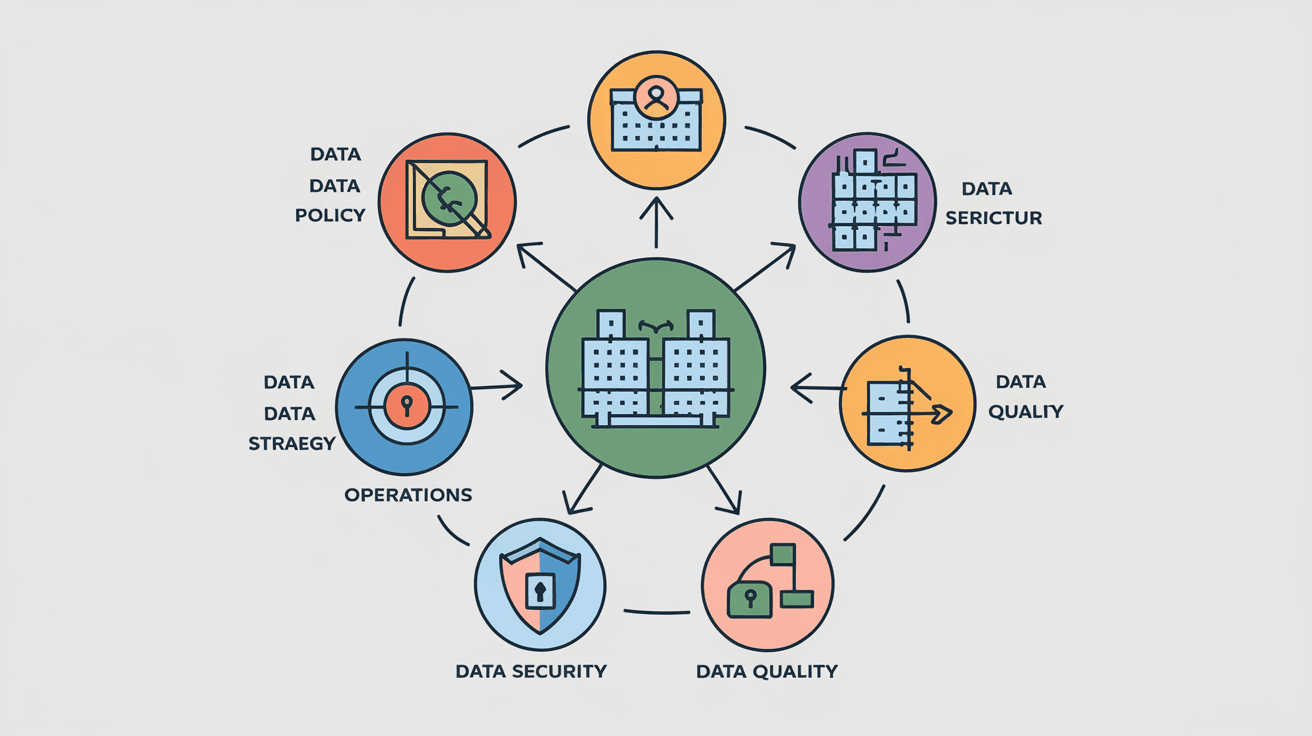
A data governance framework is a structured set of rules, processes, and roles that guide how an organization manages its data. Think of it as a blueprint that ensures data is accurate, secure, and used responsibly.
This framework helps organizations:
- Define who owns the data
- Set standards for data quality
- Establish policies for data access and security
- Ensure compliance with laws and regulations
Without a framework, data can become messy, inconsistent, or even risky to use. The framework creates order and accountability around data management.
Key Components of a Data Governance Framework
A typical data governance framework includes:
- Policies and Standards: Rules about how data should be handled.
- Roles and Responsibilities: Clear ownership and accountability for data.
- Processes: Steps for data collection, storage, and usage.
- Technology: Tools that support data governance activities.
- Metrics and Monitoring: Ways to measure data quality and compliance.
These components work together to create a reliable data environment.
Why is a Data Governance Framework Important?
You might wonder why your organization needs a data governance framework. Here are some reasons why it’s essential:
1. Improves Data Quality
Good data governance ensures data is accurate, complete, and consistent. This means you can trust the data when making decisions.
2. Enhances Compliance
With regulations like GDPR and CCPA, organizations must protect personal data. A governance framework helps you follow these laws and avoid penalties.
3. Increases Data Security
The framework sets rules on who can access data and how it should be protected, reducing the risk of data breaches.
4. Supports Better Decision-Making
When data is well-managed, it’s easier to analyze and use for strategic planning.
5. Promotes Accountability
Clear roles mean everyone knows their responsibilities, reducing confusion and errors.
How to Build a Data Governance Framework
Building a data governance framework might seem overwhelming, but breaking it down into steps makes it manageable. Here’s how you can start:
Step 1: Define Your Goals
What do you want to achieve with data governance? Common goals include improving data quality, ensuring compliance, or enhancing security.
Step 2: Identify Stakeholders and Assign Roles
Involve people from different departments like IT, legal, and business units. Assign roles such as:
- Data Owners: Responsible for specific data sets.
- Data Stewards: Manage data quality and compliance.
- Data Governance Committee: Oversees the program.
Step 3: Develop Policies and Standards
Create clear rules for data usage, privacy, and security. These should align with your organization’s goals and legal requirements.
Step 4: Establish Processes
Define how data will be collected, stored, accessed, and shared. Include procedures for data quality checks and issue resolution.
Step 5: Choose Technology Tools
Select software that supports data cataloging, quality monitoring, and access control.
Step 6: Train Your Team
Educate employees about the framework and their roles to ensure compliance and engagement.
Step 7: Monitor and Improve
Regularly review data quality and governance practices. Use metrics to identify areas for improvement.
Common Data Governance Framework Models
There are several models organizations use to structure their data governance. Here are three popular ones:
1. Centralized Model
In this model, a central team controls all data governance activities. It’s easier to enforce policies but can be less flexible.
2. Decentralized Model
Each department manages its own data governance. This allows for customization but can lead to inconsistencies.
3. Hybrid Model
Combines centralized oversight with decentralized execution. It balances control and flexibility, making it popular among large organizations.
Challenges in Implementing a Data Governance Framework
While the benefits are clear, implementing a data governance framework can be challenging. Here are some common obstacles:
- Lack of Executive Support: Without leadership backing, governance efforts may stall.
- Resistance to Change: Employees might see governance as extra work.
- Data Silos: Different departments may not share data easily.
- Complex Regulations: Keeping up with changing laws can be tough.
- Resource Constraints: Governance requires time and money.
Overcoming these challenges requires clear communication, training, and ongoing commitment.
Best Practices for Effective Data Governance Frameworks
To make your data governance framework successful, consider these best practices:
- Start Small: Begin with a pilot project before scaling up.
- Engage Stakeholders: Involve all relevant teams early on.
- Keep It Simple: Avoid overly complex policies.
- Use Automation: Leverage tools to reduce manual work.
- Measure Progress: Track key performance indicators (KPIs).
- Stay Flexible: Adapt the framework as your organization evolves.
Examples of Data Governance Frameworks in Action
Many organizations have successfully implemented data governance frameworks. For example:
- Healthcare Providers: Use frameworks to protect patient data and comply with HIPAA.
- Financial Institutions: Manage sensitive financial data and meet regulatory requirements.
- Retail Companies: Ensure customer data quality for personalized marketing.
These examples show how frameworks can be tailored to different industries and needs.
Conclusion
Understanding what a data governance framework is and how it works can transform how your organization handles data. It’s not just about rules; it’s about creating trust, security, and value from your data assets. By defining clear roles, policies, and processes, you can improve data quality, comply with regulations, and make smarter decisions.
Building a data governance framework takes effort, but the benefits far outweigh the challenges. Whether you’re just starting or looking to improve your current setup, following the steps and best practices outlined here will help you create a strong foundation for managing your data effectively.
FAQs
What is the main purpose of a data governance framework?
The main purpose is to ensure data is accurate, secure, and used responsibly by defining policies, roles, and processes for managing data across an organization.
Who is responsible for data governance in an organization?
Typically, data owners, data stewards, and a data governance committee share responsibility for managing and overseeing data governance activities.
How does data governance help with compliance?
It sets rules and processes to protect data and ensures the organization follows laws like GDPR and CCPA, reducing legal risks.
Can small businesses benefit from a data governance framework?
Yes, even small businesses can improve data quality, security, and decision-making by implementing a scaled-down version of a data governance framework.
What tools support data governance frameworks?
Tools like data catalogs, data quality monitoring software, and access control systems help automate and enforce governance policies.




