
What is Data Exfiltration Attack
Introduction
You might have heard about data breaches and cyberattacks, but have you ever wondered what a data exfiltration attack really means? It’s a sneaky way hackers steal sensitive information from companies or individuals without permission. Understanding this type of attack can help you protect your data better.
In this article, I’ll explain what a data exfiltration attack is, how it happens, and what you can do to stop it. Whether you’re a business owner or just someone who cares about privacy, knowing this will keep you one step ahead of cybercriminals.
What is a Data Exfiltration Attack?
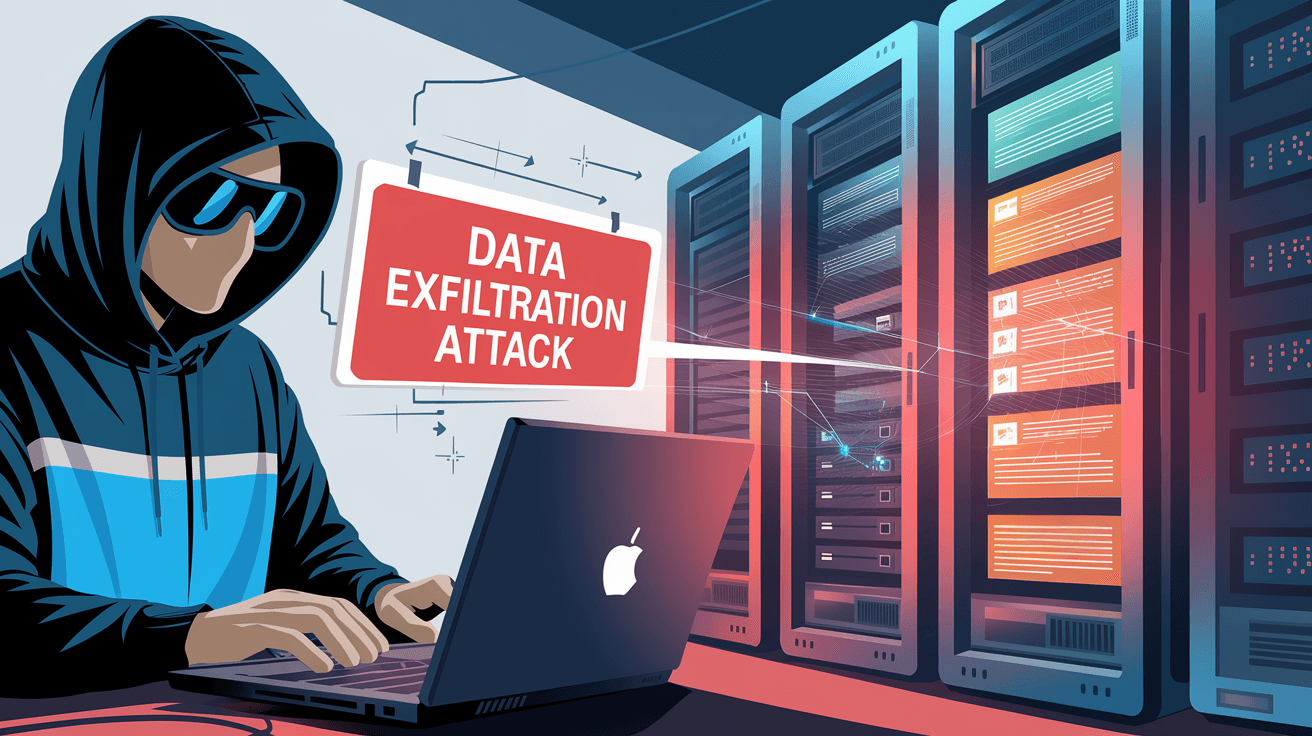
A data exfiltration attack is when someone illegally transfers data from a computer or network to a place they control. This stolen data can include personal details, financial records, trade secrets, or any sensitive information. The goal is to take data without the owner’s knowledge.
Here’s how it works:
- Hackers find a way into a system, often through malware or phishing.
- They locate valuable data stored on the system.
- They secretly copy or send this data outside the network.
- The stolen data is then used for fraud, sold on the dark web, or used to harm the victim.
This attack is dangerous because it’s often hard to detect. The data leaves quietly, and victims might not realize their information is gone until it’s too late.
Common Methods Used in Data Exfiltration Attacks
Hackers use different tricks to steal data. Knowing these methods helps you spot risks early.
Malware and Ransomware
Malware is software designed to harm or spy on your system. Some malware specifically looks for data to steal. Ransomware locks your files and demands money, but it can also copy data before locking it.
Phishing Attacks
Phishing tricks you into giving away passwords or clicking harmful links. Once inside, attackers can move around your network and steal data.
Insider Threats
Sometimes, employees or contractors with access to data steal it intentionally or accidentally. Insider threats are hard to prevent because they have legitimate access.
Network Exploits
Hackers exploit weaknesses in your network, like unpatched software or weak passwords, to enter and extract data.
Cloud Storage Vulnerabilities
As more data moves to the cloud, attackers target cloud accounts or misconfigured storage to steal data.
Signs Your Data Might Be Being Exfiltrated
Detecting data exfiltration early can save you from major damage. Watch out for these signs:
- Unusual spikes in network traffic, especially outbound.
- Unexpected file transfers or large data downloads.
- Alerts from security software about suspicious activity.
- Employees accessing data they don’t usually need.
- System slowdowns or crashes caused by malware.
If you notice any of these, investigate immediately.
Real-World Examples of Data Exfiltration Attacks
Understanding real cases helps you see the impact of these attacks.
- Equifax Breach: Hackers stole personal data of over 140 million people by exploiting a software flaw, then exfiltrated sensitive information like Social Security numbers.
- SolarWinds Attack: Cybercriminals inserted malware into software updates, gaining access to many organizations’ networks and stealing data quietly.
- Capital One Breach: A former employee exploited a cloud vulnerability to steal data of over 100 million customers.
These examples show how attackers use different methods but always aim to steal valuable data.
How to Protect Yourself from Data Exfiltration Attacks
Protecting your data requires a mix of technology, policies, and awareness. Here’s what you can do:
Use Strong Access Controls
Limit who can access sensitive data. Use multi-factor authentication and regularly update passwords.
Keep Software Updated
Hackers exploit old software vulnerabilities. Regular updates and patches close these gaps.
Monitor Network Traffic
Use tools that watch for unusual data flows or suspicious activity.
Train Employees
Teach your team to recognize phishing and follow security best practices.
Encrypt Sensitive Data
Even if data is stolen, encryption makes it hard to read.
Backup Data Regularly
Backups help you recover if data is lost or corrupted.
Use Data Loss Prevention (DLP) Tools
DLP software helps detect and block unauthorized data transfers.
The Role of Incident Response in Data Exfiltration
If you suspect a data exfiltration attack, acting fast is crucial. An incident response plan helps you:
- Identify the breach source.
- Stop further data loss.
- Notify affected parties.
- Recover systems safely.
- Learn from the attack to improve defenses.
Having a clear plan reduces damage and speeds up recovery.
Future Trends in Data Exfiltration Attacks
As technology evolves, so do cyber threats. Here are some trends to watch:
- AI-Powered Attacks: Hackers use artificial intelligence to find vulnerabilities faster and avoid detection.
- Targeting IoT Devices: Internet of Things devices often have weak security, making them easy targets.
- Cloud Exploitation: More data in the cloud means attackers focus on cloud misconfigurations.
- Supply Chain Attacks: Hackers attack trusted vendors to reach bigger targets.
Staying informed and updating your defenses is key to staying safe.
Conclusion
Data exfiltration attacks are a serious threat that can affect anyone with valuable information. By understanding what these attacks are and how they happen, you can better protect your data. Using strong security measures, monitoring your systems, and training your team are essential steps.
Remember, cybercriminals are always looking for new ways to steal data. Staying alert and prepared helps you keep your information safe and your business secure.
FAQs
What is the main goal of a data exfiltration attack?
The main goal is to steal sensitive data from a system without permission. Attackers use this data for fraud, selling it, or harming the victim.
How do hackers gain access for data exfiltration?
They often use malware, phishing, exploiting software flaws, or insider access to enter systems and steal data.
Can data exfiltration be detected in real-time?
Yes, with proper monitoring tools and network traffic analysis, unusual data transfers can be spotted early.
What types of data are usually targeted?
Personal information, financial records, intellectual property, and confidential business data are common targets.
How does encryption help prevent data exfiltration damage?
Encryption makes stolen data unreadable without the key, reducing the value of the stolen information to attackers.




