
What is Data Diode
Introduction
You might have heard the term "data diode" and wondered what it means. In simple terms, a data diode is a device that allows data to flow in only one direction. This one-way flow is crucial for protecting sensitive systems from cyber threats. If you want to keep your network safe while still sharing important information, understanding data diodes is a great place to start.
In this article, I’ll explain what a data diode is, how it works, and why it’s becoming a must-have in industries like energy, defense, and finance. By the end, you’ll see why data diodes are a powerful tool for secure communication.
What Is a Data Diode?
A data diode is a hardware device designed to enforce one-way data transfer between two networks or systems. Unlike regular network devices that allow two-way communication, data diodes physically block data from traveling back in the opposite direction. This makes them ideal for protecting critical infrastructure from cyberattacks.
How Data Diodes Work
- Physical Layer Control: Data diodes use hardware components like fiber optics or electrical circuits that only allow signals to pass in one direction.
- No Software Dependency: Since the one-way flow is enforced by hardware, it cannot be bypassed by software hacks.
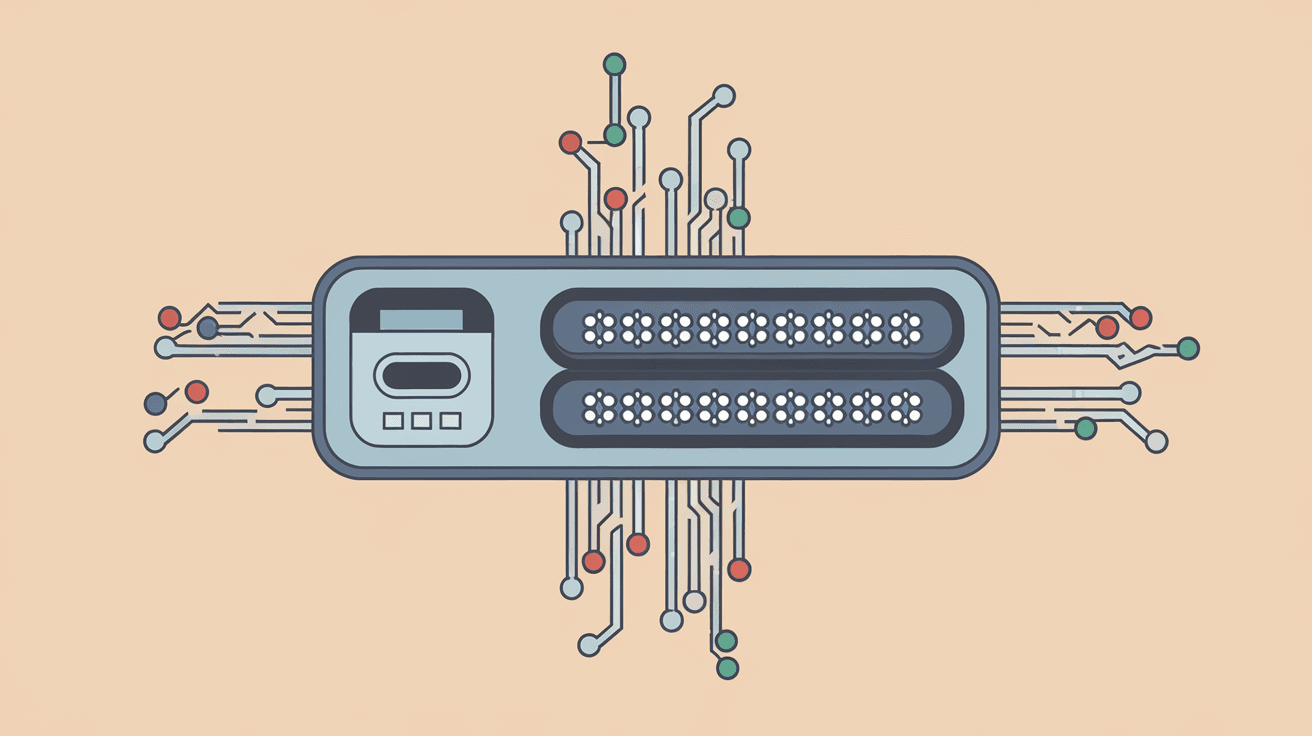
- Simple Design: The device typically has an input port and an output port, with no return path for data.
This setup ensures that sensitive systems can send data out without risking incoming malicious traffic.
Why Are Data Diodes Important?
Data diodes play a vital role in cybersecurity, especially for critical infrastructure. Here’s why they matter:
- Prevent Cyberattacks: By blocking incoming data, data diodes stop hackers from accessing secure networks.
- Protect Sensitive Data: They ensure that confidential information flows out safely without exposing the system to threats.
- Compliance and Regulations: Many industries must follow strict rules about data security. Data diodes help meet these standards.
- Reliable Data Transfer: They guarantee data integrity by preventing unauthorized access or tampering.
For example, power plants use data diodes to send operational data to monitoring centers without risking control systems being hacked.
Common Uses of Data Diodes
Data diodes are used in various sectors where security is critical. Here are some common applications:
- Energy Sector: Protecting power grids and control systems from cyber threats.
- Defense and Military: Securing classified information and communication channels.
- Financial Services: Safeguarding transaction data and preventing fraud.
- Industrial Control Systems: Ensuring safe data flow in manufacturing and automation.
- Government Agencies: Protecting sensitive data from leaks or cyber espionage.
Each use case benefits from the one-way data flow that data diodes provide, reducing the risk of cyberattacks.
How Data Diodes Differ from Firewalls
You might wonder how data diodes compare to firewalls since both protect networks. Here’s a quick comparison:
| Feature | Data Diode | Firewall |
| Data Flow | One-way only | Two-way with filtering |
| Security Level | Very high due to physical block | High but software-based |
| Vulnerability | Almost no risk of bypass | Can be hacked or misconfigured |
| Use Case | Critical infrastructure | General network security |
| Complexity | Simple hardware device | Complex software rules |
While firewalls filter traffic, data diodes physically prevent any data from returning, making them more secure for sensitive environments.
Types of Data Diodes
There are different types of data diodes depending on the technology and use case:
- Optical Data Diodes: Use fiber optic cables to enforce one-way data flow. They are common in high-security environments.
- Electrical Data Diodes: Use electrical circuits for one-way data transfer, often in industrial settings.
- Software-Defined Data Diodes: Combine hardware with software controls for flexible deployment but still rely on physical one-way paths.
Choosing the right type depends on your security needs, network setup, and budget.
Benefits of Using Data Diodes
Using data diodes offers several advantages:
- Absolute Data Flow Control: Ensures no data can return to the source network.
- Reduced Attack Surface: Limits exposure to cyber threats by isolating networks.
- Compliance with Security Standards: Helps meet regulations like NERC CIP for energy or DoD requirements.
- Minimal Latency: Hardware-based design means fast, reliable data transfer.
- Easy Integration: Can be added to existing networks without major changes.
These benefits make data diodes a smart investment for organizations prioritizing security.
Challenges and Considerations
While data diodes are powerful, they come with some challenges:
- Limited Communication: Only one-way data flow means no direct feedback or control signals.
- Cost: High-quality data diodes can be expensive to install and maintain.
- Complex Setup: Integrating with existing systems may require careful planning.
- Data Volume: Handling large data streams might need specialized hardware.
Understanding these factors helps you decide if a data diode fits your security strategy.
How to Implement a Data Diode
If you’re thinking about using a data diode, here are steps to guide you:
- Assess Your Security Needs: Identify critical systems that require one-way data flow.
- Choose the Right Data Diode: Pick based on technology, compatibility, and budget.
- Plan Network Architecture: Design how the diode will connect source and destination networks.
- Install Hardware: Set up the data diode physically between networks.
- Test Thoroughly: Verify one-way data flow and system compatibility.
- Monitor and Maintain: Regularly check for performance and security.
Following these steps ensures a smooth and secure deployment.
Future Trends in Data Diode Technology
Data diode technology continues to evolve. Here’s what to expect:
- Integration with AI: Using artificial intelligence to monitor data flow and detect anomalies.
- Smaller, More Affordable Devices: Advances in hardware will reduce costs.
- Cloud Compatibility: Data diodes designed for hybrid and cloud environments.
- Enhanced Protocol Support: Supporting more data types and faster speeds.
- Increased Adoption: More industries recognizing the value of one-way data transfer.
These trends will make data diodes even more accessible and effective.
Conclusion
Now you know that a data diode is a hardware device that ensures data flows only one way. This simple but powerful concept protects critical systems from cyber threats by physically blocking incoming data. Whether you work in energy, defense, or finance, data diodes offer a reliable way to secure sensitive information.
By understanding how data diodes work, their benefits, and challenges, you can make informed decisions about your network security. As cyber threats grow, using data diodes is a smart step toward stronger protection and peace of mind.
FAQs
What is the main purpose of a data diode?
A data diode’s main purpose is to allow data to flow in only one direction, preventing any incoming data. This protects sensitive systems from cyberattacks by physically blocking reverse communication.
Can data diodes be hacked?
Data diodes are hardware-based and do not rely on software for enforcing one-way flow. This makes them nearly impossible to hack or bypass, offering very high security.
Where are data diodes most commonly used?
They are commonly used in critical infrastructure sectors like energy, defense, finance, and industrial control systems where secure, one-way data transfer is essential.
How do data diodes differ from firewalls?
Data diodes enforce physical one-way data flow, while firewalls filter two-way traffic using software rules. Data diodes provide stronger security by eliminating any return path.
Are data diodes expensive to install?
High-quality data diodes can be costly, especially for large networks. However, their security benefits often outweigh the initial investment, especially in critical environments.




