
What is Data Center Security
Introduction
When you think about your data center, you probably imagine rows of servers humming quietly. But have you ever wondered how secure those servers really are? Data center security is all about protecting the physical and digital assets inside these centers from threats. It’s something you need to understand if you want to keep your data safe.
In this article, I’ll walk you through what data center security means, why it’s important, and the key ways to protect your data center. Whether you manage a small server room or a large facility, this guide will help you grasp the essentials of keeping your data safe and secure.
What is Data Center Security?
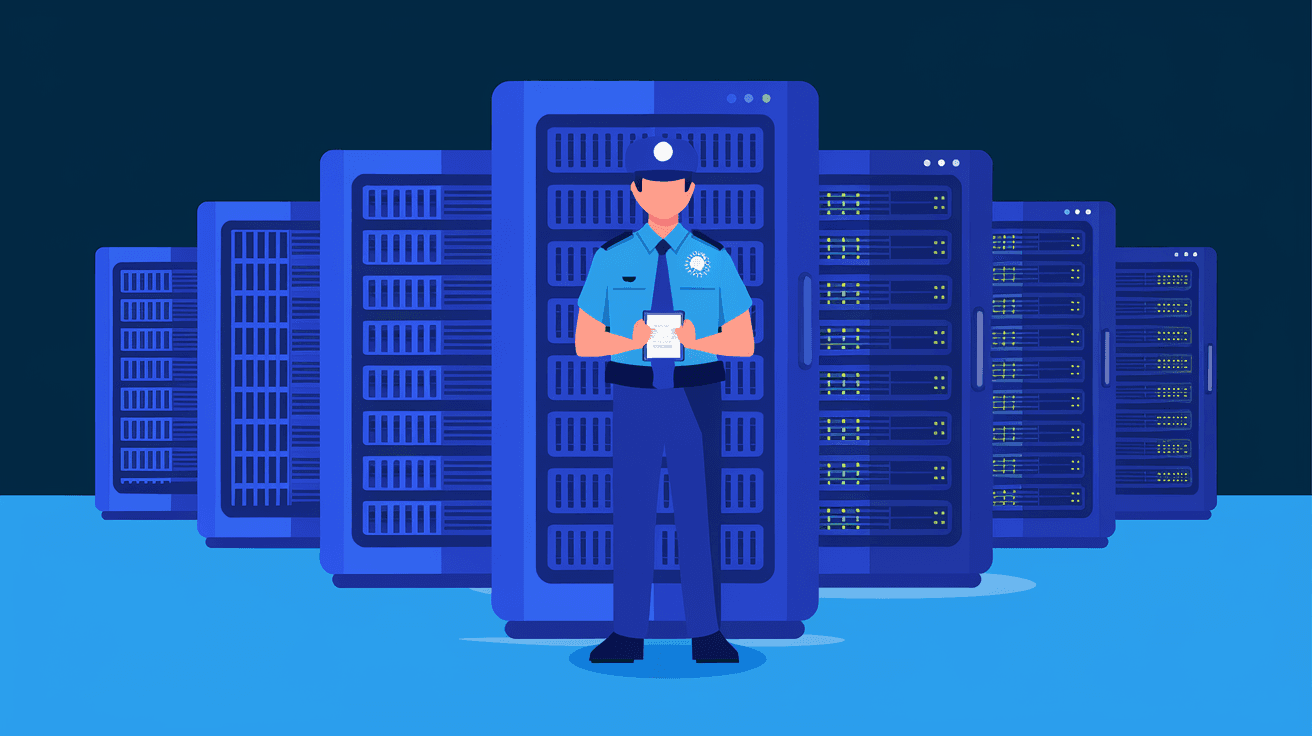
Data center security refers to the measures and controls put in place to protect the infrastructure, hardware, software, and data inside a data center. It covers both physical security—like locks and guards—and cybersecurity, such as firewalls and encryption.
The goal is to prevent unauthorized access, data breaches, and disruptions that could harm your business. Data centers hold critical information, so security is vital to ensure continuous operations and protect sensitive data.
Key Components of Data Center Security
- Physical Security: Guards, cameras, biometric scanners, and secure entry points.
- Network Security: Firewalls, intrusion detection systems, and secure network design.
- Data Security: Encryption, access controls, and backup systems.
- Environmental Security: Fire suppression, climate control, and power backup.
Each component works together to create a strong defense against threats.
Why is Data Center Security Important?
Your data center is the heart of your IT operations. If it’s compromised, the consequences can be severe. Here’s why data center security matters:
- Protect Sensitive Data: Data centers often store personal, financial, or proprietary information. A breach can lead to identity theft or loss of competitive advantage.
- Ensure Business Continuity: Security incidents can cause downtime, affecting your services and reputation.
- Meet Compliance Requirements: Many industries require strict security standards to protect customer data.
- Prevent Financial Loss: Data breaches and downtime can result in costly fines and lost revenue.
By investing in strong security, you reduce risks and build trust with your customers.
Physical Security Measures in Data Centers
Physical security is the first line of defense. It stops unauthorized people from entering the facility and tampering with equipment.
Common Physical Security Controls
- Access Control Systems: Use key cards, PINs, or biometric scanners to restrict entry.
- Security Guards: Trained personnel monitor the premises 24/7.
- Surveillance Cameras: CCTV cameras record all activity inside and outside the data center.
- Mantraps: Small rooms with two doors that control access to sensitive areas.
- Perimeter Fencing: Secure fencing and barriers prevent unauthorized access.
- Environmental Controls: Fire detection, smoke alarms, and climate control protect equipment from damage.
These measures help ensure only authorized staff can access critical areas.
Cybersecurity in Data Centers
Cybersecurity protects the data and systems inside the data center from digital attacks. Hackers, malware, and insider threats are common risks.
Essential Cybersecurity Practices
- Firewalls: Block unauthorized network traffic.
- Intrusion Detection and Prevention Systems (IDPS): Monitor and stop suspicious activity.
- Encryption: Protect data at rest and in transit.
- Multi-Factor Authentication (MFA): Adds extra layers of user verification.
- Regular Software Updates: Patch vulnerabilities to prevent exploits.
- Network Segmentation: Limits access between different parts of the network.
Combining these practices helps defend against cyber threats.
Data Protection Strategies
Protecting the data itself is crucial. Even with strong physical and network security, data can be lost or stolen if not properly managed.
Key Data Protection Methods
- Data Encryption: Scrambles data so only authorized users can read it.
- Access Controls: Define who can view or modify data.
- Regular Backups: Store copies of data offsite or in the cloud.
- Data Masking: Hide sensitive information in non-production environments.
- Data Loss Prevention (DLP): Tools that monitor and block unauthorized data transfers.
These strategies ensure your data remains confidential and recoverable.
Environmental and Operational Security
Data centers face risks from environmental factors like fire, flooding, or power outages. Operational security ensures the facility runs smoothly and safely.
Environmental Controls
- Fire Suppression Systems: Use gas or water-based systems to extinguish fires quickly.
- Climate Control: Maintain optimal temperature and humidity to prevent hardware failure.
- Uninterruptible Power Supplies (UPS): Provide backup power during outages.
- Flood Detection: Sensors alert staff to water leaks or flooding.
Operational Security Practices
- Regular Audits: Check security controls and compliance.
- Incident Response Plans: Prepare for and respond to security events.
- Employee Training: Educate staff on security policies and best practices.
- Vendor Management: Ensure third-party providers follow security standards.
These measures help keep the data center running without interruption.
Emerging Trends in Data Center Security
As technology evolves, so do the threats and solutions in data center security. Here are some trends shaping the future:
- Zero Trust Security: Assumes no user or device is trusted by default, requiring continuous verification.
- AI and Machine Learning: Used to detect unusual behavior and respond faster to threats.
- Edge Computing Security: Protects data centers closer to users, reducing latency but increasing complexity.
- Cloud Integration: Hybrid models combine on-premises and cloud security strategies.
- Biometric Advances: More sophisticated biometric systems improve physical access control.
Staying updated on these trends helps you adapt your security approach.
How to Implement Effective Data Center Security
Building a secure data center requires a clear plan and ongoing effort. Here’s how you can get started:
- Assess Risks: Identify potential threats and vulnerabilities.
- Develop Policies: Create clear security rules and procedures.
- Invest in Technology: Use the right tools for physical and cybersecurity.
- Train Staff: Make sure everyone understands their role in security.
- Monitor Continuously: Use real-time monitoring to detect and respond to incidents.
- Review and Improve: Regularly update your security measures based on new threats.
Following these steps helps you build a strong defense.
Conclusion
Data center security is essential for protecting your critical infrastructure and sensitive information. It involves a mix of physical safeguards, cybersecurity measures, data protection, and environmental controls. By understanding these elements, you can better defend your data center from threats.
Whether you manage a small server room or a large facility, investing in comprehensive security reduces risks and ensures your business runs smoothly. Keep learning about new technologies and best practices to stay ahead of evolving threats and keep your data safe.
FAQs
What are the main types of data center security?
Data center security includes physical security (guards, cameras), cybersecurity (firewalls, encryption), data protection (access controls, backups), and environmental controls (fire suppression, climate control).
Why is physical security important in data centers?
Physical security prevents unauthorized access to the facility and equipment, reducing risks of theft, tampering, or damage that could disrupt operations or compromise data.
How does encryption protect data in a data center?
Encryption scrambles data so only authorized users with the correct keys can read it, protecting sensitive information from unauthorized access or theft.
What role does employee training play in data center security?
Training helps staff understand security policies, recognize threats, and follow best practices, reducing human errors that can lead to security breaches.
What is zero trust security in data centers?
Zero trust means no user or device is trusted by default. Continuous verification is required to access resources, minimizing the risk of insider threats or compromised accounts.




