
What is Data Center Firewall
Introduction
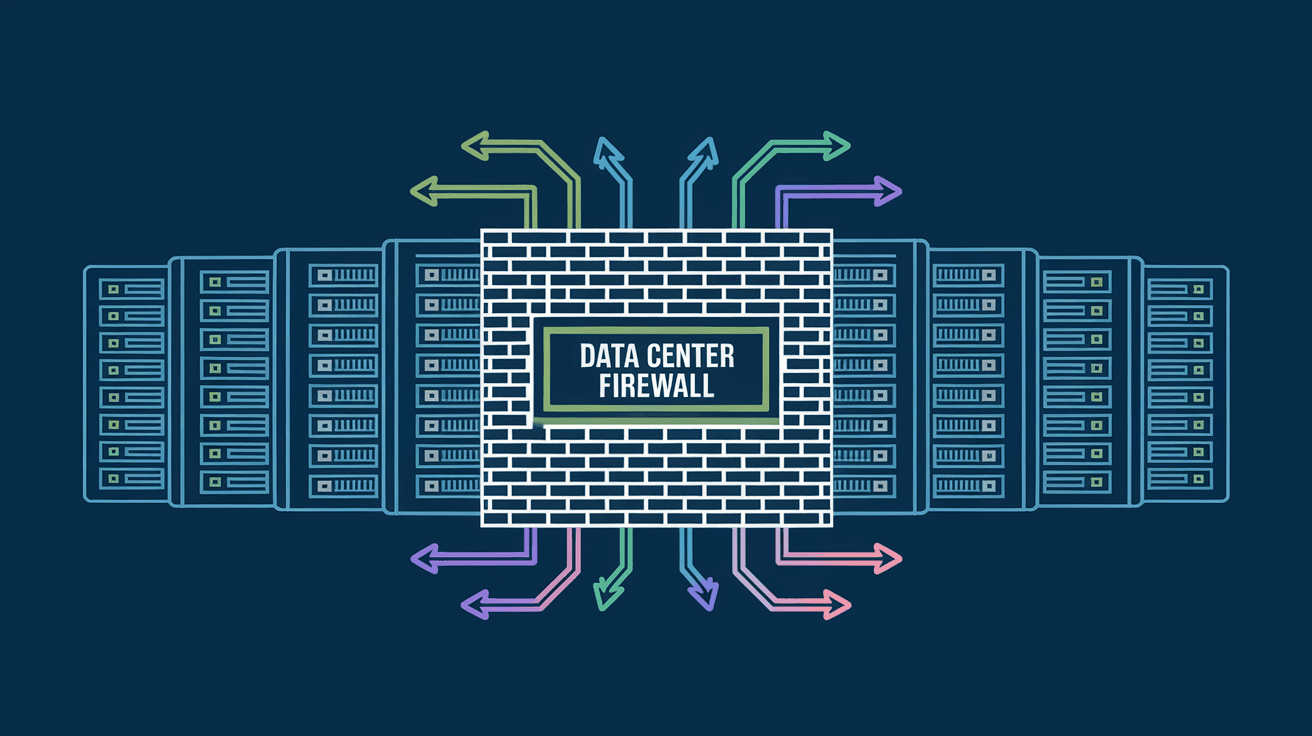
You might wonder what keeps the massive data centers safe from cyber threats. That’s where a data center firewall comes in. It acts like a security guard, controlling what data can enter or leave your data center. This helps protect sensitive information and keeps your systems running smoothly.
In this article, I’ll explain what a data center firewall is, how it works, and why it’s so important. Whether you manage a data center or just want to understand cybersecurity better, this guide will give you clear answers.
What is a Data Center Firewall?
A data center firewall is a specialized security device or software that monitors and controls network traffic entering and leaving a data center. Unlike regular firewalls used in homes or small businesses, data center firewalls handle much larger volumes of data and more complex traffic patterns.
Key Features of Data Center Firewalls
- High Throughput: They can process large amounts of data quickly without slowing down operations.
- Advanced Filtering: They inspect data packets deeply to detect threats.
- Scalability: Designed to grow with the data center’s needs.
- Integration: Works with other security tools like intrusion detection systems (IDS).
These firewalls are essential because data centers host critical applications and store sensitive data. Any breach could lead to severe financial and reputational damage.
How Does a Data Center Firewall Work?
A data center firewall acts as a gatekeeper. It examines every piece of data trying to enter or leave the data center and decides whether to allow or block it based on predefined rules.
Traffic Inspection and Filtering
- Packet Filtering: Checks the header of each data packet for allowed IP addresses, ports, and protocols.
- Stateful Inspection: Tracks active connections to ensure data packets belong to legitimate sessions.
- Deep Packet Inspection (DPI): Looks inside the data packet to detect malicious content or anomalies.
Rule-Based Access Control
You can set rules that specify which traffic is allowed or denied. For example:
- Allow traffic from trusted IP addresses.
- Block traffic from suspicious countries.
- Restrict access to certain applications or services.
Logging and Alerts
Data center firewalls keep logs of all traffic and generate alerts for unusual activities. This helps security teams respond quickly to potential threats.
Types of Data Center Firewalls
There are several types of firewalls used in data centers, each with unique strengths.
Hardware Firewalls
These are physical devices installed at the network perimeter. They offer high performance and reliability, making them ideal for large data centers.
Software Firewalls
Installed on servers or virtual machines, software firewalls provide flexible protection within the data center. They are easy to update and customize.
Next-Generation Firewalls (NGFW)
NGFWs combine traditional firewall features with advanced capabilities like intrusion prevention, application awareness, and threat intelligence integration. They are becoming the standard for modern data centers.
Cloud-Based Firewalls
With many data centers moving to hybrid or cloud environments, cloud-based firewalls protect data across multiple locations and platforms.
Why is a Data Center Firewall Important?
Data centers are prime targets for cyberattacks because they store valuable data and run critical services. A data center firewall is crucial for several reasons:
- Protects Sensitive Data: Prevents unauthorized access to confidential information.
- Ensures Compliance: Helps meet regulations like GDPR, HIPAA, and PCI-DSS.
- Maintains Uptime: Blocks attacks that could disrupt services, such as Distributed Denial of Service (DDoS).
- Supports Network Segmentation: Limits the spread of threats within the data center.
Without a strong firewall, data centers risk data breaches, financial loss, and damage to their reputation.
How to Choose the Right Data Center Firewall
Selecting the right firewall depends on your data center’s size, traffic volume, and security needs.
Consider These Factors
- Performance: Can it handle your peak data traffic without slowing down?
- Security Features: Does it offer advanced threat detection and prevention?
- Scalability: Will it grow with your data center?
- Integration: Can it work with your existing security tools?
- Management: Is it easy to configure and monitor?
Popular Data Center Firewall Vendors
- Cisco
- Palo Alto Networks
- Fortinet
- Check Point
- Juniper Networks
Each vendor offers solutions tailored for different environments and budgets.
Best Practices for Managing Data Center Firewalls
To get the most from your firewall, follow these best practices:
- Regularly Update Rules: Keep firewall policies current to block new threats.
- Monitor Logs: Review traffic logs to spot unusual patterns.
- Conduct Audits: Periodically check firewall configurations for weaknesses.
- Use Segmentation: Divide your network into zones to contain breaches.
- Train Staff: Ensure your team understands firewall management and security protocols.
Challenges in Data Center Firewall Management
Managing firewalls in data centers can be complex due to:
- High Traffic Volume: Requires powerful hardware and efficient rules.
- Complex Networks: Multiple applications and services need tailored policies.
- Evolving Threats: Cyberattacks are constantly changing, demanding updates.
- Integration Issues: Firewalls must work with other security systems smoothly.
Addressing these challenges requires skilled personnel and advanced tools.
Future Trends in Data Center Firewalls
The cybersecurity landscape is always evolving. Here are some trends shaping the future of data center firewalls:
- AI and Machine Learning: Automate threat detection and response.
- Zero Trust Security: Verify every user and device before granting access.
- Cloud-Native Firewalls: Designed specifically for cloud environments.
- Automation: Simplify firewall management and reduce human error.
- Enhanced Encryption: Protect data even if intercepted.
These trends will make data center firewalls smarter and more adaptive.
Conclusion
A data center firewall is a vital part of protecting your data center from cyber threats. It controls traffic, blocks attacks, and helps keep your data safe. With the right firewall, you can ensure your data center runs smoothly and securely.
Choosing the right firewall and managing it well requires understanding your needs and staying updated on security trends. By doing this, you’ll build a strong defense that protects your valuable data and supports your business goals.
FAQs
What is the main difference between a data center firewall and a regular firewall?
A data center firewall handles much larger traffic volumes and offers advanced features like deep packet inspection and scalability, designed specifically for complex data center environments.
Can a data center firewall protect against DDoS attacks?
Yes, many data center firewalls include DDoS protection features that detect and block traffic floods aimed at overwhelming your network.
How often should firewall rules be updated?
Firewall rules should be reviewed and updated regularly, at least quarterly, or immediately after any security incident or network change.
Are cloud-based firewalls as secure as hardware firewalls?
Cloud-based firewalls offer strong security and flexibility, especially for hybrid environments, but hardware firewalls can provide higher performance for on-premises data centers.
What role does AI play in modern data center firewalls?
AI helps automate threat detection, analyze traffic patterns, and respond faster to attacks, improving overall firewall effectiveness and reducing manual workload.




