
What is Data Breach Attack
Introduction
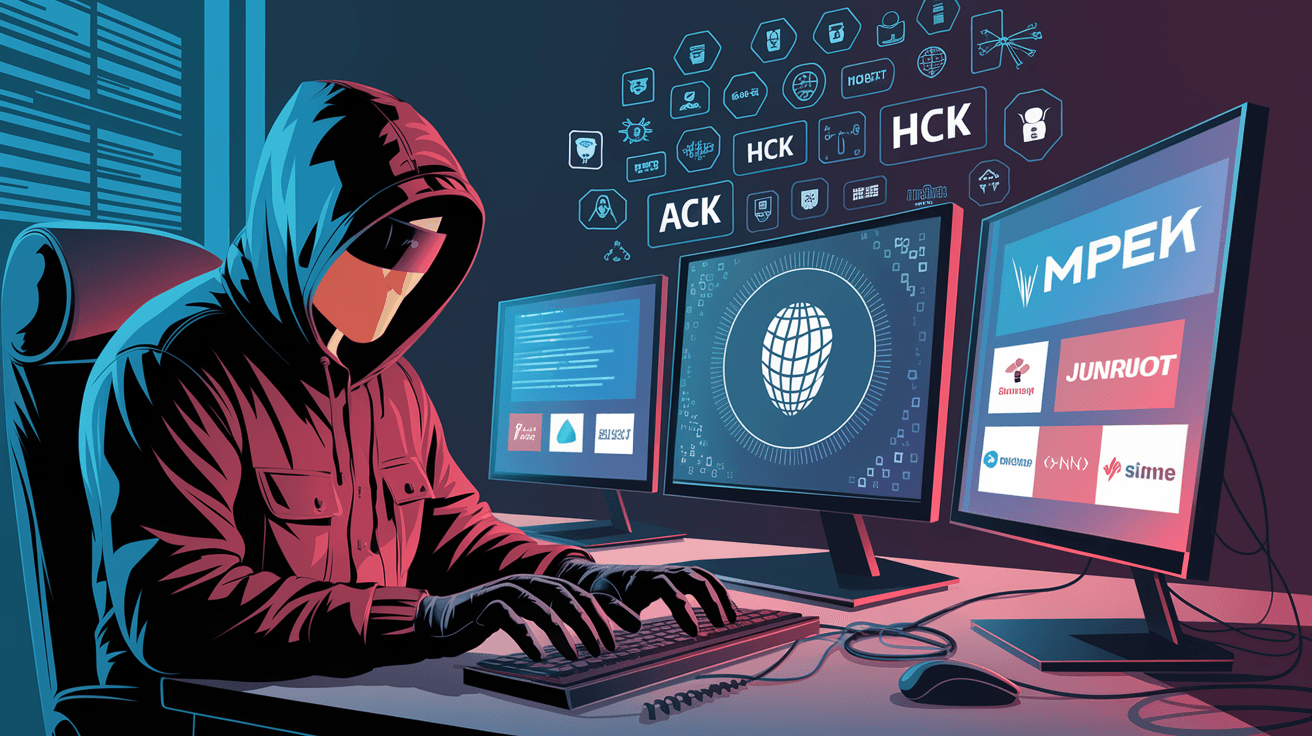
You might have heard about data breach attacks in the news or from friends, but what exactly are they? A data breach attack happens when someone gains unauthorized access to sensitive information. This could be your personal details, financial records, or company secrets. Understanding what a data breach attack is can help you stay safe online and protect your data.
In this article, I’ll explain what data breach attacks are, how they happen, and what you can do to prevent them. Whether you’re an individual or a business owner, knowing the risks and defenses is important in today’s digital world.
What Is a Data Breach Attack?
A data breach attack is when hackers or unauthorized people break into a system to steal or expose private information. This information can include passwords, credit card numbers, social security numbers, or confidential business data.
How It Happens
- Hacking: Attackers use software tools to find weaknesses in a system and break in.
- Phishing: They trick people into giving away passwords or clicking on harmful links.
- Malware: Malicious software can infect devices and steal data silently.
- Insider Threats: Sometimes, employees or contractors with access misuse or leak data.
- Physical Theft: Losing devices like laptops or USB drives can also cause breaches.
Data breach attacks can target individuals, companies, or even governments. The goal is usually to steal information for money, espionage, or to cause harm.
Common Types of Data Breach Attacks
Understanding the types of data breach attacks helps you recognize the risks. Here are some common ones:
1. Credential Stuffing
Hackers use stolen usernames and passwords from one site to try logging into others. Since many people reuse passwords, this can give attackers access to multiple accounts.
2. Ransomware Attacks
This type of malware locks your data and demands payment to unlock it. It can cause major disruptions for businesses and individuals.
3. SQL Injection
Attackers insert harmful code into websites or databases to access or delete data. This is common in poorly secured websites.
4. Man-in-the-Middle (MitM) Attacks
Hackers intercept communication between two parties, like when you use public Wi-Fi, to steal information.
5. Social Engineering
This involves manipulating people into revealing confidential information, often through fake emails or phone calls.
Why Data Breach Attacks Are Dangerous
Data breach attacks can cause serious problems for both individuals and organizations.
- Financial Loss: Stolen credit card or bank details can lead to fraud.
- Identity Theft: Personal information can be used to open fake accounts or commit crimes.
- Reputation Damage: Companies lose customer trust and face legal penalties.
- Operational Disruption: Businesses may have to shut down systems to fix breaches.
- Legal Consequences: Many countries have strict laws about protecting data, and breaches can lead to fines.
For example, a major retail company suffered a data breach that exposed millions of customers’ credit card details. This led to lawsuits and a drop in sales.
How to Detect a Data Breach Attack
Detecting a data breach early can reduce damage. Here are some signs to watch for:
- Unusual account activity or login attempts.
- Receiving alerts about password changes you didn’t make.
- Slow or crashing systems.
- Unexpected pop-ups or messages.
- Notifications from security software about malware.
Businesses often use special tools like intrusion detection systems (IDS) and security information and event management (SIEM) to monitor for breaches.
How to Protect Yourself from Data Breach Attacks
You can take several steps to protect your data from breaches:
For Individuals
- Use strong, unique passwords for each account.
- Enable two-factor authentication (2FA).
- Avoid clicking on suspicious links or attachments.
- Keep your software and devices updated.
- Use secure Wi-Fi networks and VPNs when possible.
For Businesses
- Train employees about cybersecurity risks.
- Regularly update and patch software.
- Limit access to sensitive data.
- Use encryption to protect stored and transmitted data.
- Have an incident response plan ready.
What to Do If You Experience a Data Breach
If you suspect your data has been breached, act quickly:
- Change your passwords immediately.
- Monitor your bank and credit card statements for unusual activity.
- Report the breach to your bank or service provider.
- Use credit monitoring services to detect identity theft.
- For businesses, notify affected customers and comply with legal reporting requirements.
The Future of Data Breach Attacks
As technology evolves, so do data breach attacks. Cybercriminals are using artificial intelligence and automation to launch more sophisticated attacks. At the same time, companies are investing in advanced security measures like machine learning-based threat detection and zero-trust architectures.
Staying informed and proactive is key to keeping your data safe in the future.
Conclusion
Now you know that a data breach attack is when unauthorized people access private information. These attacks can happen in many ways, from hacking to phishing, and they pose serious risks to your money, identity, and privacy. But by understanding how these attacks work, you can take steps to protect yourself.
Whether you’re an individual or a business, using strong passwords, updating software, and staying alert can make a big difference. Remember, cybersecurity is an ongoing effort, and staying informed helps you stay safe in our connected world.
FAQs
What is the main cause of data breach attacks?
Most data breaches happen due to weak passwords, phishing scams, or unpatched software vulnerabilities that hackers exploit to gain access.
How can I tell if my data was breached?
Look for unusual account activity, unexpected password reset emails, or alerts from security services about suspicious logins.
Are data breach attacks illegal?
Yes, unauthorized access to data is illegal in most countries and can lead to criminal charges and fines.
Can data breaches happen on mobile devices?
Absolutely. Mobile devices can be hacked through malicious apps, unsecured Wi-Fi, or phishing attacks.
What is two-factor authentication (2FA)?
2FA adds an extra layer of security by requiring a second form of verification, like a code sent to your phone, in addition to your password.




