
What is Cyber Range Platform
Introduction
You might have heard about cyber range platforms but wonder what they really are and why they matter. In today’s digital world, cyber threats are growing fast, and organizations need smart ways to prepare. That’s where cyber range platforms come in. They offer a safe, realistic space to practice defending against cyberattacks.
We’ll explore what a cyber range platform is, how it works, and why it’s becoming a must-have tool for cybersecurity teams. Whether you’re new to cybersecurity or looking to boost your skills, understanding cyber ranges will help you stay ahead in the cyber defense game.
What is a Cyber Range Platform?
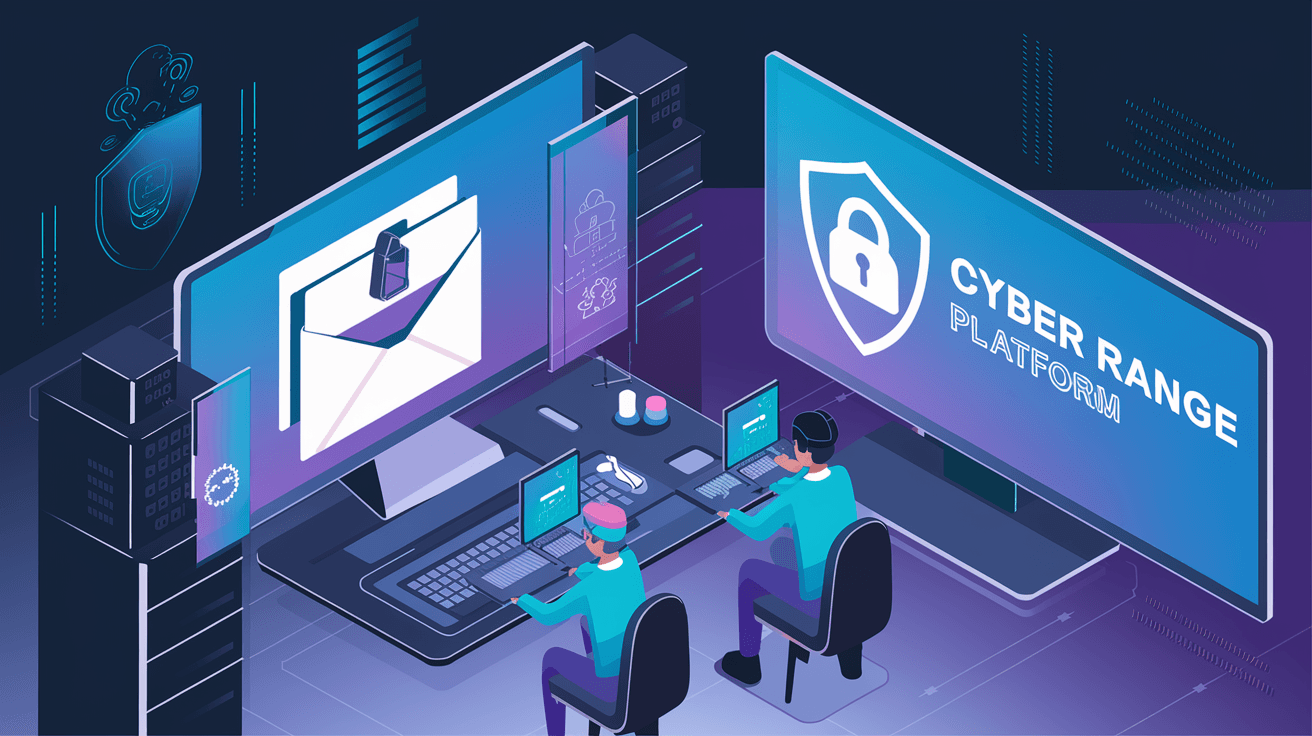
A cyber range platform is a virtual environment designed to simulate real-world cyberattack scenarios. Think of it as a digital training ground where cybersecurity professionals can practice detecting, responding to, and mitigating cyber threats without risking actual systems.
These platforms mimic networks, systems, and applications that attackers might target. Users can test their skills against simulated attacks like malware, phishing, ransomware, and more. The goal is to improve readiness and response times in a controlled, safe setting.
Key Features of Cyber Range Platforms
- Realistic Simulations: Replicate complex cyberattacks and network environments.
- Hands-On Training: Allow users to practice defense tactics in real-time.
- Collaboration Tools: Enable teams to work together during exercises.
- Performance Analytics: Track user actions and provide feedback for improvement.
- Customizable Scenarios: Tailor exercises to specific industries or threats.
How Does a Cyber Range Platform Work?
Cyber range platforms use virtualization and cloud technologies to create flexible, scalable environments. Here’s how they typically operate:
- Setup of Virtual Environments: The platform builds virtual networks, servers, and devices that mimic real IT infrastructure.
- Scenario Design: Trainers or administrators create attack scenarios based on current threats or organizational needs.
- User Engagement: Participants log in and interact with the environment, responding to simulated attacks.
- Monitoring and Feedback: The system tracks actions, measures success, and provides detailed reports.
- Debriefing: After exercises, teams review what happened, discuss mistakes, and plan improvements.
This process helps users gain practical experience without risking live systems or data.
Technologies Behind Cyber Range Platforms
- Virtual Machines (VMs): Run multiple operating systems and applications on one physical server.
- Containers: Lightweight environments for running applications consistently.
- Cloud Computing: Offers scalability and remote access for users worldwide.
- Automation Tools: Manage scenario deployment and reset environments quickly.
- Security Tools Integration: Include firewalls, intrusion detection systems, and malware simulators.
Benefits of Using a Cyber Range Platform
Using a cyber range platform offers many advantages for individuals and organizations aiming to strengthen their cybersecurity posture.
For Individuals
- Skill Development: Practice real-world attack and defense techniques.
- Confidence Building: Gain hands-on experience in a risk-free setting.
- Certification Preparation: Prepare for cybersecurity certifications with practical labs.
- Career Advancement: Stand out by demonstrating advanced skills.
For Organizations
- Improved Incident Response: Train teams to react faster and more effectively.
- Risk Reduction: Identify weaknesses before real attacks occur.
- Compliance Support: Meet regulatory requirements for cybersecurity training.
- Team Collaboration: Foster communication and coordination during cyber incidents.
- Cost Savings: Reduce the impact of breaches by improving preparedness.
Types of Cyber Range Platforms
Cyber range platforms come in different forms, each suited to specific needs.
1. Commercial Cyber Ranges
These are ready-made platforms offered by vendors. They often include a wide range of scenarios and support services. Examples include platforms from companies like Cyberbit, Circadence, and RangeForce.
- Pros: Easy to deploy, regularly updated, professional support.
- Cons: Can be costly, less customizable.
2. Open-Source Cyber Ranges
These platforms are free or low-cost and allow more customization. Examples include Cyber Range Solutions and OpenCyberRange.
- Pros: Flexible, community-driven, cost-effective.
- Cons: Require technical expertise to set up and maintain.
3. Custom-Built Cyber Ranges
Some organizations build their own cyber ranges tailored to their specific infrastructure and threats.
- Pros: Fully customized, aligned with organizational needs.
- Cons: Expensive and time-consuming to develop.
Use Cases of Cyber Range Platforms
Cyber range platforms serve many purposes across industries and roles.
Cybersecurity Training and Education
- Universities and training centers use cyber ranges to teach students practical skills.
- Companies train employees on security best practices and incident response.
Incident Response Drills
- Teams simulate cyberattacks to practice coordinated responses.
- Helps identify gaps in communication and procedures.
Testing Security Tools
- Organizations test new security software or configurations in a safe environment.
- Ensures tools work effectively before deployment.
Research and Development
- Researchers study attack methods and develop new defense strategies.
- Cyber ranges provide a controlled lab for experiments.
Challenges and Considerations
While cyber range platforms offer many benefits, there are some challenges to keep in mind.
- Cost: High-quality platforms can be expensive to license or build.
- Complexity: Setting up realistic scenarios requires expertise.
- Maintenance: Environments need regular updates to reflect evolving threats.
- User Engagement: Training must be engaging to be effective.
- Integration: Platforms should work well with existing security tools and processes.
Organizations should weigh these factors when choosing or developing a cyber range.
Future Trends in Cyber Range Platforms
The cyber range market is evolving rapidly, driven by new technologies and growing demand.
Artificial Intelligence and Machine Learning
AI is being integrated to create smarter attack simulations and personalized training paths.
Cloud-Native Cyber Ranges
Cloud platforms enable easier access, scalability, and collaboration across geographies.
Gamification
Adding game-like elements boosts user engagement and motivation during training.
Industry-Specific Scenarios
More platforms offer tailored exercises for sectors like healthcare, finance, and government.
Integration with Cybersecurity Frameworks
Cyber ranges are aligning with standards like NIST and ISO to support compliance and best practices.
Conclusion
Understanding what a cyber range platform is can transform how you approach cybersecurity training and defense. These platforms provide a safe, realistic space to practice handling cyber threats, helping you build skills and confidence. Whether you’re an individual learner or part of a security team, cyber ranges offer valuable hands-on experience that’s hard to get elsewhere.
As cyber threats grow more complex, using a cyber range platform becomes essential for staying prepared. By simulating real attacks and testing responses, you can reduce risks and improve your organization’s security posture. Investing time and resources in cyber range training today will pay off in stronger defenses tomorrow.
FAQs
What is the main purpose of a cyber range platform?
A cyber range platform’s main purpose is to provide a safe, virtual environment for practicing cybersecurity skills through realistic attack simulations and defense exercises.
Who can benefit from using a cyber range platform?
Cybersecurity professionals, students, organizations, and incident response teams can all benefit by improving skills, testing tools, and preparing for real cyber threats.
How do cyber range platforms simulate real cyberattacks?
They use virtual machines, containers, and automation to recreate networks and systems, then run scripted or AI-driven attack scenarios for users to respond to.
Are cyber range platforms expensive to use?
Costs vary; commercial platforms can be costly, while open-source options are more affordable but may require technical skills to manage.
Can cyber range platforms help with cybersecurity certifications?
Yes, many platforms offer labs and exercises aligned with certification requirements, helping learners gain practical experience needed for exams.




