
What is Cyber Espionage
Introduction
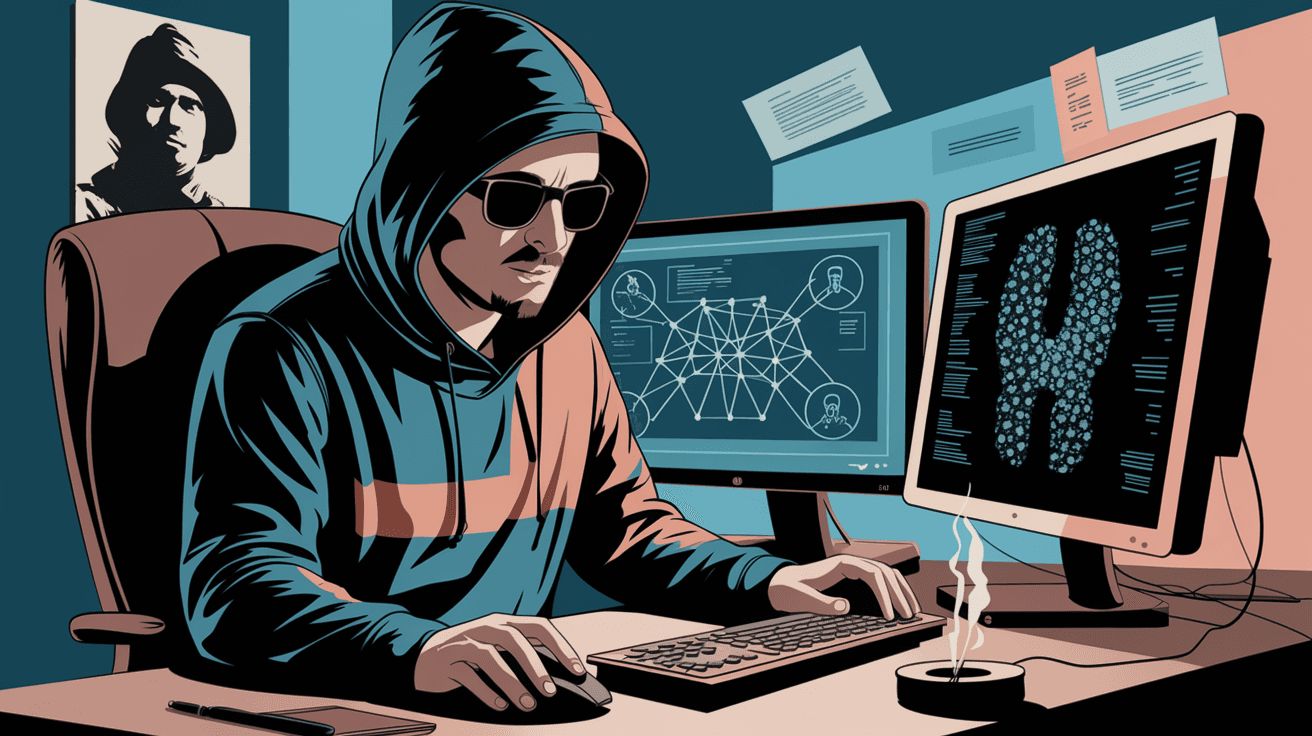
You might have heard the term "cyber espionage" in news reports or tech discussions. But what does it really mean? Cyber espionage is a form of spying that happens online, where hackers or governments secretly steal sensitive information from others. It’s a growing threat in our digital world, affecting businesses, governments, and even individuals.
In this article, I’ll explain what cyber espionage is, how it works, and why it matters to you. We’ll explore the tools used, the risks involved, and how organizations try to protect themselves. By the end, you’ll have a clear understanding of this complex topic and how it shapes our digital security landscape.
What is Cyber Espionage?
Cyber espionage is the act of using digital tools to secretly gather confidential information from a person, company, or government without permission. Unlike traditional spying, which might involve physical infiltration, cyber espionage happens entirely online. It targets data like trade secrets, military plans, or personal information.
Key Characteristics of Cyber Espionage
- Stealthy: Attackers try to avoid detection while stealing data.
- Targeted: Focuses on specific organizations or individuals.
- Persistent: Often involves long-term access to systems.
- State-Sponsored or Criminal: Can be done by governments or cybercriminal groups.
Cyber espionage is a form of cyberattack but with a goal of intelligence gathering rather than destruction or ransom.
How Does Cyber Espionage Work?
Cyber espionage uses various techniques to infiltrate computer systems and networks. Here’s how it typically happens:
Common Methods Used in Cyber Espionage
- Phishing Attacks: Sending fake emails to trick users into revealing passwords or clicking malicious links.
- Malware: Installing software that secretly records keystrokes, steals files, or opens backdoors.
- Zero-Day Exploits: Using unknown software vulnerabilities to gain access before patches are available.
- Spear Phishing: Highly targeted phishing aimed at specific individuals with personalized messages.
- Social Engineering: Manipulating people to give away confidential information.
Once inside, attackers move laterally within networks to find valuable data. They often use encryption and other tools to hide their activities.
Example Scenario
Imagine a hacker group targeting a defense contractor. They might send an email that looks like it’s from a trusted partner. When an employee clicks a link, malware installs itself, giving the hackers access to secret project files. The hackers quietly copy the data over weeks or months without raising alarms.
Who Are the Main Actors Behind Cyber Espionage?
Cyber espionage is often linked to nation-states, but it can also involve private groups. Here are the main players:
Nation-State Actors
Governments use cyber espionage to gain political, military, or economic advantages. Countries invest heavily in cyber units to spy on rivals or protect their own interests.
- Examples include China, Russia, the United States, and North Korea.
- They target foreign governments, defense contractors, and critical infrastructure.
Cybercriminal Groups
Some criminal organizations engage in cyber espionage to steal business secrets or personal data for profit. They may sell stolen information on the dark web or use it for blackmail.
Insider Threats
Employees or contractors with access to sensitive information can also commit cyber espionage. They might be motivated by money, ideology, or coercion.
Why is Cyber Espionage a Growing Concern?
The rise of digital technology has made cyber espionage easier and more dangerous. Here’s why it’s a big deal:
Increasing Digital Dependency
We rely on computers and the internet for almost everything. This creates many opportunities for attackers to find weak points.
Economic Impact
Stolen trade secrets can cost companies billions in lost revenue and damage their competitive edge.
National Security Risks
Cyber espionage can expose military secrets or disrupt critical infrastructure, threatening a country’s safety.
Privacy Violations
Personal data stolen during cyber espionage can lead to identity theft or surveillance.
Examples of Recent Cyber Espionage Incidents
- A major tech company lost valuable intellectual property to hackers linked to a foreign government.
- Government agencies worldwide have reported breaches targeting classified information.
- Critical infrastructure sectors like energy and transportation have been targeted to gather intelligence.
How Do Organizations Defend Against Cyber Espionage?
Protecting against cyber espionage requires a mix of technology, policies, and awareness. Here’s what organizations do:
Technical Measures
- Firewalls and Intrusion Detection Systems: Monitor and block suspicious activity.
- Encryption: Protects data in transit and at rest.
- Multi-Factor Authentication: Adds extra security beyond passwords.
- Regular Software Updates: Fix vulnerabilities before attackers exploit them.
- Network Segmentation: Limits access to sensitive areas.
Employee Training
Since many attacks start with phishing or social engineering, training employees to recognize threats is crucial.
Incident Response Plans
Organizations prepare for breaches by having clear steps to detect, contain, and recover from attacks.
Threat Intelligence Sharing
Companies and governments share information about new threats to stay ahead of attackers.
The Legal and Ethical Issues of Cyber Espionage
Cyber espionage raises complex legal and ethical questions. Here’s why:
International Law Challenges
- There is no global agreement on what counts as acceptable cyber spying.
- Countries often accuse each other of cyber espionage, leading to diplomatic tensions.
Privacy Concerns
- Spying on individuals or companies can violate privacy rights.
- Balancing national security with personal freedoms is difficult.
Ethical Dilemmas
- Is it justified for governments to spy on others to protect their own interests?
- What limits should exist for cyber operations?
What Can You Do to Protect Yourself?
While cyber espionage mainly targets organizations, individuals can also take steps to stay safe:
- Use strong, unique passwords and change them regularly.
- Enable two-factor authentication on your accounts.
- Be cautious with emails and links from unknown sources.
- Keep your software and devices updated.
- Use a reputable antivirus and firewall.
- Avoid sharing sensitive information on unsecured networks.
Conclusion
Cyber espionage is a hidden but powerful threat in today’s digital world. It involves secret spying using computers to steal valuable information from governments, companies, and individuals. Understanding how it works helps you see why it’s so dangerous and why protection is essential.
By learning about the methods, actors, and defenses involved, you can better appreciate the challenges of cyber espionage. Whether you’re running a business or just using the internet, staying informed and cautious is your best defense against this invisible threat.
FAQs
What is the main goal of cyber espionage?
The main goal is to secretly gather sensitive information for political, economic, or military advantage without being detected.
How is cyber espionage different from hacking?
Cyber espionage focuses on spying and stealing information quietly, while hacking can include a wider range of attacks, including destruction or ransom.
Can individuals be targets of cyber espionage?
Yes, especially if they hold valuable information or access to organizations, but most targets are governments and companies.
What are common signs of a cyber espionage attack?
Signs include unusual network activity, unexpected software installations, and employees receiving suspicious emails.
How do governments respond to cyber espionage threats?
They invest in cybersecurity, create laws, share threat intelligence, and sometimes retaliate with their own cyber operations.




