
What is Cryptojacking
Introduction
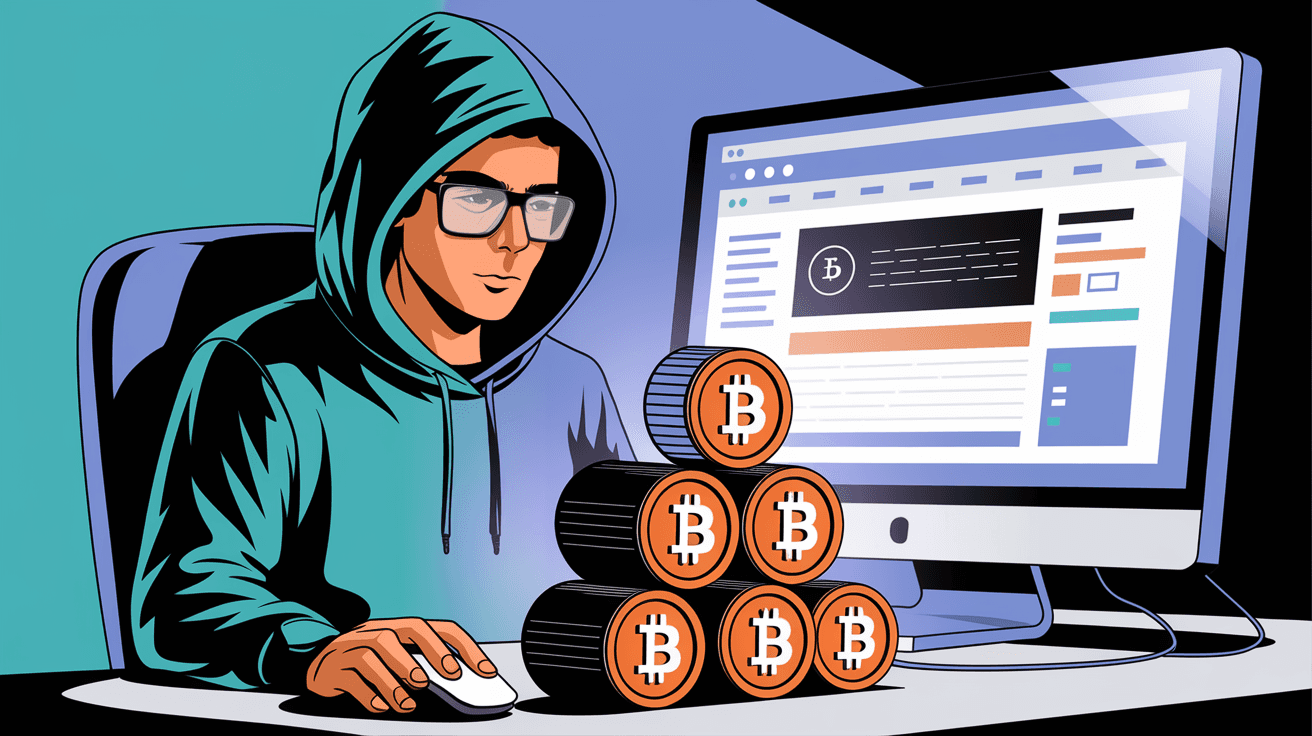
You might have heard about cryptojacking but wonder what it really means and why it matters to you. Cryptojacking is a sneaky cybercrime where hackers use your computer or device to mine cryptocurrency without your permission. It’s like someone secretly using your electricity and computer power to make money for themselves.
In this article, I’ll explain what cryptojacking is, how it works, why it’s dangerous, and what you can do to protect yourself. Understanding this threat helps you stay safe online and avoid unexpected slowdowns or security risks on your devices.
What Is Cryptojacking?
Cryptojacking is a type of cyberattack where criminals hijack your device’s processing power to mine cryptocurrencies like Bitcoin or Monero. Instead of stealing your data or money directly, they use your computer’s resources to generate digital coins for themselves.
- It can happen on any internet-connected device: computers, smartphones, tablets, or even servers.
- The victim usually doesn’t notice because cryptojacking runs silently in the background.
- Hackers profit by mining cryptocurrency without paying for electricity or hardware.
This form of attack became popular as cryptocurrencies grew in value. Mining requires a lot of computing power, so criminals look for easy targets to maximize profits without costs.
How Does Cryptojacking Work?
Cryptojacking typically happens in two main ways: through malicious software or via infected websites.
1. Malicious Software (Malware)
Hackers trick users into downloading malware disguised as legitimate software or attachments. Once installed, this malware runs mining scripts on your device.
- It can arrive via email phishing, fake apps, or infected downloads.
- The malware uses your CPU or GPU to mine cryptocurrency continuously.
- It often hides itself to avoid detection by antivirus programs.
2. Browser-Based Cryptojacking
This method uses JavaScript code embedded in websites. When you visit an infected site, the code runs in your browser and mines cryptocurrency without needing to install anything.
- You might notice your device slowing down or overheating.
- The mining stops when you close the browser tab.
- Some websites use this method as an alternative to ads, but many do it without consent.
Both methods exploit your device’s resources, causing higher electricity bills and reduced performance.
Why Is Cryptojacking Dangerous?
You might think cryptojacking is harmless since it doesn’t steal your personal data directly. However, it poses several risks:
- Device Slowdown: Mining consumes a lot of CPU or GPU power, making your device sluggish.
- Overheating: Continuous mining can cause hardware to overheat, reducing its lifespan.
- Increased Electricity Costs: Mining uses more power, which can raise your bills.
- Security Risks: Malware used for cryptojacking can open doors for other attacks.
- Data Loss: Some cryptojacking malware can damage files or systems.
For businesses, cryptojacking can disrupt operations and increase IT costs. For individuals, it can mean frustrating slow devices and potential exposure to further cyber threats.
Signs Your Device Might Be Cryptojacked
Detecting cryptojacking early helps you stop it before serious damage occurs. Watch for these signs:
- Your device suddenly runs much slower than usual.
- Fans or hardware get louder or hotter.
- Battery drains faster on laptops or smartphones.
- Unexpected spikes in electricity usage.
- Browser tabs or apps use high CPU or GPU resources.
- Antivirus or security software alerts about suspicious activity.
If you notice these symptoms, it’s a good idea to scan your device for malware or check browser extensions and websites you recently visited.
How to Protect Yourself from Cryptojacking
Preventing cryptojacking involves a mix of good habits, security tools, and awareness. Here’s what you can do:
Keep Software Updated
- Regularly update your operating system, browsers, and apps.
- Updates often include security patches that block mining scripts or malware.
Use Reliable Security Software
- Install antivirus and anti-malware programs with real-time protection.
- Some tools specifically detect cryptojacking scripts and block them.
Be Careful with Downloads and Links
- Avoid clicking suspicious email links or downloading unknown attachments.
- Only install apps from trusted sources like official app stores.
Manage Browser Extensions
- Remove unnecessary or suspicious browser extensions.
- Use browser settings or add-ons that block mining scripts (e.g., NoScript, MinerBlock).
Monitor Device Performance
- Keep an eye on CPU and GPU usage through task managers or system monitors.
- Close browser tabs or apps that use excessive resources.
Use Ad Blockers and Script Blockers
- Many cryptojacking scripts run through ads or embedded scripts.
- Ad blockers can reduce exposure to malicious ads.
Cryptojacking in the Corporate World
Cryptojacking is not just a personal threat; it affects businesses too. Companies with many devices or servers are prime targets because hackers can mine more cryptocurrency.
- It can slow down critical systems, affecting productivity.
- Increased power consumption raises operational costs.
- Data centers and cloud services can be exploited if not properly secured.
- Some attacks target IoT devices, which often have weaker security.
Businesses must implement strong cybersecurity policies, employee training, and advanced monitoring to detect and prevent cryptojacking.
Legal and Ethical Issues Around Cryptojacking
Cryptojacking is illegal because it uses someone else’s resources without permission. It’s considered theft and unauthorized access under many laws worldwide.
- Hackers face criminal charges if caught.
- Some websites tried using cryptojacking scripts with user consent as an alternative to ads, but this practice is controversial.
- Ethical cryptomining requires transparency and user permission.
Understanding these issues helps you recognize why cryptojacking is a serious cybercrime and why protecting yourself matters.
The Future of Cryptojacking
As cryptocurrencies evolve, cryptojacking techniques also change. Experts predict:
- More sophisticated malware that evades detection.
- Increased use of AI to optimize mining on hijacked devices.
- Growth in cryptojacking targeting mobile and IoT devices.
- Development of better security tools to detect and block mining scripts.
Staying informed and vigilant is key to defending against this evolving threat.
Conclusion
Cryptojacking is a hidden cyber threat that uses your device’s power to mine cryptocurrency without your knowledge. It can slow down your devices, increase electricity costs, and expose you to further security risks. Whether you’re an individual or a business, understanding how cryptojacking works helps you spot signs early and take action.
By keeping your software updated, using strong security tools, and practicing safe browsing habits, you can protect yourself from cryptojacking. Staying aware of this threat ensures your devices run smoothly and your data stays safe in the digital world.
FAQs
What devices can be affected by cryptojacking?
Any internet-connected device can be affected, including computers, smartphones, tablets, servers, and even IoT devices like smart home gadgets.
How can I tell if a website is using cryptojacking scripts?
If your device slows down or heats up when visiting a site, or if your browser’s CPU usage spikes, the site might be running cryptojacking scripts.
Is cryptojacking illegal?
Yes, cryptojacking without user consent is illegal in most countries as it involves unauthorized use of someone else’s resources.
Can antivirus software detect cryptojacking?
Many modern antivirus programs can detect cryptojacking malware and block mining scripts, but it’s important to keep them updated.
What should I do if I suspect my device is cryptojacked?
Run a full malware scan, close suspicious browser tabs, update your software, and consider resetting your device if the problem persists.




