
What is Cross-Domain Gateway
Introduction
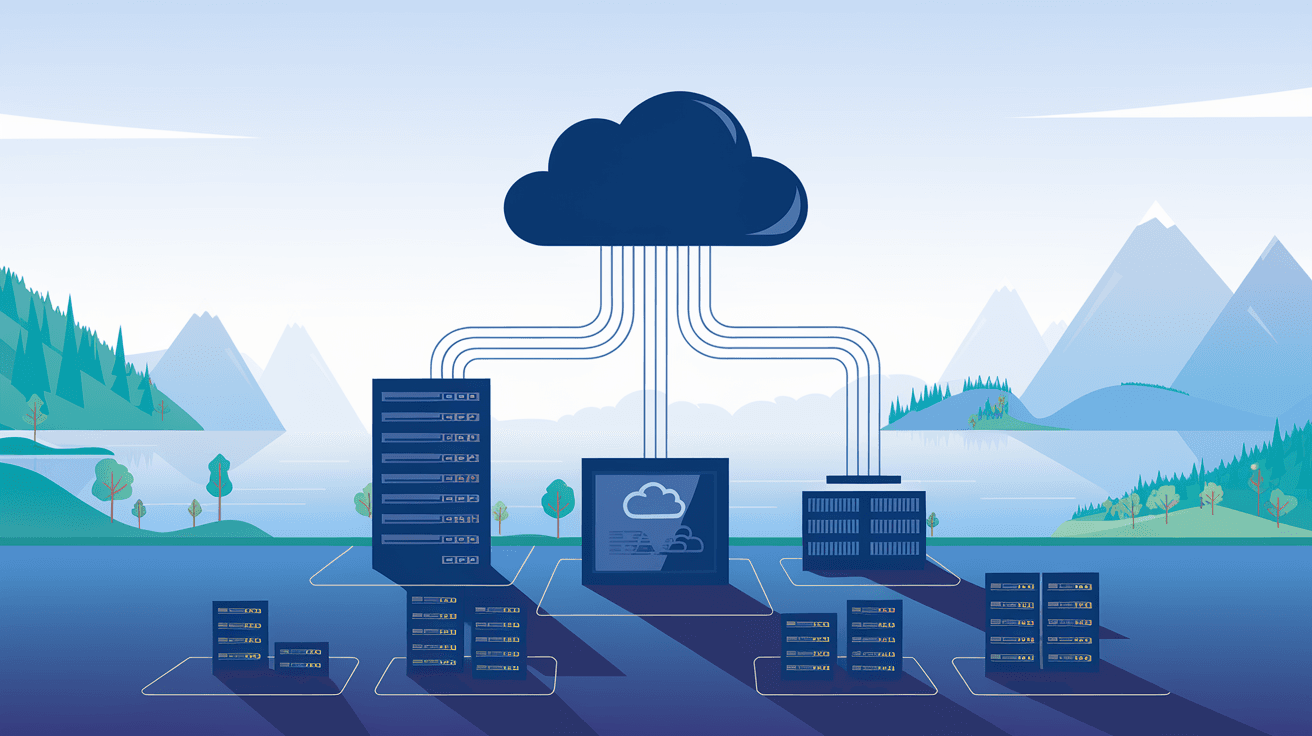
You might have heard the term "Cross-Domain Gateway" and wondered what it means and why it matters. In today’s connected world, data often needs to move securely between different networks or domains. That’s where a Cross-Domain Gateway comes in. It acts as a bridge, helping information flow safely while keeping systems protected.
In this article, I’ll explain what a Cross-Domain Gateway is, how it works, and why it’s important for businesses and governments. Whether you’re new to this concept or want to understand its role better, you’ll find clear answers here.
What is a Cross-Domain Gateway?
A Cross-Domain Gateway (CDG) is a security device or software that enables the transfer of data between different security domains. These domains could be networks with different security levels, such as classified and unclassified systems, or separate organizational networks.
The main goal of a CDG is to allow communication while preventing unauthorized access or data leakage. It acts as a controlled checkpoint, ensuring that only approved information passes through.
Key Characteristics of Cross-Domain Gateways
- Security Enforcement: Filters data to block malicious or sensitive content.
- Data Mediation: Converts or sanitizes data formats to ensure compatibility.
- Policy Compliance: Applies rules based on organizational or regulatory requirements.
- Audit and Logging: Tracks all data transfers for accountability.
By managing these tasks, a Cross-Domain Gateway helps maintain the integrity and confidentiality of information across different environments.
How Does a Cross-Domain Gateway Work?
Understanding how a Cross-Domain Gateway works can help you appreciate its importance. It’s not just a simple data pipe; it carefully inspects and controls every piece of information moving between domains.
Step-by-Step Process
- Data Input: Data arrives from the source domain.
- Validation: The gateway checks the data against security policies.
- Filtering: It removes or blocks any unauthorized or dangerous content.
- Transformation: If needed, the data is converted into a compatible format.
- Transfer: Approved data is sent to the destination domain.
- Logging: The entire process is recorded for auditing.
Technologies Used in Cross-Domain Gateways
- Content Filtering: Scans files and messages for malware or sensitive data.
- Data Diodes: Hardware that allows one-way data flow to prevent leaks.
- Encryption: Protects data during transfer.
- Protocol Translation: Ensures different systems can understand each other.
These technologies work together to create a secure and reliable data exchange environment.
Why Are Cross-Domain Gateways Important?
Cross-Domain Gateways are critical in many sectors where data security is a top priority. They help organizations share information without risking exposure to threats or breaches.
Use Cases of Cross-Domain Gateways
- Government and Defense: Sharing classified information between agencies with different clearance levels.
- Healthcare: Transferring patient data securely between hospitals and insurance companies.
- Financial Services: Exchanging sensitive financial data across different networks.
- Industrial Control Systems: Protecting critical infrastructure by isolating control networks from external access.
Benefits of Using Cross-Domain Gateways
- Enhanced Security: Prevents unauthorized access and data leaks.
- Regulatory Compliance: Helps meet legal requirements for data protection.
- Operational Efficiency: Enables safe data sharing without manual intervention.
- Risk Reduction: Minimizes the chance of cyberattacks spreading across domains.
By using a Cross-Domain Gateway, organizations can confidently collaborate and share data while maintaining strong security controls.
Types of Cross-Domain Gateways
There are different types of Cross-Domain Gateways depending on their design and purpose. Choosing the right type depends on your specific security needs.
One-Way Gateways (Data Diodes)
These allow data to flow in only one direction, from a lower security domain to a higher one or vice versa. They are often used to prevent data leaks in highly sensitive environments.
- Example: Sending unclassified data to a classified network without risk of reverse flow.
Two-Way Gateways
These support bidirectional data transfer but with strict controls and filtering on both sides. They are more flexible but require stronger security measures.
- Example: Communication between two government agencies with different security levels.
Application-Specific Gateways
Some gateways are designed for specific applications or data types, such as email, file transfers, or web browsing. They apply tailored security policies for those use cases.
- Example: A gateway that scans and filters email attachments before delivery.
Challenges in Implementing Cross-Domain Gateways
While Cross-Domain Gateways provide many benefits, they also come with challenges that organizations must address.
Complexity of Configuration
Setting up a CDG requires detailed knowledge of security policies and network architecture. Misconfiguration can lead to security gaps or data loss.
Performance Impact
Because gateways inspect and filter data, they can introduce delays or reduce network speed. Balancing security and performance is essential.
Compatibility Issues
Different systems may use incompatible data formats or protocols, requiring complex transformations.
Cost Considerations
High-quality Cross-Domain Gateways can be expensive to acquire and maintain, especially for smaller organizations.
Despite these challenges, the security advantages often outweigh the difficulties.
Best Practices for Using Cross-Domain Gateways
To get the most from a Cross-Domain Gateway, follow these best practices:
- Define Clear Policies: Establish what data can flow and under what conditions.
- Regularly Update Rules: Keep security policies and filtering rules current.
- Monitor and Audit: Continuously track data transfers and review logs.
- Test Thoroughly: Validate gateway configurations before deployment.
- Train Staff: Ensure users understand the gateway’s role and limitations.
By following these steps, you can maintain a secure and efficient cross-domain data exchange.
Future Trends in Cross-Domain Gateways
As cyber threats evolve, Cross-Domain Gateways are also advancing. Here are some trends shaping their future:
- AI-Powered Filtering: Using artificial intelligence to detect complex threats and anomalies.
- Cloud Integration: Supporting secure data exchange in hybrid and multi-cloud environments.
- Automation: Automating policy updates and incident responses.
- Zero Trust Models: Enhancing gateway security with continuous verification of users and devices.
These innovations will make Cross-Domain Gateways even more effective and easier to manage.
Conclusion
Now that you know what a Cross-Domain Gateway is, you can see how vital it is for secure data sharing across different networks. It acts as a trusted gatekeeper, ensuring that information moves safely without exposing systems to risk.
Whether you work in government, healthcare, finance, or any field that handles sensitive data, understanding and using Cross-Domain Gateways can protect your organization. By following best practices and staying updated on new technologies, you can keep your data secure while enabling smooth communication.
FAQs
What is the main purpose of a Cross-Domain Gateway?
Its main purpose is to securely transfer data between different security domains while preventing unauthorized access or data leaks.
How does a Cross-Domain Gateway differ from a firewall?
A firewall blocks or allows traffic based on rules, while a Cross-Domain Gateway inspects, filters, and mediates data to ensure secure and compliant exchange between domains.
Can Cross-Domain Gateways handle encrypted data?
Yes, many gateways support encryption to protect data during transfer and may decrypt data for inspection before forwarding it securely.
Are Cross-Domain Gateways only used by governments?
No, they are used in various sectors like healthcare, finance, and industrial systems wherever secure data exchange is needed.
What is a data diode in the context of Cross-Domain Gateways?
A data diode is a hardware device that allows data to flow in only one direction, ensuring no reverse data leakage between domains.




