
What is Critical Infrastructure Defense
Introduction
You might have heard the term "critical infrastructure defense" but wondered what it really means. In simple terms, it’s about protecting the essential systems and services that keep our society running smoothly. Think of things like power grids, water supplies, transportation, and communication networks. Without these, daily life would be chaotic.
We all rely on these systems every day, even if we don’t notice them. That’s why defending them from threats—whether natural disasters, cyberattacks, or physical damage—is so important. In this article, I’ll explain what critical infrastructure defense is, why it matters, and how it works to keep us safe.
What Is Critical Infrastructure?
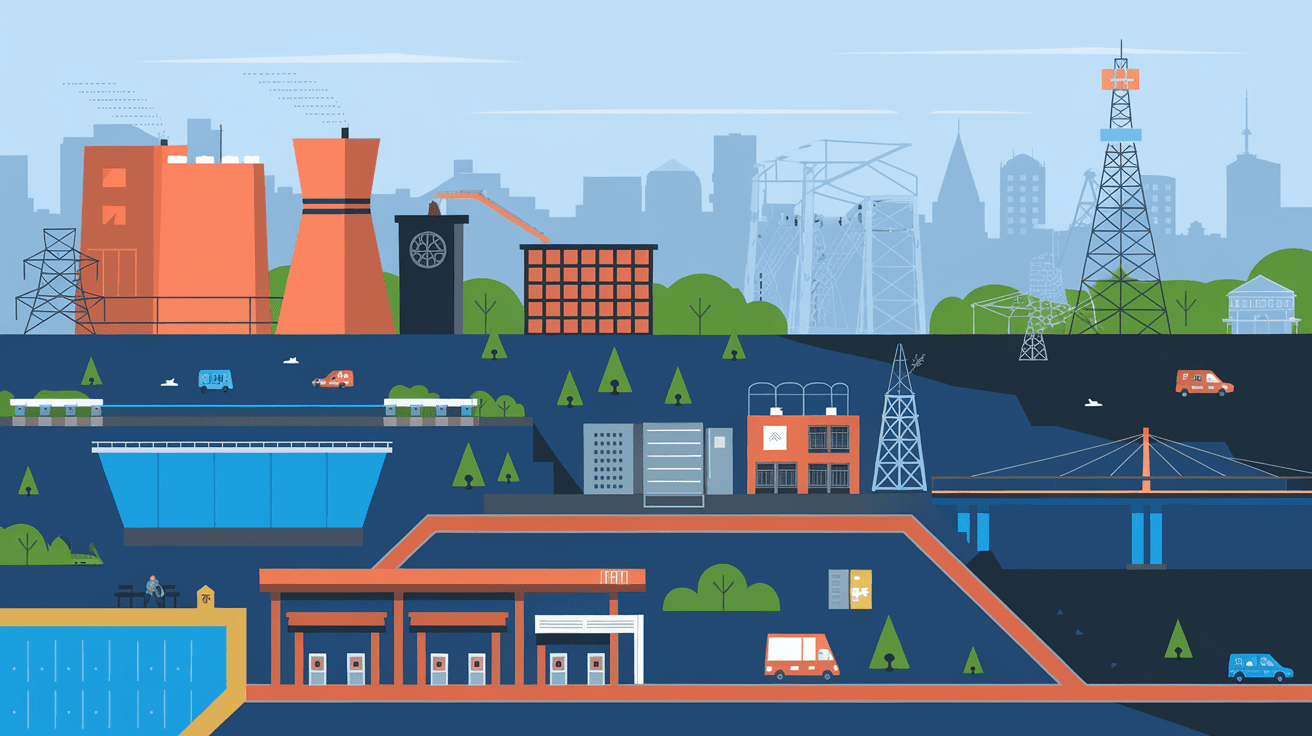
Critical infrastructure refers to the physical and digital systems that are vital for a country’s security, economy, and public health. These systems support everyday life and national security. If they fail, the consequences can be severe.
Examples of Critical Infrastructure
- Energy: Power plants, electricity grids, oil and gas pipelines.
- Water and Wastewater: Drinking water treatment and distribution systems.
- Transportation: Airports, railways, highways, and ports.
- Communication: Internet networks, telephone systems, and broadcast services.
- Healthcare: Hospitals, emergency services, and medical supply chains.
- Financial Services: Banks, stock exchanges, and payment systems.
- Government Facilities: Buildings and systems essential for government operations.
These sectors are interconnected, meaning a problem in one can affect others. For example, a power outage can disrupt hospitals and communication networks.
Why Is Critical Infrastructure Defense Important?
Protecting critical infrastructure is essential because these systems are the backbone of modern life. When they are compromised, the impact can be widespread and dangerous.
Consequences of Infrastructure Failure
- Public Safety Risks: Loss of electricity or water can threaten health and safety.
- Economic Damage: Interruptions can cost billions in lost productivity.
- National Security Threats: Attacks on infrastructure can weaken a country’s defense.
- Social Disruption: Communication breakdowns can cause panic and confusion.
In recent years, cyberattacks on infrastructure have increased. For example, ransomware attacks on hospitals or power grids can cause major disruptions. Natural disasters like hurricanes and earthquakes also pose risks by damaging physical infrastructure.
How Does Critical Infrastructure Defense Work?
Critical infrastructure defense involves strategies and actions to protect these vital systems from threats. It combines physical security, cybersecurity, and emergency preparedness.
Key Components of Defense
- Risk Assessment: Identifying vulnerabilities and potential threats.
- Physical Security: Using barriers, surveillance, and access controls to prevent physical attacks.
- Cybersecurity: Protecting digital systems from hacking, malware, and data breaches.
- Redundancy and Resilience: Building backup systems and plans to keep services running during disruptions.
- Emergency Response: Preparing for quick recovery after an incident.
Organizations responsible for infrastructure often work with government agencies to share information and coordinate defense efforts.
Cybersecurity in Critical Infrastructure Defense
Cybersecurity has become a major focus because many infrastructures rely on digital systems. Cyberattacks can cause power outages, disrupt water treatment, or steal sensitive data.
Common Cyber Threats
- Ransomware: Locking systems until a ransom is paid.
- Phishing: Tricking employees into revealing passwords.
- Malware: Software designed to damage or disrupt.
- Denial of Service (DoS): Overloading systems to make them unavailable.
Cyber Defense Strategies
- Firewalls and Encryption: Protecting data and networks.
- Regular Updates and Patches: Fixing software vulnerabilities.
- Employee Training: Teaching staff to recognize threats.
- Incident Response Plans: Preparing for quick action if attacked.
Governments often set cybersecurity standards for critical infrastructure operators to follow.
Physical Security Measures for Critical Infrastructure
Physical security protects infrastructure from sabotage, theft, or natural disasters. This includes both technology and human efforts.
Examples of Physical Security
- Fencing and Barriers: Prevent unauthorized access.
- Surveillance Cameras: Monitor sensitive areas.
- Security Personnel: Guards and patrols.
- Access Controls: Key cards, biometric scanners.
- Environmental Controls: Fire suppression and flood protection.
Physical security is often combined with cybersecurity to create a layered defense.
Building Resilience in Critical Infrastructure
Resilience means the ability to withstand and quickly recover from disruptions. It’s a key goal of critical infrastructure defense.
Ways to Improve Resilience
- Backup Power Systems: Generators and batteries.
- Alternative Communication Channels: Satellite phones or radio.
- Decentralized Systems: Avoiding single points of failure.
- Regular Drills and Training: Preparing staff for emergencies.
- Supply Chain Management: Ensuring critical materials are available.
Resilience planning helps reduce downtime and limits the impact of attacks or disasters.
Role of Government and Private Sector
Critical infrastructure is often owned and operated by private companies, but governments play a big role in defense.
Government Responsibilities
- Setting Regulations and Standards: Ensuring minimum security levels.
- Information Sharing: Alerting operators about threats.
- Funding and Support: Providing resources for defense projects.
- Emergency Coordination: Leading response efforts during crises.
Private Sector Responsibilities
- Implementing Security Measures: Following best practices.
- Reporting Incidents: Sharing information about attacks or failures.
- Investing in Technology: Upgrading systems to improve defense.
Collaboration between public and private sectors is essential for effective protection.
Emerging Technologies in Critical Infrastructure Defense
New technologies are helping improve how we defend critical infrastructure.
Examples of Innovations
- Artificial Intelligence (AI): Detecting unusual activity in networks.
- Internet of Things (IoT): Sensors monitoring infrastructure health.
- Blockchain: Securing data and transactions.
- Drones and Robotics: Inspecting hard-to-reach areas.
- Advanced Encryption: Protecting communications.
These tools help identify threats faster and respond more effectively.
Challenges in Critical Infrastructure Defense
Despite advances, defending critical infrastructure is complex and faces many challenges.
Common Challenges
- Aging Infrastructure: Older systems are harder to secure.
- Budget Constraints: Limited funding for upgrades.
- Complex Interdependencies: One failure can cascade.
- Evolving Threats: Attackers constantly change tactics.
- Workforce Shortages: Lack of skilled security professionals.
Addressing these challenges requires ongoing effort and innovation.
Conclusion
Now you know that critical infrastructure defense is about protecting the systems that keep our society safe and functioning. From power grids to hospitals, these essential services need strong defenses against physical and cyber threats. It’s a shared responsibility between governments and private companies.
By understanding the risks and using modern technologies, we can build resilient infrastructure that withstands attacks and disasters. Staying informed and prepared helps ensure these vital systems continue to support our daily lives without interruption.
FAQs
What are the main types of critical infrastructure?
Critical infrastructure includes sectors like energy, water, transportation, communication, healthcare, financial services, and government facilities. These systems are essential for public safety and economic stability.
How do cyberattacks affect critical infrastructure?
Cyberattacks can disrupt operations, cause outages, steal data, or damage equipment. For example, ransomware can lock hospital systems, delaying patient care.
Who is responsible for protecting critical infrastructure?
Both government agencies and private companies share responsibility. Governments set regulations and coordinate responses, while private firms implement security measures.
What role does resilience play in infrastructure defense?
Resilience ensures systems can continue operating during disruptions and recover quickly afterward. It involves backup systems, training, and planning.
How is technology improving critical infrastructure defense?
Technologies like AI, IoT sensors, blockchain, and drones help detect threats early, monitor infrastructure health, and secure data, making defenses smarter and faster.




