
What is Corporate Security Policy
Introduction
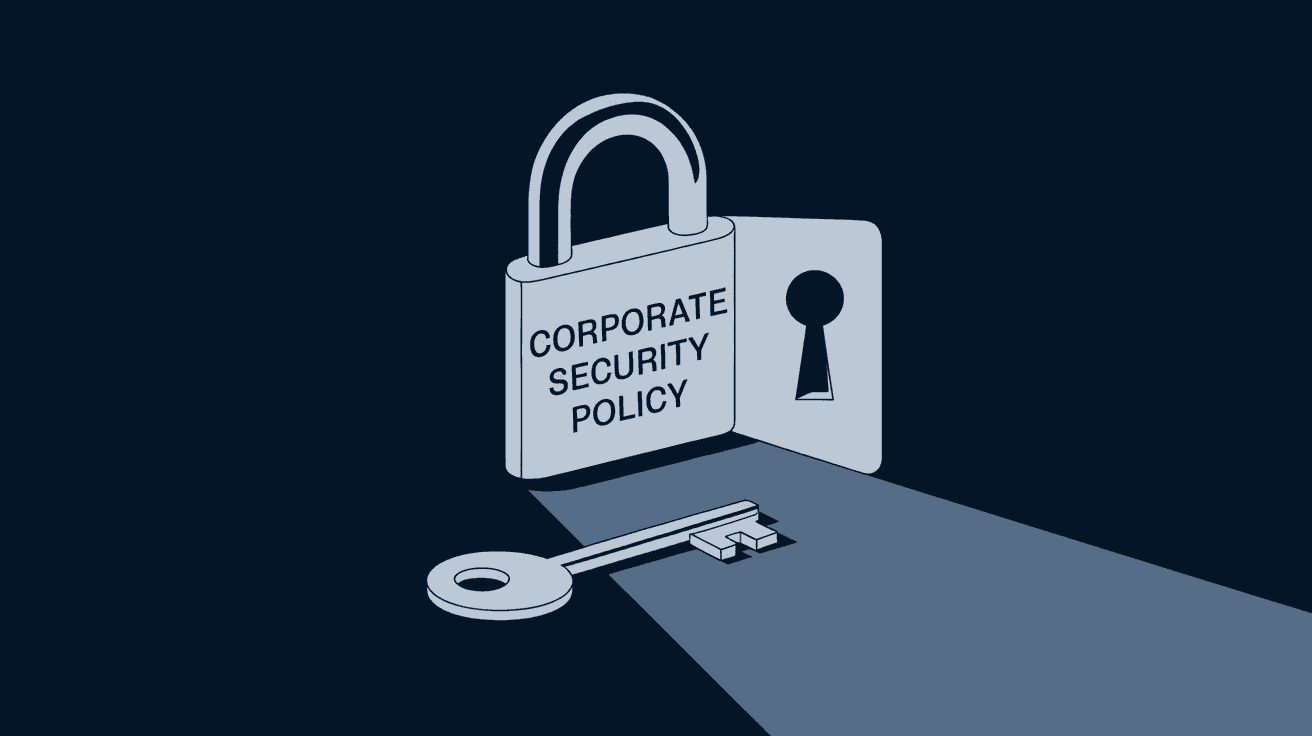
When you think about protecting a company, what comes to mind? You might picture locks, cameras, or passwords. But there’s a bigger plan behind all these tools. That plan is called a corporate security policy. It’s the set of rules and guidelines that help keep a company safe from threats.
You might wonder why your business needs one or what it should include. In this article, I’ll explain what a corporate security policy is, why it matters, and how it helps protect your company’s people, data, and reputation. By the end, you’ll understand how to create or improve your own security policy.
What Is a Corporate Security Policy?
A corporate security policy is a formal document that outlines how a company protects its assets. These assets include physical property, digital information, and even employees. The policy sets clear rules about what is allowed and what isn’t when it comes to security.
This policy covers many areas, such as:
- Access control (who can enter buildings or systems)
- Data protection (how sensitive information is handled)
- Incident response (what to do if a security breach happens)
- Employee responsibilities (what workers must do to stay secure)
By having a corporate security policy, a company creates a shared understanding of security practices. It helps everyone know their role in keeping the business safe.
Why Is a Corporate Security Policy Important?
Having a corporate security policy is crucial for several reasons. First, it helps prevent security incidents before they happen. When employees know the rules, they are less likely to make mistakes that lead to breaches.
Second, it protects the company’s reputation. A security breach can damage trust with customers and partners. A strong policy shows that the company takes security seriously.
Third, it ensures compliance with laws and regulations. Many industries have rules about data privacy and security. A corporate security policy helps meet these requirements and avoid fines.
Finally, it prepares the company to respond quickly if something goes wrong. A clear plan reduces confusion and limits damage during a security incident.
Key Components of a Corporate Security Policy
A good corporate security policy includes several important parts. Here are the main components you should expect to see:
1. Purpose and Scope
This section explains why the policy exists and what it covers. It defines which parts of the company and which types of information are protected.
2. Roles and Responsibilities
It clarifies who is responsible for security tasks. This includes management, IT staff, and regular employees.
3. Access Control
Rules about who can access physical locations and digital systems. It covers password policies, badge use, and visitor management.
4. Data Protection
Guidelines on how to handle sensitive data. This includes encryption, data storage, and sharing rules.
5. Incident Response
Steps to follow if a security breach or threat occurs. It outlines how to report incidents and who to contact.
6. Acceptable Use
Defines what employees can and cannot do with company resources like computers and internet access.
7. Training and Awareness
Details about how employees will be educated on security practices and updates to the policy.
8. Compliance and Enforcement
Explains how the policy will be enforced and what happens if someone breaks the rules.
How to Develop a Corporate Security Policy
Creating a corporate security policy might seem overwhelming, but breaking it down into steps makes it manageable. Here’s how you can develop one:
Step 1: Assess Risks
Identify what threats your company faces. This could be cyberattacks, physical theft, or insider threats.
Step 2: Define Objectives
Decide what you want to protect and why. Set clear goals for your security efforts.
Step 3: Involve Stakeholders
Get input from different departments like IT, HR, and legal. Their perspectives help create a balanced policy.
Step 4: Write the Policy
Use clear, simple language. Avoid jargon so everyone can understand the rules.
Step 5: Review and Approve
Have management review the policy. Make sure it aligns with company values and legal requirements.
Step 6: Communicate and Train
Share the policy with all employees. Provide training sessions to explain key points.
Step 7: Monitor and Update
Regularly check if the policy is working. Update it to address new threats or changes in the business.
Examples of Corporate Security Policies in Action
To see how a corporate security policy works, let’s look at some real-world examples:
Tech Company: Requires multi-factor authentication for all employees to access internal systems. This reduces the risk of unauthorized access.
Retail Chain: Uses security cameras and badge access to control entry to warehouses. This prevents theft and unauthorized entry.
Financial Institution: Encrypts all customer data and trains employees on phishing scams. This protects sensitive information and reduces fraud.
These examples show how different companies tailor their policies to fit their needs.
Common Challenges in Implementing Security Policies
Even the best policies can face obstacles. Here are some common challenges companies encounter:
Employee Resistance: Some workers may see security rules as inconvenient or unnecessary.
Lack of Awareness: Without proper training, employees might not understand the policy.
Rapid Technology Changes: New tools and threats require constant updates to the policy.
Resource Constraints: Smaller companies may struggle to dedicate enough time or money to security.
To overcome these challenges, companies should focus on clear communication, regular training, and leadership support.
The Role of Technology in Corporate Security Policies
Technology plays a big role in enforcing security policies. Here are some tools commonly used:
Firewalls and Antivirus Software: Protect against cyber threats.
Access Management Systems: Control who can enter buildings or systems.
Encryption Tools: Secure sensitive data during storage and transmission.
Security Information and Event Management (SIEM): Monitor and analyze security events in real time.
Using these technologies helps companies follow their security policies more effectively.
How Employees Can Support Corporate Security
Security is not just the job of IT or management. Every employee plays a part. Here’s how you can help:
Follow password guidelines and change passwords regularly.
Report suspicious emails or activities immediately.
Lock your computer when stepping away.
Avoid sharing sensitive information without permission.
Attend security training sessions and stay informed.
By doing these simple actions, you help protect your company from threats.
Conclusion
A corporate security policy is essential for protecting your business from a wide range of risks. It sets clear rules that guide how everyone in the company handles security. Whether it’s protecting data, controlling access, or responding to incidents, the policy creates a strong foundation.
Building and maintaining a good security policy takes effort, but it pays off by reducing risks and building trust. Remember, security is a team effort, and your role is just as important as anyone else’s. With the right policy and commitment, your company can stay safe in an ever-changing world.
FAQs
What is the main purpose of a corporate security policy?
The main purpose is to protect a company’s assets by setting clear rules and guidelines for security. It helps prevent threats and ensures everyone knows their role in keeping the business safe.
Who is responsible for enforcing a corporate security policy?
Enforcement is usually a shared responsibility. Management sets the tone, IT handles technical controls, and employees follow the rules. Everyone plays a part in enforcement.
How often should a corporate security policy be updated?
It should be reviewed and updated at least once a year or whenever there are significant changes in technology, business operations, or regulations.
What types of threats does a corporate security policy address?
It covers a wide range of threats, including cyberattacks, physical theft, insider threats, data breaches, and natural disasters.
Can small businesses benefit from a corporate security policy?
Yes, even small businesses face security risks. A clear policy helps protect their assets and comply with legal requirements, making it a valuable tool for companies of all sizes.




